Skip to main content
Financial Accounting
My Course
Learn
Exam Prep
AI Tutor
Study Guides
Flashcards
Explore
Try the app
My Course
Learn
Exam Prep
AI Tutor
Study Guides
Flashcards
Explore
Try the app
Back
Trading Securities definitions
You can tap to flip the card.
Trading Securities
You can tap to flip the card.
👆
Trading Securities
Short-term investments classified as current assets, intended for active buying and selling to profit from price changes.
Track progress
Control buttons has been changed to "navigation" mode.
1/15
Related flashcards
Related practice
Recommended videos
Trading Securities quiz
Trading Securities
15 Terms
Trading Securities
7. Receivables and Investments
10 problems
Topic
Available-for-Sale (AFS) Securities
7. Receivables and Investments
10 problems
Topic
7. Receivables and Investments - Part 1 of 2
10 topics
15 problems
Chapter
7. Receivables and Investments - Part 2 of 2
1 topic
3 problems
Chapter
Guided course
06:22
Unrealized Gains and Losses for Trading Securities (2)
774
views
8
rank
Guided course
02:38
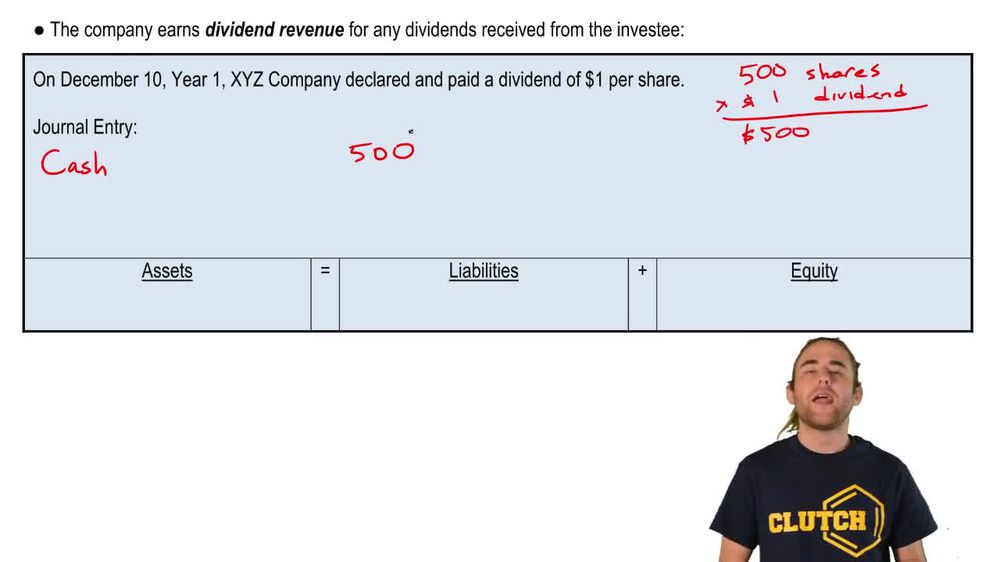
Dividend Revenue for Trading Securities
591
views
10
rank
Guided course
03:46
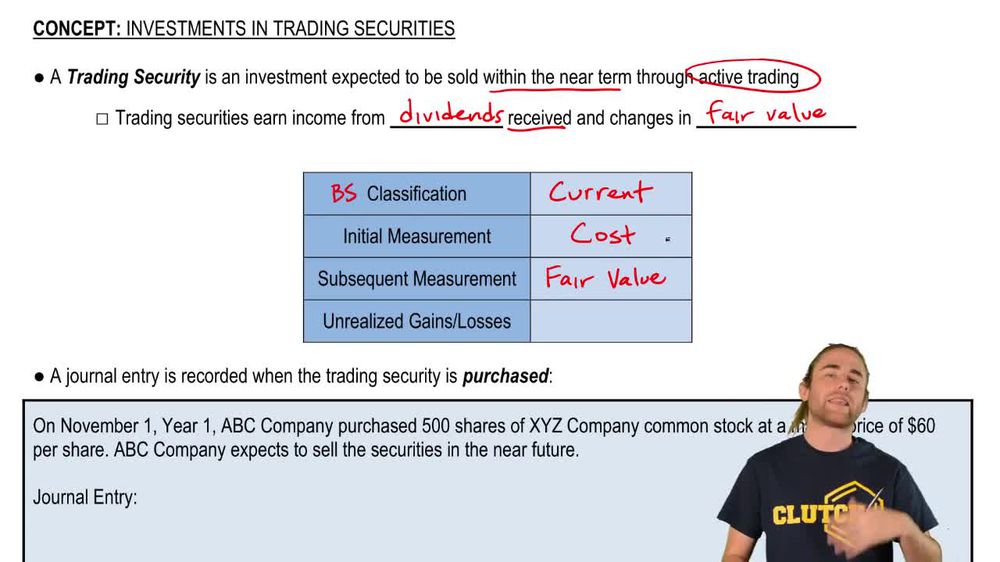
Purchasing Trading Securities
802
views
5
rank
Terms in this set (15)
Hide definitions
Trading Securities
Short-term investments classified as current assets, intended for active buying and selling to profit from price changes.
Fair Value
Current market price at which an asset could be bought or sold, used for subsequent measurement of investments.
Unrealized Gain
Increase in investment value not yet sold, reported on the income statement and affecting equity.
Unrealized Loss
Decrease in investment value not yet sold, shown on the income statement and reducing equity.
Realized Gain
Profit recognized when an investment is sold for more than its book value at last revaluation.
Realized Loss
Loss recognized when an investment is sold for less than its book value at last revaluation.
Dividend Revenue
Income received from holding shares, classified as non-operating and reported separately on the income statement.
Current Asset
Resource expected to be converted to cash or used within one year, including trading securities.
Income Statement
Financial report where unrealized and realized gains or losses from trading securities are presented.
Journal Entry
Accounting record documenting transactions such as purchases, sales, and value adjustments of investments.
Book Value
Carrying amount of an investment on the balance sheet after adjustments for fair value changes.
Non-Operating Income
Earnings from activities outside a company's main business, such as dividend revenue and investment gains.
Revaluation
Process of updating the recorded value of an investment to reflect current fair value at reporting dates.
Equity
Owner's residual interest in assets, increased by gains and decreased by losses from trading securities.
T Account
Visual tool used to track increases and decreases in accounts like investments and unrealized gains or losses.
 BackBack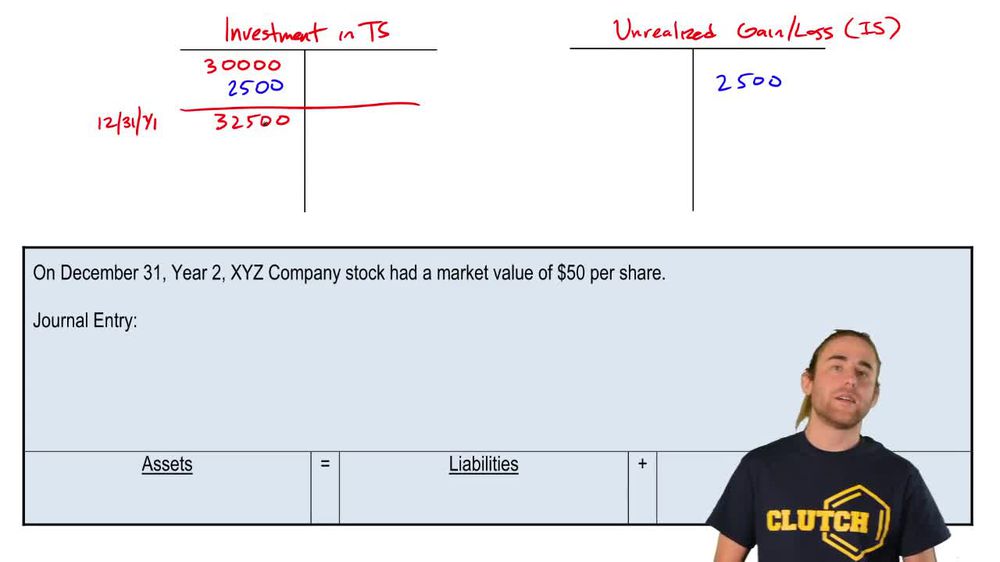
 06:22
06:22