Ch. 1 - A Brief History of Microbiology
Chapter 1, Problem 26.4a

Potable water is allowed to have ________coliforms per 100 ml of water tested.

Verified step by step guidance
1
Understand that coliforms are a group of bacteria commonly used as an indicator of sanitary quality of foods and water.
Recognize that potable water refers to water that is safe to drink or to use for food preparation.
Identify that the presence of coliforms in water indicates potential contamination by fecal material and the possible presence of harmful pathogens.
Research the guidelines set by health organizations such as the Environmental Protection Agency (EPA) or the World Health Organization (WHO) for the acceptable levels of coliforms in potable water.
Note that these guidelines typically specify that potable water should have zero coliforms per 100 ml of water tested, indicating it is free from contamination.

Verified video answer for a similar problem:

This video solution was recommended by our tutors as helpful for the problem above.
Video duration:
1m
Was this helpful?

Key Concepts

Here are the essential concepts you must grasp in order to answer the question correctly.

Coliform Bacteria

Coliforms are a group of bacteria commonly found in the environment, including in soil, vegetation, and the intestines of warm-blooded animals. They are used as indicators of water quality, particularly the potential presence of harmful pathogens. The presence of coliforms in water suggests possible contamination and the need for further testing.
Recommended video:
Guided course
06:18
Introduction to Bacteria

Potable Water Standards

Potable water refers to water that is safe for human consumption. Regulatory agencies, such as the Environmental Protection Agency (EPA) in the United States, set standards for the maximum allowable levels of contaminants, including coliform bacteria, in drinking water. These standards are crucial for public health and safety.
Recommended video:
Guided course
01:29
Introduction to Water

Testing Methods for Water Quality

Testing for coliforms in water typically involves microbiological methods, such as the Most Probable Number (MPN) technique or membrane filtration. These methods help determine the concentration of coliforms in a water sample, guiding decisions about its safety for drinking. Accurate testing is essential for monitoring water quality and ensuring compliance with health regulations.
Recommended video:
Guided course
06:59
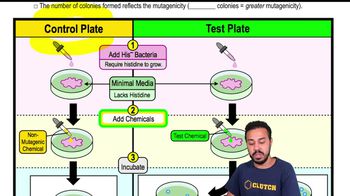
The Ames Test