Improving employee engagement: The crucial role of language learning in business

Samantha Ball
Samantha Ball
A business woman and man sat at a long table discussing with eachother
Reading time: 8 minutes

The ways we approach employee engagement are rapidly evolving and changing. For HR professionals and global business leaders, understanding these trends is essential to encourage a motivated, productive, and loyal workforce. A key yet often overlooked aspect of this engagement is the role of language learning and cultural understanding. Failure to adapt to the international market doesn’t just hinder growth—it can lead to significant financial losses.

This blog post will delve into current employee engagement trends, provide suggestions for improvement, and talk about the importance of language learning and company culture in fostering a thriving global workforce through an effective employee engagement strategy.

How can language learning help employee engagement?
Play
Privacy and cookies

By watching, you agree Pearson can share your viewership data for marketing and analytics for one year, revocable by deleting your cookies.

Employee engagement trends: A snapshot

Declining engagement levels

Recent research reveals that only 33% of employees in the US are actively engaged at work, while in 2023, 50% of employees were not engaged (quiet quitting). “Quietly quitting”—a term used to describe psychological disengagement from work. This issue is costly, with Gallup estimating an annual global economic impact of around $8.8 trillion.

The rise of learning and development (L&D)

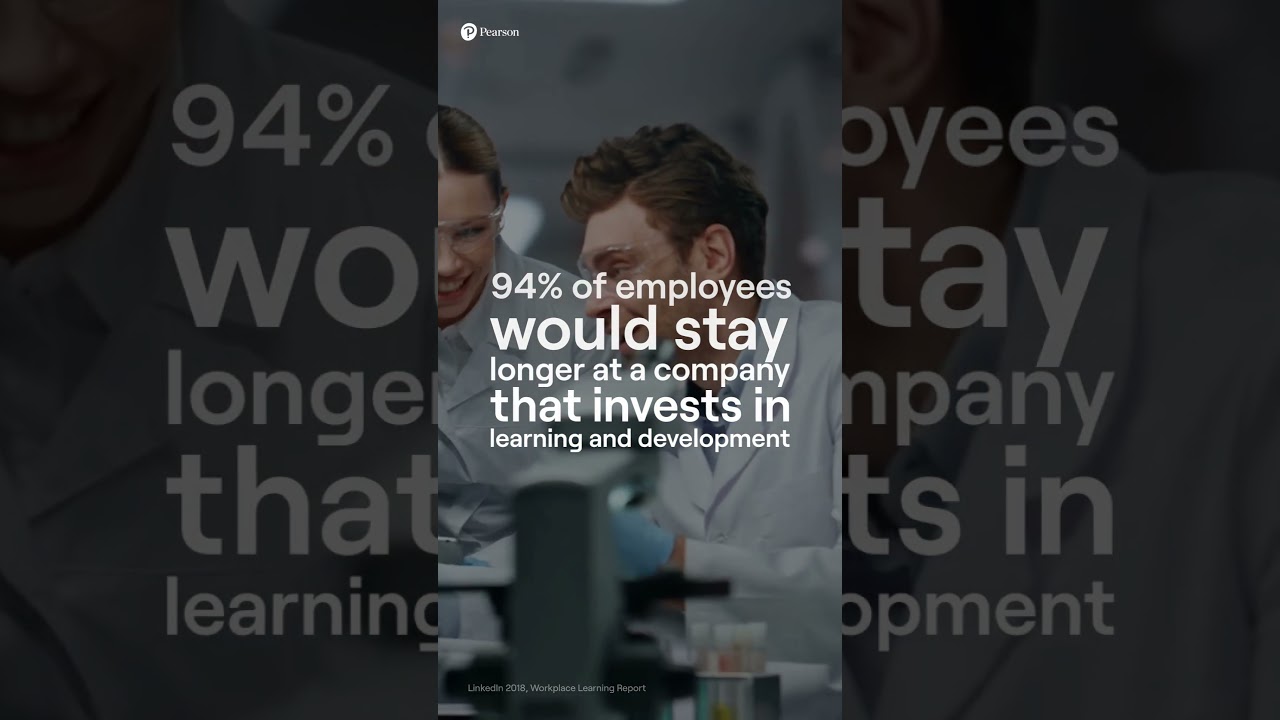
Despite these alarming engagement statistics, there is a silver lining: 94% of employees state they would stay longer at a company that invests in their learning and development (L&D). This indicates a pivotal opportunity for businesses to enhance engagement through targeted L&D initiatives, which can help cultivate an engaged employee.

These initiatives can include comprehensive training and development programs, language training, professional development opportunities, and continuous learning opportunities.

The impact of language barriers

Language barriers are a significant impediment to effective communication in the workplace. Miscommunication costs businesses an average of $62.4 million annually, illustrating the critical need for robust language training programs. According to our research, only one in three companies currently provides language upskilling, despite 88% of employees acknowledging its importance.

What are some employee engagement strategies used to motivate employees?

Foster a culture of recognition 

Recognizing and rewarding employees for their contributions can significantly boost morale and employee motivation too. Implementing a robust employee recognition program that includes both formal awards and informal acknowledgments can help employees feel valued and appreciated.

Enhance internal communication 

Effective communication is a cornerstone of any employee engagement program. Regular updates from leadership, open forums for feedback, and transparent communication channels can foster a sense of inclusion and trust within the organization.

Develop clear career pathways 

Employees are more likely to stay engaged when they see a clear pathway to career advancement. Regular performance reviews, employee feedback, setting achievable goals, and providing opportunities for promotion can help keep employees motivated and focused on their long-term career aspirations.

Invest in comprehensive L&D programs

Given the strong correlation between L&D and employee retention, companies should prioritize comprehensive training programs that include effective employee engagement strategies addressing both technical skills and soft skills. Incorporating language learning into these programs can significantly enhance employee satisfaction and improve engagement, as shown by our Pearson success stories.

Implement flexible learning solutions to encourage employees

With busy workloads, employees often struggle to find time for learning. Mondly by Pearson offers flexible online language learning solutions that allow employees to study at their own pace, fitting lessons around their schedules. Employers can track progress via a central dashboard, ensuring that learning objectives are met without disrupting daily operations. Flexible learning solutions like these can also boost engagement by allowing employees to learn at their own pace and on their own schedule.

Use technology for enhanced engagement

Incorporating technology like VR, AR and AI can enhance employee engagement through immersive training experiences, personalized learning, and real-time feedback.

Measure and analyze engagement metrics

To enhance your employee engagement programs effectively, it is crucial to regularly measure and analyze engagement metrics. Utilizing advanced employee engagement software can provide valuable insights into areas such as employee satisfaction, communication efficacy, and training program effectiveness. By continuously monitoring these metrics, businesses can identify trends, detect issues early, and adjust employee development strategies accordingly, ensuring that employee engagement initiatives are always aligned with the evolving needs of the workforce.

Prioritise employee wellbeing

Employee well-being should be at the heart of engagement strategies. Promoting a healthy work-life balance, providing mental health support, and creating a supportive work environment are essential components.

Companies that prioritize wellbeing are likely to see higher engagement levels, as employees feel valued and cared for. Initiatives such as wellness programs, flexible working hours, and access to mental health resources and counseling services can significantly contribute to a more engaged and productive workforce.

Comprehensive wellness programs that address physical, mental, and emotional health can significantly impact employee engagement. This can include fitness challenges, counseling services, and wellness workshops.

A multi-faceted approach for engaged employees

Employee engagement is multifaceted and requires a strategic approach that encompasses learning and development, cultural understanding, language training, and leveraging technology. By investing in these areas, businesses can cultivate a motivated, skilled, and loyal workforce positioned to thrive in a globalized economy.

Emphasizing inclusivity, flexibility, technological integration, and wellbeing can drive meaningful employee engagement efforts and ultimately lead to sustained business success.

The impact of ignoring employee engagement on the international stage

Ignoring the international market and failing to address language barriers can have dire financial consequences. According to SHRM, poor communication can cause an average loss per company of $62.4 million.

Moreover, recruiting staff with formal English qualifications only to discover they cannot effectively communicate in English once hired leads to frustration and inefficiencies. Addressing language barriers can help engage employees by improving communication and collaboration across the entire organization too.

Addressing language learning in a globalized workplace

Effective communication between teams spread across different countries and cultures is crucial to business success. When employees possess strong language skills, they’re better equipped to navigate complex, multilingual environments, leading to improved collaboration and productivity. Consequently, investing in language training programs is not just a strategic move to enhance an individual employee's skill sets but an essential step toward fostering a cohesive, well-integrated and engaged workforce.

Language learning: Boosting engagement and productivity

The benefits of language learning extend beyond mere communication. Employees who receive language training report higher levels of engagement and job satisfaction. Language learning can lead to motivated employees who are more engaged and productive in their roles. Mondly by Pearson’s flexible language learning solutions are designed to meet the specific needs of businesses, providing enhanced business-centric content to improve workplace skills and confidence.

Building soft skills

Soft skills are becoming increasingly important for employees. With AI being used more in the workplace, soft skills that AI can’t replace are being sought after more. Soft skills such as critical thinking, collaboration, and emotional intelligence are all key to building an engaged team.

Language learning can help develop these soft skills by providing opportunities for employees to work together on language exercises, practice speaking and listening, and collaborate in a new language. This not only improves their language proficiency but also boosts their soft skills, making them more valuable assets to the company.

The strategic advantage of language learning

We’ve discussed the advantages of learning a new language for your business before but to reiterate, investing in language learning is a strategic enabler for international business. It allows companies to:

  • Increase employee engagement: Providing language learning opportunities can improve employee engagement by equipping employees with the skills they need to succeed in a global market.
  • Recruit top talent: Language training broadens the talent pool, allowing businesses to attract and retain employees who might otherwise be overlooked due to language barriers.
  • Engage in the global economy: Proficiency in multiple languages enables businesses to engage more effectively with global markets, enhancing competitiveness.
  • Enhance customer service: Prioritizing language learning can significantly improve customer service and overall operational efficiency.

The path forward for employee engagement initiatives

Understanding and adapting to employee engagement trends is essential for HR professionals and global business leaders. Investing in language learning and cultural understanding not only mitigates the cost of miscommunication but also the workplace culture that drives employee engagement, satisfaction, and productivity. Engaged employees are more satisfied, productive, and motivated, contributing significantly to overall organizational success.

Elevate your workplace with Pearson

Take the first step towards a more engaged, skilled, and motivated workforce. Explore Mondly by Pearson for your workforce to help them develop their language skills further. 

Contact us today to learn how Versant by Pearson and our workplace solutions can help your organization achieve its goals. Empower your team, boost employee engagement, enhance communication, and unlock unparalleled growth potential. Don't wait—act now and lead your business to success.

More blogs from Pearson

  • Teenage students looking at a phone together outside
    Six easy ways to learn English
    By Steffanie Zazulak
    Reading time: 3 minutes

    Learning English can open doors to better career opportunities, travel experiences and global communication. However, staying motivated while learning a new language can sometimes be challenging. The good news is that there are many easy ways to learn English that fit into your daily routine.

    Whether you're a beginner or looking to improve your fluency, these practical English learning tips will help you build confidence and develop your speaking, listening, reading and vocabulary skills faster.

    1. Play word games to build your English vocabulary

    One of the most enjoyable ways to learn English is through word games. Games like Scrabble, Words With Friends, crossword puzzles and word search apps can help you expand your English vocabulary while having fun.

    Word games encourage you to think in English, recognize spelling patterns and learn new words naturally. If you're studying with friends or classmates, make it a regular activity to practice together and challenge each other's vocabulary skills.

    Benefits:

    • Improves vocabulary retention
    • Enhances spelling skills
    • Makes learning English enjoyable
  • A teacher working on a interactive whiteboard and students raising their hands
    Universal Design for Learning (UDL) in language education
    By Charlotte Guest
    Reading time: 5 minutes

    Language classrooms are naturally diverse. Some students are confident speakers but struggle with writing. Others may be multilingual learners, students with learning differences or learners who simply need more time and support. Universal Design for Learning (UDL) offers a practical framework for meeting these varied needs without creating separate lessons for every student.

    UDL was developed by CAST, a nonprofit organization focused on education research and development, and is based on the idea that barriers to learning often exist in the design of instruction rather than in the learners themselves. Instead of expecting all students to learn in the same way, UDL encourages teachers to provide flexible pathways that help everyone access and engage with learning. According to CAST's overview of UDL , UDL aims to improve learning for all students through flexible goals, methods, materials and assessments.

    The three core principles of UDL

    At the heart of UDL are three principles that help teachers design more inclusive learning experiences.

    1. Multiple means of engagement

    This principle focuses on motivation and participation. Students are more likely to learn when they see value in what they are doing and have some choice in how they learn.

    In a language classroom, this might include:

    • Allowing students to choose discussion topics related to their interests
    • Using authentic materials such as podcasts, songs, news articles or social media posts
    • Offering different levels of challenge within the same activity

    When students feel connected to the content, they are more willing to take risks and use the target language. The CAST UDL Guidelines provide detailed recommendations for increasing learner engagement and motivation.

    2. Multiple means of representation

    Students do not all process information in the same way. UDL encourages teachers to present information through different formats so that learners have several ways to understand new content.

    For language teachers, this could mean:

    • Combining written text with audio recordings
    • Using images, diagrams, gestures and videos to support comprehension
    • Pre-teaching key vocabulary before introducing a complex reading task
    • Providing transcripts for listening activities

    These supports are not only beneficial for students with identified learning needs; they often improve comprehension for the entire class. CAST's guidance on representation highlights how varied formats can support learner understanding.

    3. Multiple means of action and expression

    Students should have different opportunities to demonstrate what they know. Traditional language assessments often favor a narrow set of skills, but learners may show understanding in many ways.

    Examples include:

    • Recording an oral presentation instead of delivering it live.
    • Creating a video, podcast or digital story.
    • Participating in an interview or conversation.
    • Producing written work using supportive technologies.

    The learning objective remains the same, but students have more than one way to demonstrate achievement. The educational resource Understood.org explains this principle in its guide to UDL.

    Why UDL matters in language education

    Language learning involves reading, writing, listening, speaking, vocabulary development and cultural understanding. Because so many skills are involved, barriers can emerge in different places for different learners. UDL helps teachers anticipate these differences and design lessons that provide access from the start rather than adding accommodations later.

    Research from CAST suggests that designing for learner variability benefits all students, not just those with identified educational needs. This is particularly relevant in language classrooms, where students often have diverse linguistic backgrounds, proficiency levels and learning preferences.

    Importantly, UDL is not about creating separate lessons for every learner. Instead, it is about building flexibility into lesson design so that a wider range of students can participate successfully.

    UDL strategies for language teachers

    If you are new to UDL, start small. Consider adding one or two flexible options to your existing lessons.

    Here are a few simple ideas:

    • Provide both written and spoken instructions.
    • Use captions on videos whenever possible.
    • Offer vocabulary lists with visuals and examples.
    • Allow students to choose between speaking or writing for some tasks.
    • Include collaborative and independent learning opportunities.
    • Use digital tools that support translation, text-to-speech or speech-to-text functions.
    • Clearly communicate learning goals before each lesson.

    For additional classroom examples, CAST's UDL Guidelines website contains guidance that teachers can adapt across different age groups and language-learning contexts.

  • Friends stood by a camper van with food by the sea socialising
    How to maintain language skills over summer break
    By Charlotte Guest
    Reading time: 3 minutes

    Summer break is a welcome chance to relax, but it can also be a challenging time for students. Without regular classes over the summer, many students notice that their vocabulary, grammar and speaking confidence begin to fade: this is often called the "summer slide".. The good news is that maintaining language skills over summer break does not require hours of study each day. Small, consistent habits can help you retain what you have learned and return to your studies with confidence.

    Why language learners forget so much during summer break

    When we stop using a language regularly, our brains begin to forget information that is not being reinforced. Vocabulary becomes harder to recall, grammar rules feel less familiar and speaking confidence can decrease.

    Fortunately, language retention does not require intensive study. The key is maintaining regular contact with the language, even for just a few minutes a day.