Dance your way to fluent language learning and enhanced wellbeing

Charlotte Guest
A woman with headphones dancing in her living room
Reading time: 5 minutes

Language learning can often feel daunting, with its endless vocabulary lists, grammatical structures and pronunciation rules. However, incorporating dance and movement into your study routine can transform this challenge into an engaging, enjoyable experience while significantly benefiting your overall wellbeing. This unusual approach is not only effective for language learners of all ages but also enriches the learning process with fun and physical activity.

Engaging in movement and dance can substantially impact mental health, as evidenced by various studies and academic research. For instance, a notable study published in the American Journal of Dance Therapy highlighted that dance, particularly in structured environments, can reduce anxiety and improve mood among participants. This connection between dance and mental health improvement can be attributed to the release of endorphins, often referred to as happiness hormones, which occur during physical activity.

How can dance help your language learning?
播放
隱私和Cookies

觀看此視頻表示你同意培生可於一年內使用你觀看的數據以作分析及營銷之用。你可以通過清除cookies撤銷設定。

The connection between movement and language learning

The link between physical movement and language learning is deeply rooted in cognitive science. Research suggests that our cognitive processes are intertwined with our bodily systems, meaning that physical activities, such as dance, can enhance memory, comprehension and expression. This concept, known as 'embodied cognition', highlights how movement can serve as a powerful tool in internalizing new language concepts and vocabulary.

Here's how dance facilitates language learning:

  • Memorization enhancement: Associating vocabulary or phrases with specific movements can improve recall abilities. For example, performing a specific dance move when practicing a new word can create a mnemonic device, making the term easier to remember.
  • Increased engagement and concentration: Movement breaks up the monotony of traditional study methods, keeping the mind engaged and focused. This is particularly beneficial during longer study sessions, where concentration may start to wane.
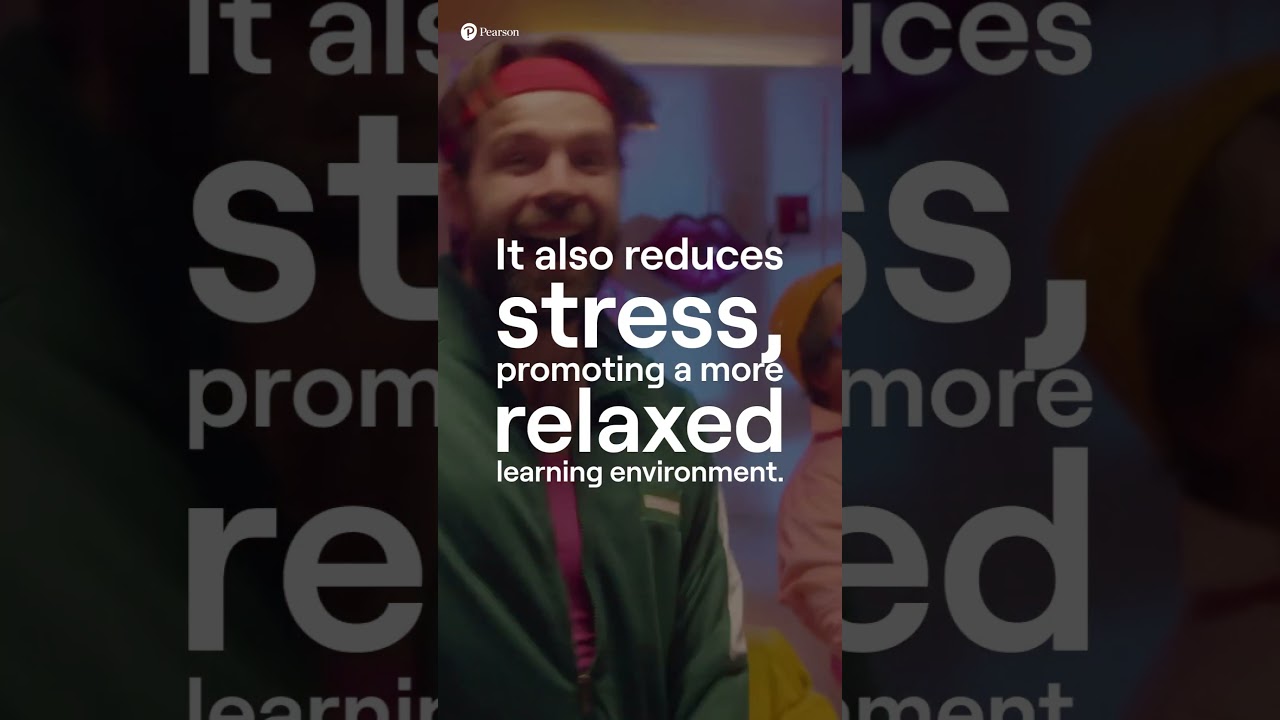
  • Stress reduction: Dance is a well-known stress reliever. Lowering stress levels not only improves mental health but also creates a more conducive environment for language acquisition, as anxiety can be a significant barrier to effective learning.
  • Improved pronunciation through rhythm practice: Many languages have a unique rhythm and cadence. Engaging in dance can tune your ear to these rhythmic patterns, aiding in the understanding and reproduction of authentic pronunciation.

Ways to incorporate dance and language

Start simple

You don't need complex choreography to get started. Begin with simple movements that you can associate with the new language. This could be as straightforward as moving your hands up for high-tone languages like Mandarin or swaying to the rhythm of a Spanish guitar as you practice phrases.

Create a themed playlist

Music is a powerful companion to dance. Create a playlist of songs in the language you’re learning and try to move intuitively to the rhythm. This will not only help with learning new words and phrases but will also immerse you in the culture of the language.

Join a class

If possible, join a dance class that focuses on the culture of the language you're learning. Salsa, Bollywood, or even traditional Japanese dance can provide insights into the culture, which is a crucial part of mastering a language.

Practical activity examples

Merging language learning with dance isn't just effective; it's also incredibly fun. Here are some activity ideas to get you started on this harmonious path of acquiring a new language and enhancing your well-being through dance.

Spanish & Flamenco

  • Activity: After learning basic Spanish greetings and expressions, put on a Flamenco music playlist. Attempt to express these greetings and expressions rhythmically with Flamenco hand claps (palmas) or footwork. This can help solidify the language's rhythm and intonation in your memory.

French & Ballet

  • Activity: Ballet terminology is predominantly in French, which presents a unique opportunity to learn the language. Pick a few basic ballet positions or movements, such as "plié" (to bend) or "pirouette" (to spin), and practice saying them out loud while performing the steps. This can deepen your understanding of French pronunciation and terms.

Japanese & Bon Odori

  • Activity: Bon Odori is a traditional Japanese dance performed during the Obon Festival. Begin by learning simple phrases in Japanese related to greetings, farewells and thanks. Then, engage in learning the Bon Odori dance through online tutorials. Associate each dance movement with the phrases you've learned, enhancing both your linguistic and cultural comprehension.

Hindi & Bollywood

  • Activity: Bollywood dances are vibrant and full of expression, making them perfect for language learning. Start by learning key Hindi phrases and vocabulary related to emotions and actions. Watch a Bollywood dance video, focusing on songs with clear, easy lyrics. Try to dance along while singing the lyrics, connecting the words’ meanings with your movements.

Italian & Tarantella

  • Activity: The Tarantella is a fast-paced Italian folk dance. For this activity, choose an energetic Tarantella song and learn simple conversational Italian phrases or food vocabulary. As you practice the dance, say the phrases out loud with each step. Not only will this improve your memory recall, but it will also give you a feel for the Italian linguistic rhythm and culture.

Each of these activities combines the cognitive benefits of language learning with the physical and emotional joys of dance, creating a holistic approach to new language acquisition and overall wellness.

Extra benefits

Apart from language acquisition, integrating dance into your routine can have profound effects on your physical and mental health.

  • Physical fitness: Regular movement improves cardiovascular health, strength and flexibility.
  • Mental health: Dance reduces symptoms of anxiety and depression, creating a happier and healthier mindset.
  • Social connections: Sharing dance experiences with others can lead to meaningful social connections, reducing feelings of isolation and promoting a sense of community.

Integrating dance and movement into language learning is beneficial for acquiring new languages and promotes a holistic approach to health and wellbeing. It's a fun and effective strategy that can break the monotony of traditional learning methods, providing a refreshing path to fluency and beyond. Whether practiced alone or in a group, through music, rhythm and culture, dance can enhance your language learning experience significantly.

More blogs from Pearson

  • A group of teenage students having a classroom discussion
    5 Strategies for teaching mixed-ability secondary students
    提交者 Anna Roslaniec
    Reading time: 5 minutes

    No two teenagers are exactly alike. In every secondary classroom, you'll find a wide range of English proficiency levels, learning styles, motivation and personalities. This diversity brings both challenges and opportunities, especially when teaching mixed-ability classes. By adapting your teaching strategies, you can ensure that all students experience success and remain engaged in their language learning journey.

    Here are five practical strategies for teaching mixed-ability secondary students.

  • An older couple, one giving the other a bouquet of roses.
    Valentine's-themed English words and their origins
    提交者 Charlotte Guest
    Reading time: 3 minutes

    Valentine’s Day is a time to share kind words, sweet messages and warm feelings. If you are learning English, this is also a great time to learn new love-related words. Many of these words have interesting histories. Some come from Old English, others arrived from Latin or French. When you know where a word comes from, it can be easier to remember and use it.

    This post gives you a simple list of common Valentine words and their origins, plus a few with unusual stories. Read the short explanations, say the words out loud and try a few example sentences.

    Core Valentine and love words

    Valentine

    From Latin "Valentinus", based on "valens", meaning “strong” or “healthy.” The day is named after Saint Valentine. A “valentine” can be the card you send or the person you love.

    Love

    One of the oldest English words. In Old English, it was "lufu". It is related to German "Liebe" and Dutch "liefde". It has always meant strong feeling and care.

    Heart

    From Old English "heorte". The heart is a symbol of emotion. The heart shape in art comes from medieval ideas about feeling, not the real organ’s shape.

    Romance

    From Old French "romans". It first meant stories in Romance languages (from Latin). Later, it became linked with love stories and strong feelings.

    Cupid

    From Latin Cupido, meaning “desire.” In Roman myth, Cupid is the god who makes people fall in love with his arrows. Today, he is a friendly symbol on cards.

    Terms of affection and relationships

    Sweetheart

    Made from two old words: "sweet" + "heart". It appeared in Middle English from Old English roots. English often creates new ideas by joining simple words.

    Darling

    From Old English "deorling", meaning “dear little one” or “beloved.” Today, it is a soft, caring way to speak to someone you love.

    Beau

    From French "beau", meaning “handsome.” In English, a beau is a boyfriend or a male admirer, often in an older or formal style. It is pronounced “boh”. Plural: beaux or beaus.

    Fiancé/fiancée

    From French. Traditionally, "fiancé" is male and "fiancée" is female, but many people now use fiancé for anyone engaged to marry. The accent marks show the French origin.

    Paramour

    From Old French "par amour", “through love.” In English, a paramour is a lover, often secret. It shows how words can carry both romance and mystery.

    Dating and romantic behavior

    Date

    In the 19th century, American English started using "date" for a social meeting. The idea comes from marking a day on a calendar. To date means to spend romantic time together.

    Adore

    From Latin "adorare", through French. To adore means to love deeply and to respect. You can adore a person or a song.

    Smitten

    From the verb "smite", Old English smitan, “to strike.” If you are smitten, love has “struck” you. This is a strong, playful way to say you fell in love.

    Flirt

    Probably from a word meaning “to flick” or “to move quickly.” Over time, it came to mean playful romantic behavior. The exact origin is not certain, which makes it an interesting mystery word.

    Tryst

    A Scots word for a fixed meeting or appointment. Today, a tryst is a secret or private romantic meeting. It keeps the feeling of “an agreed time to meet.”

    Serenade

    From Italian "serenata", “an evening song,” from a word meaning “calm, clear.” To serenade is to sing or play music to someone you love, often at night.

    Gifts, beauty and attraction

    Bouquet

    Another French word, meaning “a bunch of flowers.” A bouquet of roses is a classic Valentine’s gift. You can also use a bouquet for birthdays and celebrations.

    Glamour

    From a Scottish form of "grammar". Long ago, grammar also meant learning and sometimes “magic.” Glamour became the word for a special, almost magical beauty or charm.

    Chivalry

    From Old French "chevalerie", related to cheval, “horse.” It first meant the way of knights on horseback. Later, it became the idea of polite, noble behavior, especially toward others in romance.

    Marriage and commitment

    Wedding, bride, and (bride)groom

    Wedding comes from Old English "weddian", “to pledge.” Bride is from Old English bryd. Groom, in bridegroom, was once "guma", an old word for “man.” Over time, it changed to the familiar groom.

    Troth and betrothed

    Troth comes from Old English "treowth", meaning “truth,” “faith,” or “loyal promise.” To “plight one’s troth” means “to promise to marry.” Betrothed means “engaged to marry,” from be- + troth.

    Honeymoon

    "Sweet" + "moon". "Honey" suggests the sweet time after the wedding, and "moon" suggests a month. Long ago, some couples drank honey wine (mead) in the first month of marriage. Today, a honeymoon is the trip after the wedding.

    Now you know some new Valentine’s words and where they come from. Use them to share feelings, write messages, and enjoy the season. Make sure to practice: put each word into a simple sentence and practice saying it aloud. You can also make small flashcards and review them for a few minutes each day.


  • Two business people standing together drawing on a notepad
    From first chat to offer letter: how PTE English simplifies admissions for international students
    提交者 Alice Bazzi
    Reading time: 2 minutes

    Every step in the admissions process matters. For students, the journey from initial counselling to receiving an offer letter can feel overwhelming. For agents, delays and complications can often lead to missed deadlines and opportunities lost. The good news? PTE Express has recently been introduced and is designed to remove friction at every stage, making the process faster, simpler and more reliable for everyone involved.

    What slows down admissions success?

    Traditional English testing often introduces unnecessary friction. Students may have to travel to test centers, wait weeks for results or navigate complex booking systems. These delays create stress and a level of uncertainty, especially with international studies as there will be strict timelines. Agents know that every day counts; when scores do not arrive on time, applications stall, and the risk of students losing their place increases.