Uncompensated respiratory acidosis is a condition where the blood becomes more acidic due to an increase in carbon dioxide (CO2) from inadequate ventilation, and the body has not yet compensated for this imbalance through metabolic mechanisms.
How does hyperventilation affect blood pH?
Hyperventilation decreases the concentration of carbon dioxide in the blood, which reduces hydrogen ion concentration and increases blood pH, making it more alkaline.
What is the normal pH range of blood?
The normal pH range of blood is typically around 7.35 to 7.45.
What leads to respiratory acidosis?
Respiratory acidosis is caused by hypoventilation or inadequate removal of carbon dioxide from the body, leading to increased CO2 and hydrogen ion concentration in the blood.
What is the typical pH of blood in a healthy individual?
The typical pH of blood in a healthy individual is about 7.4.
What causes respiratory alkalosis?
Respiratory alkalosis is caused by hyperventilation, which leads to excessive loss of carbon dioxide and a decrease in hydrogen ion concentration, raising blood pH.
What is respiratory alkalosis?
Respiratory alkalosis is a condition where the blood becomes more alkaline due to excessive loss of carbon dioxide from the lungs, usually as a result of hyperventilation.
How does urinary alkalinization affect the renal elimination of substances?
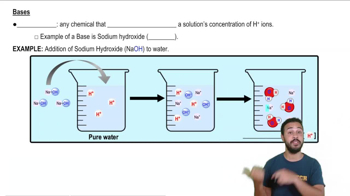
Urinary alkalinization increases the renal elimination of acidic substances by making the urine more basic, which enhances the excretion of acids.
How does carbonic acid help maintain blood pH?
Carbonic acid helps maintain blood pH by acting as a buffer, balancing the concentration of hydrogen ions in the blood and preventing significant changes in pH.
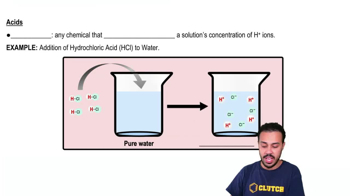
What happens to hydrochloric acid (HCl) when it is added to water?
Hydrochloric acid dissociates into hydrogen ions (H+) and chloride ions (Cl-) when added to water. This increases the concentration of hydrogen ions in the solution.