Introduction to Cellular Respiration definitions Flashcards
Introduction to Cellular Respiration definitions
You can tap to flip the card.
Control buttons has been changed to "navigation" mode.
1/15
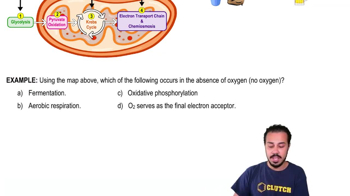
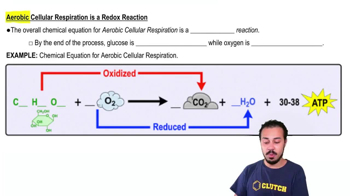
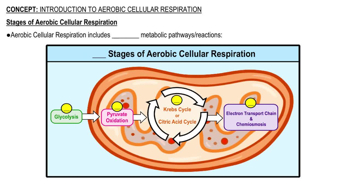
Aerobic Cellular RespirationA process that breaks down glucose in the presence of oxygen to produce ATP, primarily occurring in the mitochondria.ATPThe main energy source for cells, produced in large amounts during aerobic cellular respiration.MitochondriaThe organelle where most stages of aerobic cellular respiration occur, producing ATP.GlucoseA monosaccharide sugar that is oxidized during aerobic cellular respiration to produce ATP.OxygenThe final electron acceptor in aerobic cellular respiration, reduced to form water.Redox ReactionA chemical reaction involving the transfer of electrons, as seen in aerobic cellular respiration.GlycolysisThe first stage of aerobic cellular respiration, occurring in the cytoplasm, breaking down glucose.Pyruvate OxidationThe second stage of aerobic cellular respiration, converting pyruvate into acetyl-CoA in the mitochondria.Krebs CycleAlso known as the citric acid cycle, it's the third stage of aerobic cellular respiration, producing electron carriers.Electron Transport ChainThe fourth stage of aerobic cellular respiration, where electrons are transferred to produce ATP.ChemiosmosisA process in the electron transport chain where ATP is synthesized using a proton gradient.Substrate Level PhosphorylationA method of ATP production during glycolysis and the Krebs cycle.Oxidative PhosphorylationATP production method in the electron transport chain using oxygen as the final electron acceptor.FermentationAn anaerobic process that allows glycolysis to continue by regenerating NAD+, producing lactic acid or alcohol.Carbon DioxideA byproduct of aerobic cellular respiration, produced when glucose is oxidized.