Renal Physiology: Regulation of Glomerular Filtration definitions Flashcards
Renal Physiology: Regulation of Glomerular Filtration definitions
You can tap to flip the card.
Control buttons has been changed to "navigation" mode.
1/15
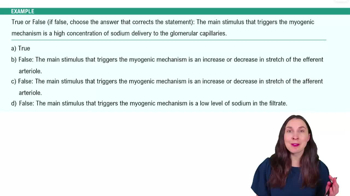
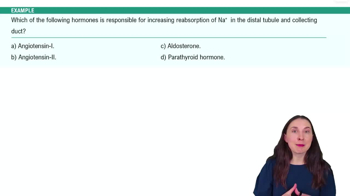
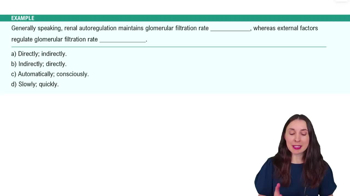
Glomerular Filtration RateThe rate at which the kidneys filter blood, influenced by blood pressure and arteriole diameter.Renal AutoregulationKidneys' intrinsic ability to maintain a stable glomerular filtration rate despite changes in blood pressure.Myogenic MechanismA process where vascular smooth muscle responds to blood pressure changes by contracting or relaxing.Tubuloglomerular FeedbackA mechanism where macula densa cells adjust arteriole diameter based on sodium chloride levels.Macula DensaCells in the renal tubule that detect sodium chloride concentration and influence arteriole constriction.Afferent ArterioleThe blood vessel that supplies blood to the glomerulus, affecting filtration rate through its diameter.Efferent ArterioleThe blood vessel that carries blood away from the glomerulus, influencing filtration pressure.VasoconstrictionThe narrowing of blood vessels, which decreases blood flow and filtration rate.VasodilationThe widening of blood vessels, which increases blood flow and filtration rate.ReninAn enzyme released by the kidneys that initiates the renin-angiotensin-aldosterone system.Angiotensin IIA hormone that increases blood pressure by vasoconstriction and promoting sodium reabsorption.AldosteroneA hormone that increases sodium reabsorption in the distal tubule and collecting duct, raising blood volume.Sympathetic Nervous SystemPart of the autonomic nervous system that can decrease glomerular filtration rate during stress.Filtration PressureThe pressure driving fluid through the glomerulus, influenced by arteriole diameter.Electrolyte ImbalanceA disruption in the balance of minerals in the body, affecting blood pressure and filtration rate.