What is Anatomy & Physiology? definitions Flashcards

What is Anatomy & Physiology? definitions
30 students found this helpful
Control buttons has been changed to "navigation" mode.
1/15
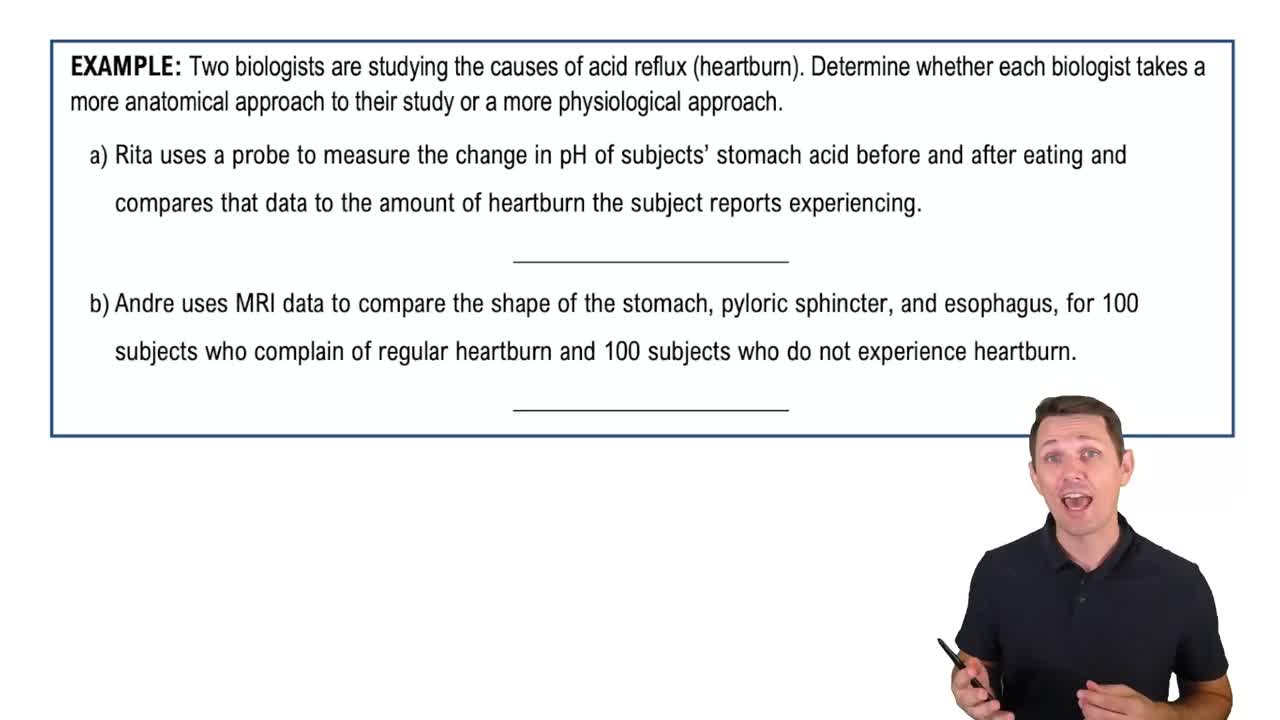
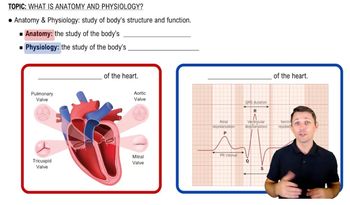
  • Anatomy
    The study of the body's structure, including the shape, location, and composition of body parts.
  • Physiology
    The study of the body's function, focusing on how body parts work and respond to various stimuli.
  • Heart
    An organ that pumps blood throughout the body, with its structure and function being key topics in anatomy and physiology.
  • Electrocardiogram
    A graph showing the heart's electrical activity over time, used to study its function.
  • Chambers
    Internal compartments of the heart that receive and pump blood.
  • Blood Vessels
    Tubes that carry blood throughout the body, connecting to the heart.
  • Valves
    Structures in the heart that control blood flow direction and prevent backflow.
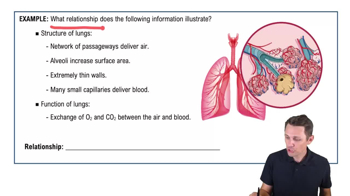
  • Principle of Complementarity
    The concept that anatomy and physiology are interdependent, with structure determining function and vice versa.
  • Structure-Function Relationship
    The idea that an organ's structure is designed to perform its specific function.
  • EKG
    Another term for electrocardiogram, a tool for measuring the heart's electrical activity.
  • ECG
    Another term for electrocardiogram, used interchangeably with EKG.
  • Organ
    A part of the body with a specific function, made up of different tissues.
  • Function
    The specific job or role that a body part performs.
  • Structure
    The physical makeup of a body part, including its shape, size, and location.
  • Body
    The entire physical structure of a human or animal, studied in anatomy and physiology.