 Back
BackAnatomy & Physiology Basics
 3:06
3:06
Terms in this set (20)
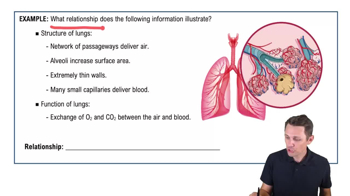
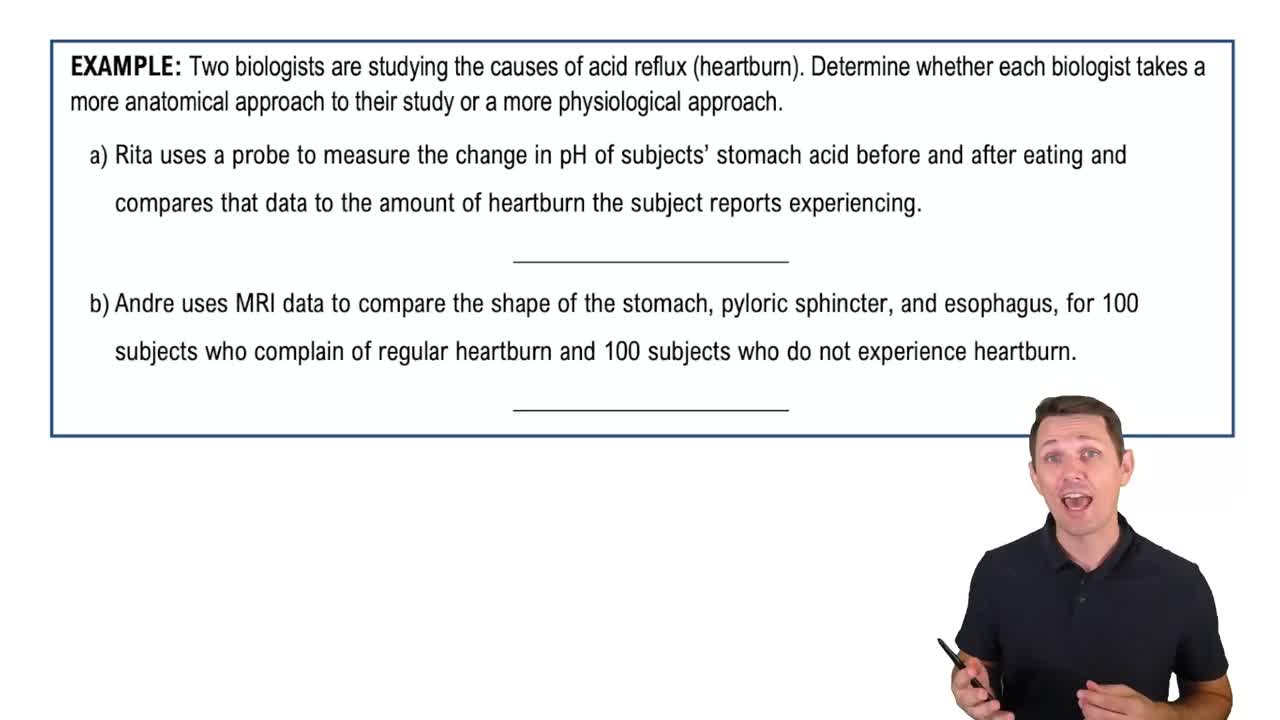
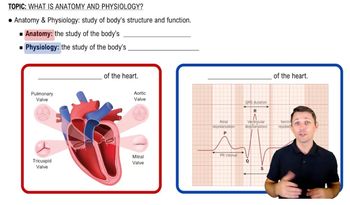
Anatomy is the study of the structure and organization of body parts.
Physiology is the study of the functions and processes of the body parts.
Body organization: cells → tissues → organs → organ systems → organism.
The kidney is an example of an organ.
There are 11 major body systems.
Integumentary, Skeletal, Muscular, Nervous, Endocrine, Cardiovascular, Lymphatic, Respiratory, Digestive, Urinary, Reproductive.
Provides support, protection, and movement by serving as attachment points for muscles.
Maintaining boundaries, movement, responsiveness, digestion, metabolism, excretion, reproduction, and growth.
Homeostasis is the body's ability to maintain a stable internal environment despite external changes.
Through feedback systems that detect changes and activate responses to restore balance.
Oxygen, nutrients, water, normal body temperature, and appropriate atmospheric pressure.
The body stands upright, facing forward, feet flat and slightly apart, arms at sides with palms facing forward.
It provides a standard reference for describing body parts and positions.
Terms like superior, inferior, anterior, posterior, medial, and lateral describe locations relative to the body.
Frontal (coronal), sagittal, and transverse planes divide the body into sections.
A body cavity is a space within the body that houses organs and protects them.
Right hypochondriac, epigastric, left hypochondriac, right lumbar, umbilical, left lumbar, right iliac, hypogastric, left iliac.
Right upper, left upper, right lower, and left lower quadrants.
Medial means toward the midline of the body.
Sagittal divides the body into left and right; transverse divides it into top and bottom.