Skip to main content
Anatomy & Physiology
My Course
Learn
Exam Prep
AI Tutor
Study Guides
Textbook Solutions
Flashcards
Explore
Try the app
My Course
Learn
Exam Prep
AI Tutor
Study Guides
Textbook Solutions
Flashcards
Explore
Try the app
Back
Anatomy & Physiology: Cell Division and Cancer
You can tap to flip the card.
What normally balances cell loss in the body?
You can tap to flip the card.
👆
What normally balances cell loss in the body?
Cell division normally balances cell loss to maintain tissue health.
Track progress
Control buttons has been changed to "navigation" mode.
1/12
Recommended videos
Guided course
02:21
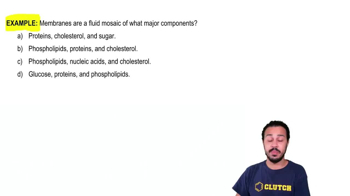
Biological Membranes Example 1
24641
views
457
rank
Guided course
06:49
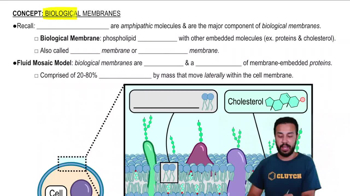
Biological Membranes
33779
views
685
rank
Terms in this set (12)
Hide definitions
What normally balances cell loss in the body?
Cell division normally balances cell loss to maintain tissue health.
Name two factors that stimulate cell division.
Cell division can be stimulated by internal factors like
M-phase promoting factor (MPF)
and extracellular chemical factors such as
growth factors
.
What inhibits cell division?
Cell division can be inhibited by
repressor genes
and
worn out telomeres
(terminal DNA segments).
What happens if repressor genes are faulty?
Faulty repressor genes can cause uncontrolled cell division leading to
cancers
.
Define a tumor (neoplasm).
A tumor is a mass produced by
abnormal cell growth and division
.
What is a benign tumor?
A benign tumor is
contained
and usually not life threatening unless it grows very large.
What characterizes a malignant tumor?
A malignant tumor
spreads into surrounding tissues
through a process called invasion.
What causes cancer at the genetic level?
Cancer results from mutations in genes involved with cell growth, called
oncogenes
.
What are mutagens?
Mutagens are agents that cause
mutations
in DNA.
What are carcinogens?
Carcinogens are cancer-causing agents, many of which are also mutagens.
What is metastasis in cancer?
Metastasis is the
spread of cancer
to other areas of the body, starting with invasion of tissues surrounding the tumor.
How is cancer classified by tissue origin?
Cancer classification includes:
Carcinoma
(epithelial tissue),
Sarcoma
(connective tissue),
Leukemia
(blood cells),
Lymphoma
(lymphatic tissue), and
Adenoma
(usually benign epithelial tumors in glands).
 BackBack
 02:21