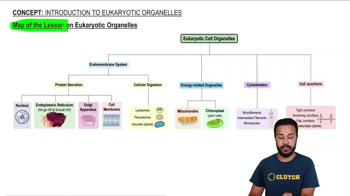
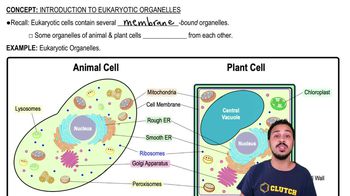
Plasma membrane (flexible outer boundary), cytoplasm (intracellular fluid with organelles), and nucleus (DNA-containing control center).
What is the primary function of the plasma membrane?
Acts as a barrier between intracellular fluid (ICF) and extracellular fluid (ECF), controlling what enters and leaves the cell.
Describe the composition of the plasma membrane lipid bilayer.
Mostly phospholipids with polar hydrophilic phosphate heads and nonpolar hydrophobic fatty acid tails, plus about 20% cholesterol to increase membrane stiffness.
What are integral and peripheral proteins in the plasma membrane?
Integral proteins span the membrane and function as transporters, enzymes, or receptors. Peripheral proteins are loosely attached and act as enzymes, motor proteins, or in cell connections.
What is the glycocalyx and its function?
A carbohydrate 'sugar coating' on the cell surface made of glycolipids and glycoproteins that acts as a biological marker for cell recognition and immune system identification.
Name the three types of cell junctions and their functions.
Tight junctions prevent passage between cells, desmosomes anchor cells together, and gap junctions allow communication via small molecules.
What are the main components of the cytoplasm?
Cytosol (gel-like fluid), inclusions (insoluble molecules like glycogen or pigments), and organelles (specialized structures).
What is the function of mitochondria?
Produce most of the cell's energy (ATP) through cellular respiration; contain their own DNA and can self-replicate.
Differentiate between rough and smooth endoplasmic reticulum (ER).
Rough ER has ribosomes for protein synthesis; smooth ER lacks ribosomes and synthesizes lipids.
What is the role of the Golgi apparatus?
Modifies, concentrates, and packages proteins and lipids from the rough ER for secretion or use in the cell.
What are peroxisomes and their function?
Membranous sacs containing enzymes that detoxify harmful substances and assist in fatty acid metabolism.
Describe the function of lysosomes.
Contain digestive enzymes to break down cellular debris, worn-out organelles, and pathogens; act as the cell's digestive system.
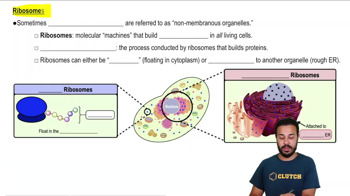
What are ribosomes and their function?
Small dense particles made of rRNA and protein; site of protein synthesis; can be free or attached to rough ER.
What is the cytoskeleton and its components?
Network of protein rods providing structural support and movement; includes microfilaments, intermediate filaments, and microtubules.
What is the function of centrioles?
Organize the mitotic spindle during cell division and form the bases of cilia and flagella.
Compare cilia, microvilli, and flagella.
Cilia move substances across cell surfaces; microvilli increase surface area for absorption; flagella propel the entire cell (e.g., sperm).
What are the main structures of the nucleus?
Nuclear envelope (double membrane), nucleoli (ribosomal RNA synthesis), and chromatin (DNA and proteins).
What is chromatin and how does it change during cell division?
Granular DNA-protein complex that condenses into chromosomes during cell division to protect genetic material.
What are the two main phases of the cell cycle?
Interphase (cell growth and DNA replication) and cell division (mitosis and cytokinesis).
List the stages of mitosis.
Prophase, metaphase, anaphase, and telophase, followed by cytokinesis which splits the cytoplasm.
 Back
 03:45