Skip to main content
Anatomy & Physiology
My Course
Learn
Exam Prep
AI Tutor
Study Guides
Textbook Solutions
Flashcards
Explore
Try the app
My Course
Learn
Exam Prep
AI Tutor
Study Guides
Textbook Solutions
Flashcards
Explore
Try the app
Back
Anatomy & Physiology Chapter 1-3 Key Concepts
You can tap to flip the card.
What are the three main learning modalities mentioned?
You can tap to flip the card.
👆
What are the three main learning modalities mentioned?
Visual, auditory, and kinesthetic
learning styles.
Track progress
Control buttons has been changed to "navigation" mode.
1/28
Recommended videos
3:06
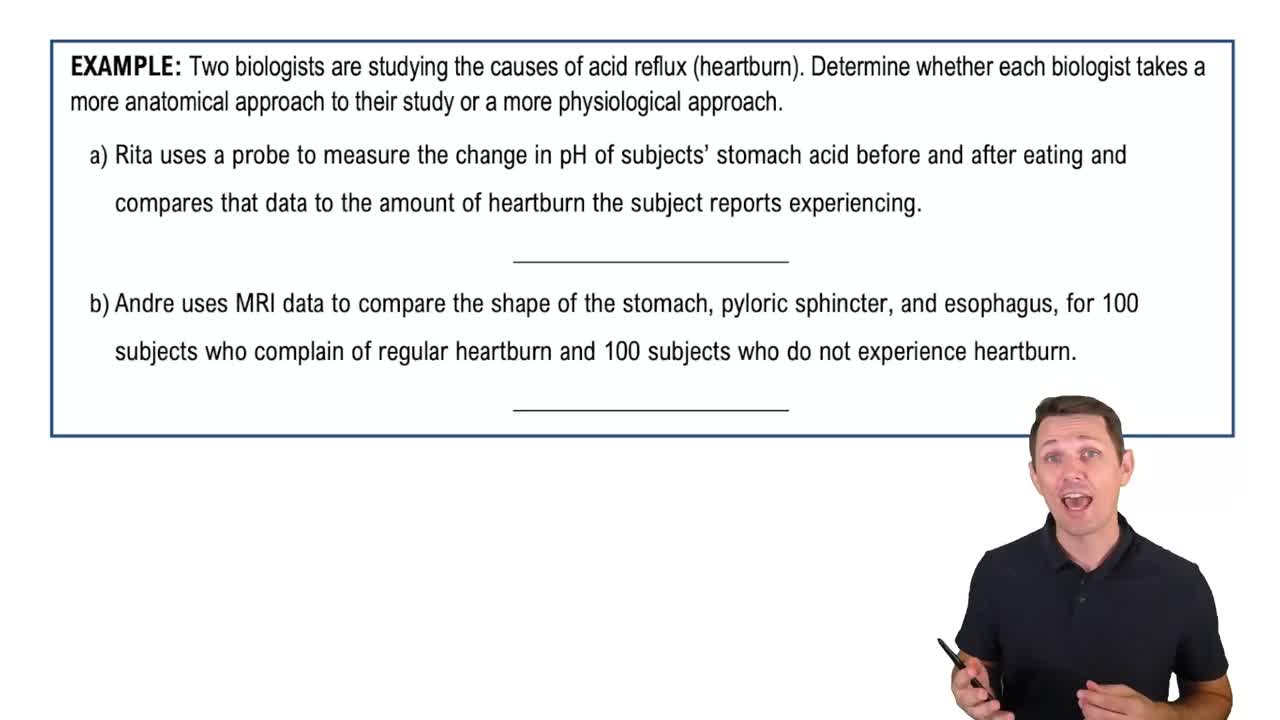
What is Anatomy & Physiology? Example 3
31587
views
743
rank
8
comments
01:58
What is Anatomy & Physiology? Example 2
42458
views
2375
rank
03:04
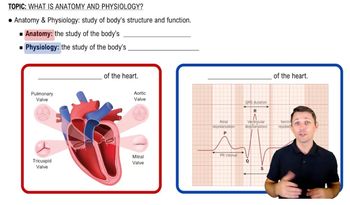
The Difference Between Anatomy and Physiology
83282
views
4041
rank
11
comments
Terms in this set (28)
Hide definitions
What are the three main learning modalities mentioned?
Visual, auditory, and kinesthetic
learning styles.
What is the definition of anatomy?
Anatomy
is the study of
structure
and the relationships between body parts.
What is physiology?
Physiology
is the study of
function
and how body parts work.
What is the importance of taking notes according to the study guide?
Taking notes helps
retain information
and
organize learning
effectively.
What is the purpose of flashcards in studying anatomy and physiology?
Flashcards help with
active recall
and reinforce memory of key concepts.
What is homeostasis?
Homeostasis
is the body's ability to maintain a stable internal environment despite external changes.
What are the two main body cavities?
The
dorsal cavity
(cranial and spinal) and the
ventral cavity
(thoracic and abdominopelvic).
What is the anatomical position?
Body is
standing upright
, facing forward, arms at sides, palms facing forward.
What are the three planes of the body?
Coronal (frontal), sagittal, and transverse
planes.
What is the difference between the axial and appendicular skeleton?
Axial includes
head, neck, and trunk
; appendicular includes
limbs and girdles
.
What is the function of the serous membrane?
It
reduces friction
between organs and body walls.
What is the role of the feedback system in homeostasis?
Feedback systems
monitor and adjust
physiological variables to maintain stability.
What is the difference between positive and negative feedback?
Negative feedback
reverses
a change; positive feedback
enhances
a change.
What is the function of the cardiovascular system in homeostasis?
It
transports nutrients, gases, and wastes
to maintain internal balance.
What is the significance of the cell in anatomy and physiology?
The cell is the
smallest unit of life
and the basic structural and functional unit.
What is the role of the nervous system in homeostasis?
It
detects stimuli
and
coordinates responses
to maintain balance.
What is the function of the respiratory system in homeostasis?
It
exchanges gases
to supply oxygen and remove carbon dioxide.
What is the anatomical term for the 'belly button' region?
Umbilical
region.
What is the difference between proximal and distal?
Proximal means
closer to the point of attachment
; distal means
farther from it
.
What is the function of the lymphatic system?
It
returns fluid to blood
and
helps with immunity
.
What is the role of the digestive system in homeostasis?
It
breaks down food
and
absorbs nutrients
for energy and repair.
What is the function of the urinary system?
It
removes waste
and
regulates water and electrolyte balance
.
What is the anatomical term for the 'hip' region?
Iliac
region.
What is the difference between superficial and deep?
Superficial means
near the surface
; deep means
farther inside
.
What is the function of the endocrine system?
It
secretes hormones
to regulate body processes.
What is the role of the muscular system?
It
produces movement
and
maintains posture
.
What is the anatomical term for the 'chest' region?
Thoracic
region.
What is the function of the integumentary system?
It
protects the body
and
regulates temperature
.
 BackBack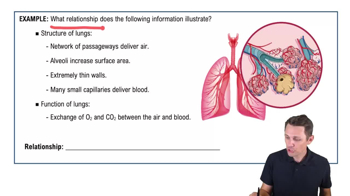
 3:06
3:06