Back

Anatomy & Physiology Chapter 1 Flashcards
Control buttons has been changed to "navigation" mode.
1/57
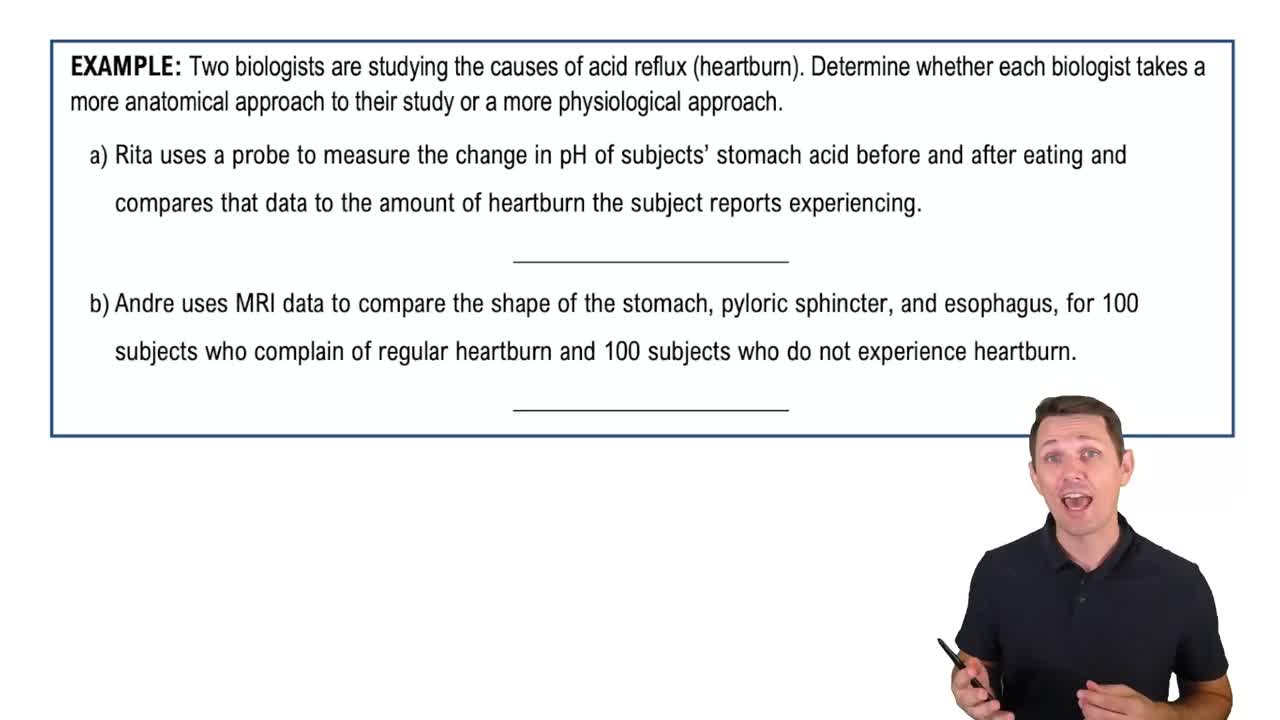
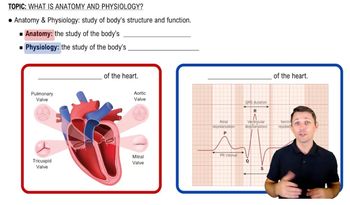
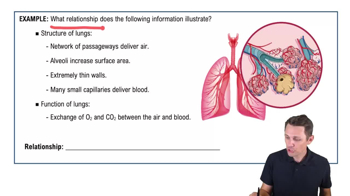
  • What is anatomy?

    Study of structure (what body parts are, where they are, relationships)

  • What is physiology?

    Study of function (how body parts work)

  • What is gross anatomy?

    Study of structures visible to the naked eye

  • What is microscopic anatomy?

    Study of structures that need a microscope

  • What is cytology?

    Study of cells

  • What is histology?

    Study of tissues

  • What is cell physiology?

    Study of processes within cells

  • What is organ physiology?

    Study of functions of specific organs

  • What is systemic physiology?

    Study of organ systems

  • Anatomy is to ____ as physiology is to ____

    Structure; Function

  • Organs of integumentary system?

    Skin, hair, sweat glands, nails

  • Functions of integumentary system?

    Protection, temperature control, sensation

  • Organs of skeletal system?

    Bones, cartilage, ligaments, bone marrow

  • Functions of skeletal system?

    Support, protection, stores minerals, makes blood cells

  • Organs of muscular system?

    Skeletal muscles, tendons

  • Functions of muscular system?

    Movement, support, heat production

  • Organs of nervous system?

    Brain, spinal cord, nerves, sense organs

  • Functions of nervous system?

    Controls responses, coordinates body, sensory info

  • Organs of endocrine system?

    Pituitary, thyroid, pancreas, adrenal glands, gonads

  • Functions of endocrine system?

    Long-term control, metabolism, development

  • What is homeostasis?

    Maintaining a stable internal environment

  • What is intrinsic regulation?

    Automatic (local control)

  • What is extrinsic regulation?

    Controlled by nervous and endocrine systems

  • What is the role of the receptor in homeostasis?

    Detects change

  • What is the role of the control center in homeostasis?

    Processes information

  • What is the role of the effector in homeostasis?

    Responds to change

  • What does negative feedback do?

    Reverses the stimulus

  • Goal of negative feedback?

    Return to homeostasis

  • Example of negative feedback?

    Body temperature regulation

  • What does positive feedback do?

    Enhances the stimulus

  • Is positive feedback common?

    No

  • Examples of positive feedback?

    Childbirth, blood clotting

  • Most body regulation is controlled by?

    Negative feedback

  • Standard anatomical position?

    Standing, facing forward, arms at sides, palms forward

  • What does supine mean?

    Lying face up

  • What does prone mean?

    Lying face down

  • Anterior means?

    Front

  • Posterior means?

    Back

  • Superior means?

    Above

  • Inferior means?

    Below

  • Medial means?

    Toward midline

  • Lateral means?

    Away from midline

  • Proximal means?

    Closer to attachment

  • Distal means?

    Farther from attachment

  • Superficial means?

    Near surface

  • Deep means?

    Far from surface

  • Sagittal plane divides body into?

    Left vs right

  • Frontal (coronal) plane divides body into?

    Front vs back

  • Transverse plane divides body into?

    Top vs bottom

  • What is in the dorsal cavity?

    Brain and spinal cord

  • What is in the ventral cavity?

    Thoracic and abdominopelvic cavities

  • What is in the thoracic cavity?

    Lungs and heart

  • What is in the abdominal cavity?

    Digestive organs

  • What is in the pelvic cavity?

    Reproductive organs and bladder

  • What does the parietal layer of serous membranes do?

    Lines the cavity

  • What does the visceral layer of serous membranes do?

    Covers the organs

  • What does the peritoneum do?

    Allows organs to slide without friction