 Back
BackAnatomy & Physiology: Chapter 1 Key Concepts
 3:06
3:06
Terms in this set (20)
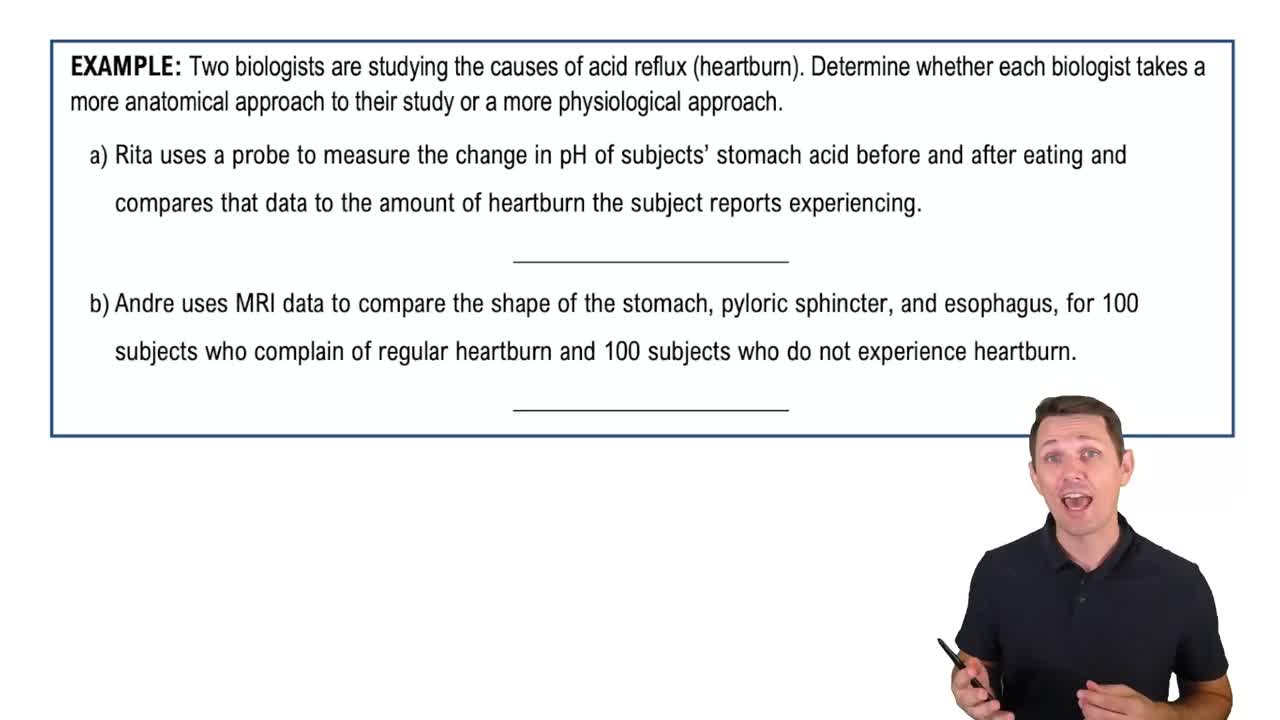
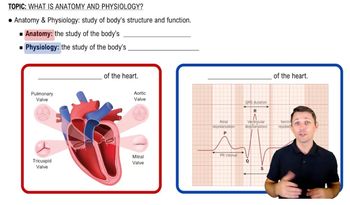
Anatomy is the study of body structure; physiology is the study of body function.
Chemical, cellular, tissue, organ, organ system, organism levels.
Homeostasis is the body's ability to maintain a stable internal environment despite external changes.
Negative feedback reverses a change to return the body to its set point, maintaining stability.
Positive feedback amplifies a response until a specific event occurs, then stops.
Stomach, intestines, liver, pancreas, and esophagus.
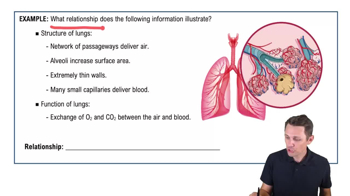
Lungs, trachea, bronchi, and nasal cavity.
Includes terms like thoracic (chest), abdominal, pelvic, and cranial (head) regions.
Terms such as anterior (front), posterior (back), superior (above), and inferior (below).
Dorsal cavity (cranial and spinal) and ventral cavity (thoracic and abdominopelvic).
The brain is housed in the cranial cavity.
The spinal cord is contained within the spinal cavity.
Heart and lungs are located in the thoracic cavity.
Includes stomach, liver, intestines, bladder, and reproductive organs.
Includes gross anatomy, microscopic anatomy, developmental anatomy, and others.
Includes neurophysiology, cardiovascular physiology, respiratory physiology, and others.
Protects the body, regulates temperature, and prevents water loss.
Supports the body, protects organs, and produces blood cells.
Allows movement, maintains posture, and produces heat.
Provides a standardized way to describe body locations and positions clearly and accurately.