 Back
BackAnatomy & Physiology Chapter 1 Key Concepts
 3:06
3:06
Terms in this set (39)
Hippocrates.
Natural causes rather than the displeasure of the gods.
The balance of the four body humors.
A stable internal environment.
Aristotle.
Erasistratus.
Andreas Vesalius.
Corrected many errors made by Galen and others.
William Harvey.
Antony van Leeuwenhoek.
Define the problem or question.
Do research.
Form a hypothesis.
Through observation and experimentation.
Data is collected and recorded.
Draw a conclusion.
A hypothesis supported by evidence over a long period of time.
Explaining life processes using chemistry and physics.
Animalia.
Notochord, dorsal hollow nerve cord, pharyngeal pouches, and postanal tail.
The brain and spinal cord.
Hair, mammary glands, three ear ossicles, heterodont dentition, and a fleshy external ear.
Different kinds of teeth adapted to handle food in different ways.
Walking upright on two legs.
The ability to respond to environmental stimuli.
The total chemical and physical reactions that sustain life.
Constructive metabolism, such as protein synthesis.
Destructive metabolism that breaks down substances.
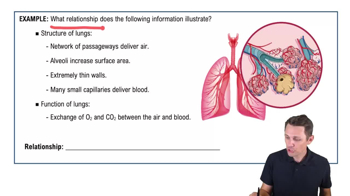
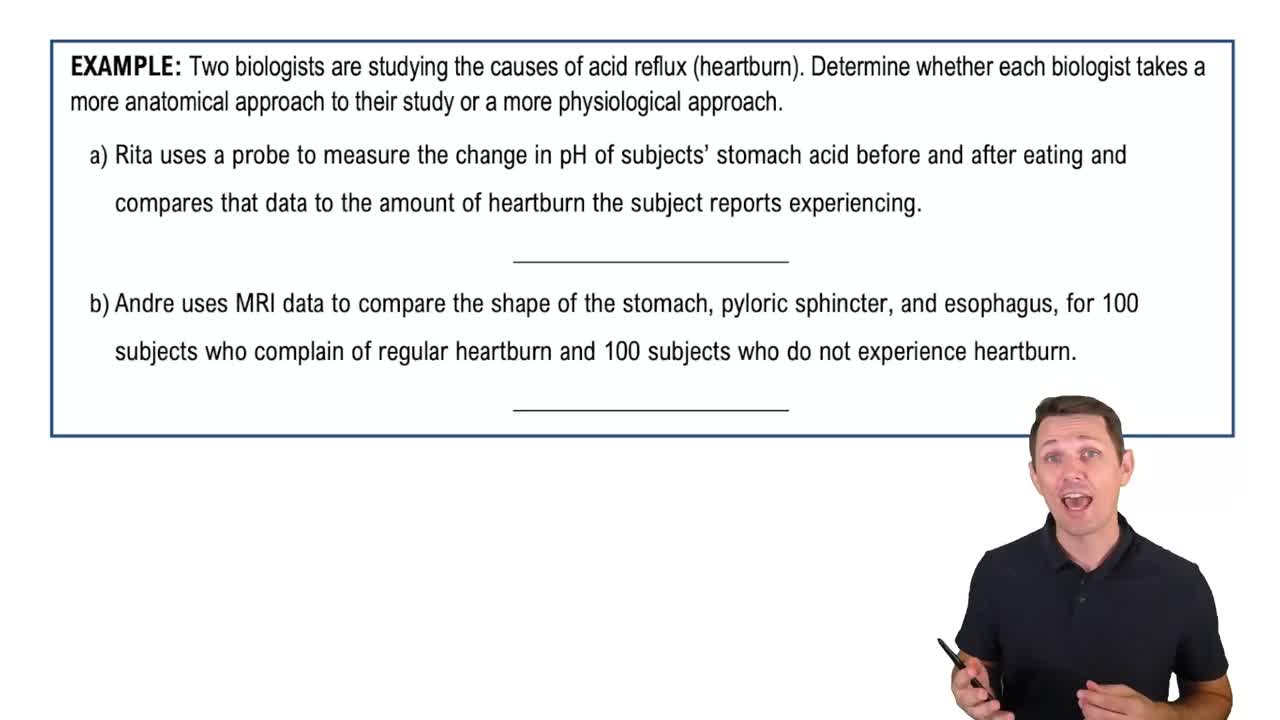
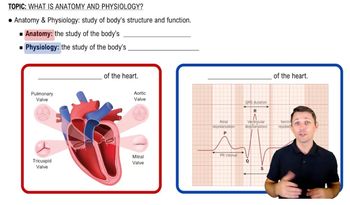
The study of body structure and relationships among body parts.
The study of how living organisms perform vital functions.
The cell.
Receptor, control center, and effector.
A response that opposes a change from normal limits.
Standing upright with hands at the sides and palms facing forward.
Superior and inferior sections.
Dorsal and ventral body cavities.
The diaphragm.
The thoracic cavity and abdominopelvic cavity.
A serous membrane lining the peritoneal cavity.