 Back
BackAnatomy & Physiology: Chapter 1 - The Human Body: An Orientation
 3:06
3:06
Terms in this set (26)
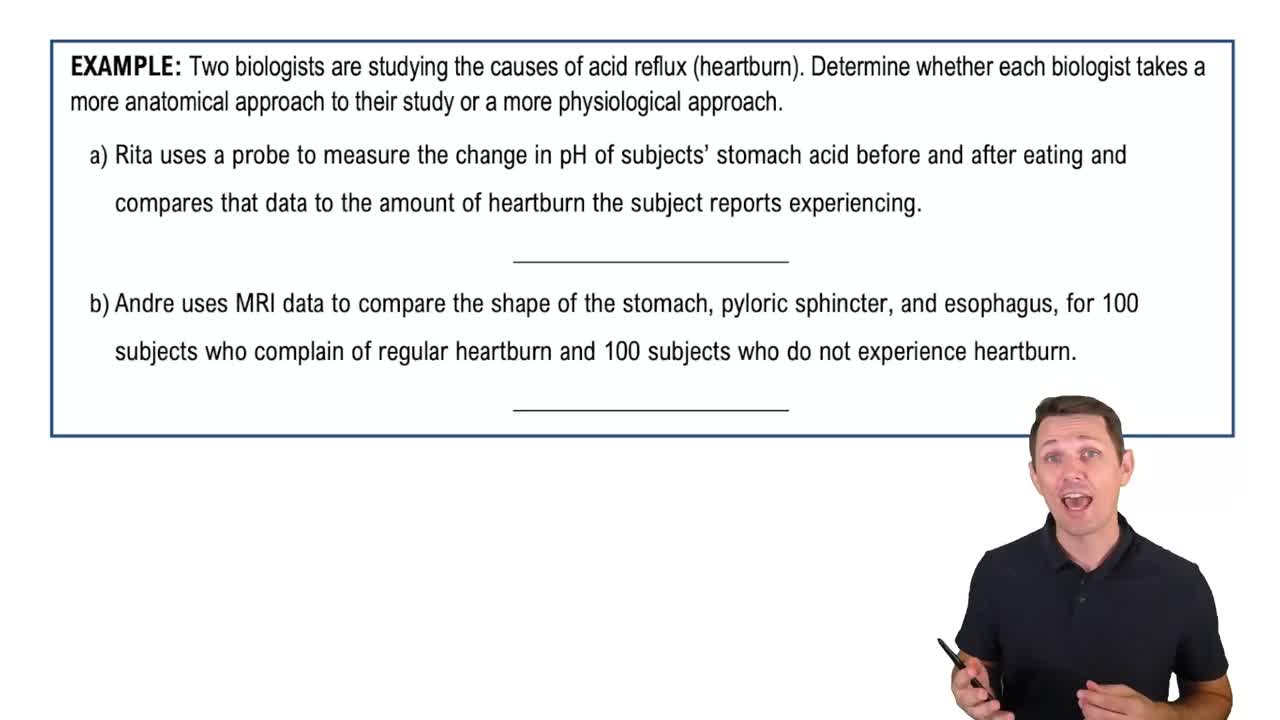
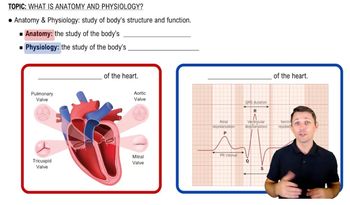
Anatomy is the study of the body’s structure.
Physiology is the study of the body’s function.
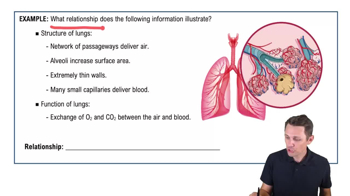
Structure exists to perform a function; to understand why an organ is shaped a certain way, you must understand what it does. Function is determined by structure; to understand how an organ performs its job, you must understand how it is built.
Atomic and molecular level, cellular level, tissue level, organ level, organ system level, organism level.
Anatomical variation refers to differences in the arrangement or structure of body parts among individuals. It is important because textbooks often show a 'standard' body, but variations can affect medical procedures and diagnoses.
Integumentary: protection and temperature regulation.
Skeletal: support and protection.
Muscular: movement.
The nervous system uses electrical signals for rapid, point-to-point communication. The endocrine system uses chemical messengers (hormones) that travel through the blood for slower, widespread coordination.
The circulatory (cardiovascular) system transports materials through the body, and the lymphatic and immune systems provide immunity and transport lymph.
Homeostasis is the maintenance of a stable internal environment within a narrow range despite external changes.
Negative feedback opposes the original stimulus to maintain homeostasis (e.g., temperature regulation).
Positive feedback amplifies the original stimulus, moving the system away from the set point (e.g., labor contractions).
1. Receptor: detects change in internal environment.
2. Control center: processes information and signals response.
3. Effector: carries out action to restore set point.
The anatomical position is a standard body posture: upright, face forward, feet shoulder-width apart, arms at sides with palms facing forward. It provides a consistent reference for anatomical terminology.
Superior: toward the head.
Inferior: toward the feet.
Anterior: front of the body.
Posterior: back of the body.
Medial: toward the midline.
Lateral: away from the midline.
Proximal: closer to limb attachment.
Distal: farther from limb attachment.
Frontal (coronal): divides body into anterior and posterior.
Sagittal: divides body into left and right.
Transverse: divides body into superior and inferior.
Posterior (dorsal) cavity: contains cranial cavity (brain) and vertebral cavity (spinal cord).
Anterior (ventral) cavity: contains thoracic cavity (heart, lungs) and abdominopelvic cavity (digestive organs, kidneys, bladder, reproductive organs).
The abdominal cavity contains most digestive organs and kidneys and lacks bony protection. The pelvic cavity contains the bladder and internal reproductive organs and is surrounded by the pelvis bones.
The peritoneal cavity is a serous membrane-bound space surrounding most abdominal organs. It allows organs to move smoothly and infections can spread rapidly within it.
Thermoreceptors in the hypothalamus detect temperature changes. If too hot, sweat glands produce sweat and blood flow to skin increases. If too cold, muscles shiver and blood flow to skin decreases to conserve heat.
During labor, pressure on the cervix stimulates oxytocin release, which increases uterine contractions, further increasing pressure until delivery occurs.
Because individuals may have different arrangements of blood vessels or organs, which can lead to medical errors if not recognized.
The pleurae are serous membranes surrounding the lungs that reduce friction during breathing and help maintain lung expansion.
The mediastinum is the central compartment of the thoracic cavity containing the heart, esophagus, trachea, and major vessels; it separates the two pleural cavities.
Ipsilateral: on the same side of the body.
Contralateral: on the opposite side of the body.
The abdomen is divided into four quadrants by vertical and horizontal lines through the navel: Right Upper Quadrant (RUQ), Left Upper Quadrant (LUQ), Right Lower Quadrant (RLQ), Left Lower Quadrant (LLQ).
The abdomen is divided into nine regions by two vertical and two horizontal lines: Right and Left Hypochondriac, Epigastric, Right and Left Lumbar, Umbilical, Right and Left Inguinal, Hypogastric.
Directional terms always refer to the body as if it is in anatomical position to avoid confusion in describing locations.
Superficial: closer to the body surface.
Deep: farther from the body surface.