 Back
BackAnatomy & Physiology: Chapters 1 & 2 Key Concepts
 3:06
3:06
Terms in this set (30)
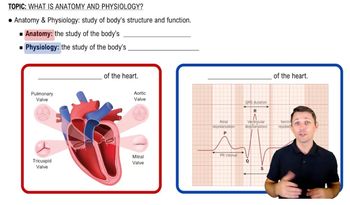
Anatomy is the study of the structure of the human body.
Physiology is the study of the function of the human body.
Gross anatomy, microscopic anatomy (histology), surface anatomy, developmental anatomy, embryology, pathological anatomy, radiographic anatomy, and functional morphology.
Chemical level, cellular level, tissue level, organ level, organ system level, and organism level.
Systemic anatomy studies the body by systems; regional anatomy studies the body by specific regions.
Forms external body covering, protects deeper tissues, synthesizes vitamin D, and houses cutaneous receptors and glands.
Protects and supports organs, provides muscle framework, forms blood cells, and stores minerals.
Allows manipulation of environment, locomotion, facial expression, maintains posture, and produces heat.
Acts as a fast-acting control system responding to internal and external changes.
Secretes hormones that regulate growth, reproduction, and nutrient use.
Transports blood, carries oxygen, carbon dioxide, nutrients, and wastes; heart pumps blood through vessels.
Collects fluid leaked from blood vessels, disposes debris, houses lymphocytes, and mounts immune attacks.
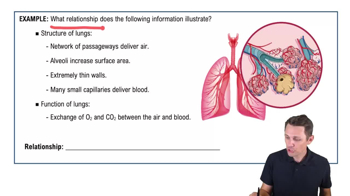
Supplies blood with oxygen, removes carbon dioxide, and facilitates gas exchange in lung air sacs.
Breaks down food into absorbable units and eliminates indigestible food as feces.
Eliminates nitrogenous wastes and regulates water, electrolyte, and acid-base balance.
To produce offspring; testes produce sperm and male hormones; ovaries produce eggs and female hormones; mammary glands produce milk.
Person stands erect, feet together, eyes forward, palms facing anteriorly with thumbs pointed away from the body.
Coronal (frontal) plane divides anterior/posterior, median (midsagittal) plane divides left/right, transverse plane divides superior/inferior.
Dorsal cavity includes cranial and vertebral cavities; ventral cavity includes thoracic and abdominopelvic cavities.
Line body cavities and cover organs, reducing friction via serous fluid; includes pleura, pericardium, and peritoneum.
The plasma membrane is the cell's outer boundary, selectively permeable, controlling substance entry and exit.
A lipid bilayer with embedded integral and peripheral proteins, allowing fluidity and selective transport.
Movement of molecules down their concentration gradient through integral membrane proteins without energy use.
Movement of molecules against their concentration gradient using energy and integral proteins.
Phagocytosis (cell eating), pinocytosis (cell drinking), and receptor-mediated endocytosis (selective uptake).
Process where vesicles fuse with the plasma membrane to release substances outside the cell.
Ribosomes (protein synthesis), rough ER (protein production), smooth ER (lipid synthesis), Golgi apparatus (sorting/packaging), lysosomes (digestion), mitochondria (energy production), peroxisomes (detoxification).
Control center of the cell containing DNA, directing cellular activities and ribosome assembly.
DNA replicates to ensure daughter cells receive identical genetic material.
Prophase, metaphase, anaphase, telophase, followed by cytokinesis.