 Back
BackAnatomy & Physiology Core Concepts
 3:06
3:06
Terms in this set (21)
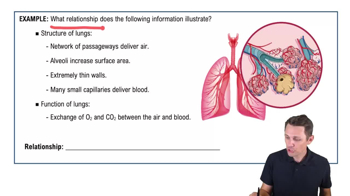
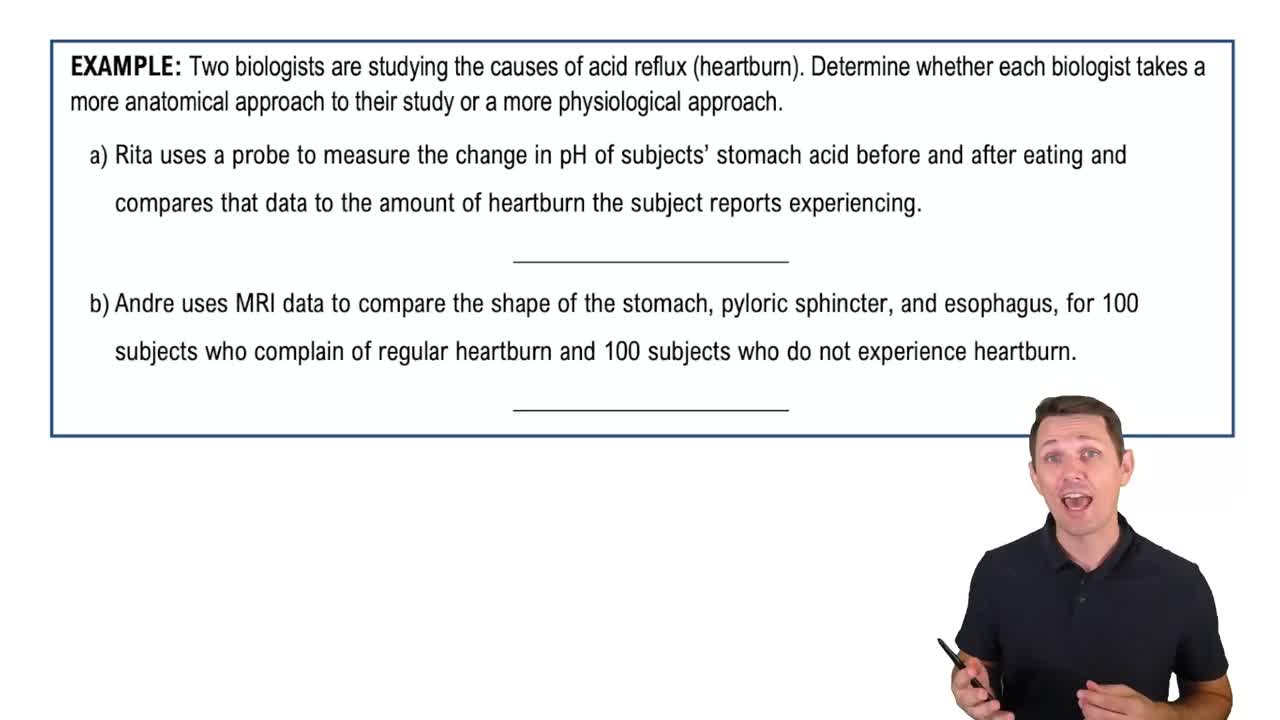
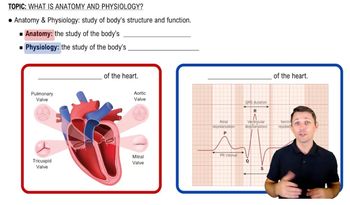
Anatomy studies the structure of body parts and their relationships to one another.
Physiology concerns the function of the body, explaining how body parts work and carry out life-sustaining activities.
Chemical, Cellular, Tissue, Organ, Organ system, and Organismal levels.
The cell is the basic structural and functional unit of life.
Homeostasis is the condition of maintaining the body’s internal environment in a relatively constant state.
Receptor, control center, and effector.
Negative feedback reduces or shuts off the original stimulus to maintain balance, like a thermostat.
Examples include blood clotting and labor contractions, where the response accelerates the original stimulus.
Integumentary, Skeletal, Muscular, Nervous, Endocrine, Cardiovascular, Lymphatic, Respiratory, Digestive, Urinary, and Reproductive systems.
Protects deeper tissues, forms the external body covering, synthesizes vitamin D, and houses sensory receptors and glands.
Protects and supports organs, provides framework for muscles, forms blood cells, and stores minerals.
Allows manipulation of environment, locomotion, facial expression, maintains posture, and produces heat.
An element is a substance that cannot be broken down further; an atom is the smallest particle of an element with its properties.
Protons (+ charge), neutrons (no charge), and electrons (- charge).
Ionic bonds form when valence electrons are transferred between atoms, creating charged ions attracted to each other.
Polar bonds share electrons unequally, creating partial charges; nonpolar bonds share electrons equally.
Atoms tend to gain, lose, or share electrons to have 8 electrons in their valence shell for stability.
Solutions (homogeneous), colloids (heterogeneous, cloudy), and suspensions (heterogeneous, particles settle out).
The concentration of hydrogen ions [H+] in a solution, indicating acidity or alkalinity.
High heat capacity, high heat of vaporization, polar solvent properties, reactivity, and cushioning.
Anabolic reactions build molecules and require energy; catabolic reactions break down molecules and release energy.