 Back
BackAnatomy & Physiology Core Concepts Flashcards
 2:58
2:58
Terms in this set (27)
Anatomy is the study of body structure; physiology is the study of body function. Form (anatomy) determines function (physiology).
Levels include atoms, molecules, cells, tissues, organs, organ systems, and the whole organism.
Examples: Integumentary (protection), Skeletal (support), Muscular (movement), Nervous (control), etc.
Homeostasis is the maintenance of a stable internal environment essential for survival and function.
Negative feedback reverses a change to maintain balance; positive feedback amplifies a response until a specific outcome is achieved.
Body standing upright, feet parallel, arms at sides, palms facing forward, head and eyes facing forward.
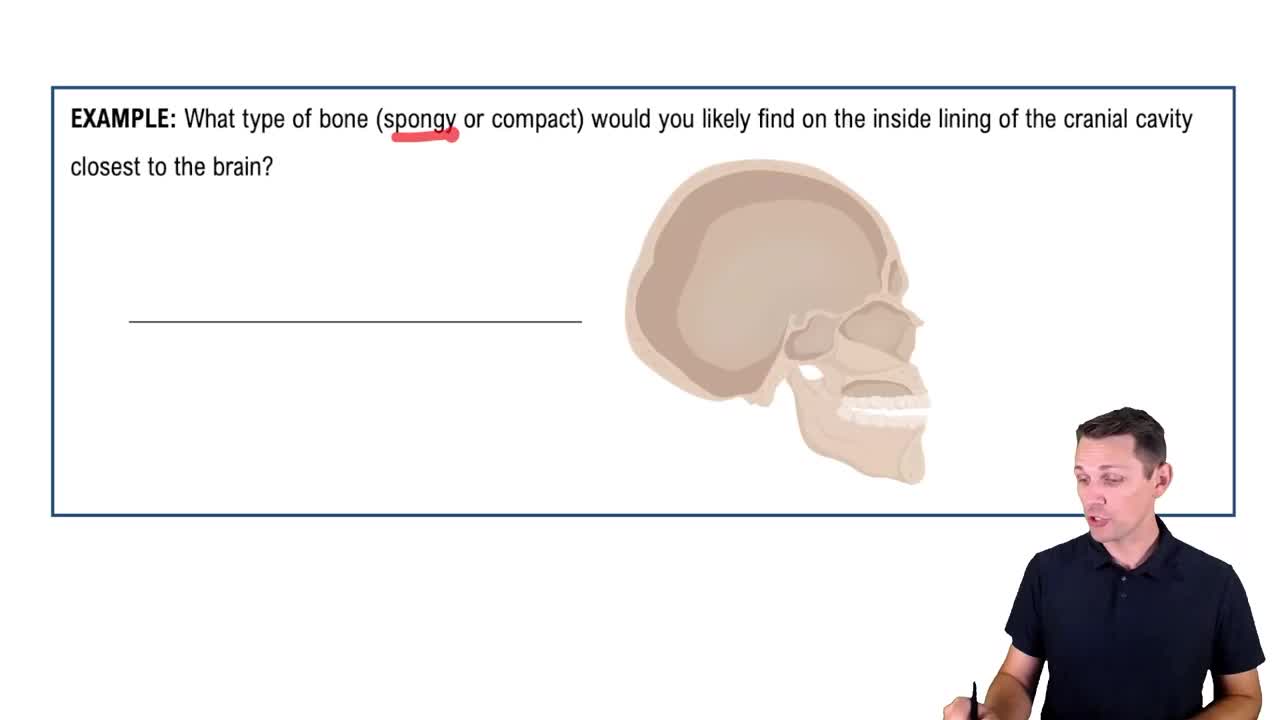
Examples: Cranial cavity (brain), Thoracic cavity (heart, lungs), Abdominopelvic cavity (digestive organs).
Matter is anything that occupies space and has mass; energy is the capacity to do work or cause change.
Oxygen, Carbon, Hydrogen, and Nitrogen.
Ionic bonds transfer electrons; covalent bonds share electrons; hydrogen bonds are weak attractions between polar molecules.
Water is essential for chemical reactions, temperature regulation, and as a solvent for substances.
Primary (amino acid sequence), Secondary (alpha helices and beta sheets), Tertiary (3D folding), Quaternary (multiple polypeptides).
DNA stores genetic information; RNA helps express genetic information and is single-stranded.
A phospholipid bilayer with embedded proteins forming a fluid mosaic that controls substance movement.
Passive transport moves substances down concentration gradients without energy; active transport requires ATP to move substances against gradients.
The voltage difference across the plasma membrane due to ion distribution.
Mitochondria (energy), Ribosomes (protein synthesis), ER (protein/lipid processing), Golgi (packaging), Lysosomes (digestion), Peroxisomes (detox).
Interphase (growth and DNA replication) and Mitotic phase (cell division).
A gene is a DNA segment coding for a protein; the genetic code is the set of rules translating DNA triplets into amino acids.
Skeletal (voluntary, striated), Cardiac (involuntary, striated), Smooth (involuntary, nonstriated).
Actin and myosin filaments slide past each other, shortening the muscle fiber.
Receive sensory input, integrate information, and respond with motor output.
Neurons transmit nerve impulses; neuroglia support and protect neurons.
Rapid depolarization and repolarization of the membrane due to ion channel activity.
Includes midbrain, pons, medulla; controls vital functions like breathing and heart rate.
Receptor, sensory neuron, integration center, motor neuron, effector.
Sympathetic prepares body for 'fight or flight'; parasympathetic promotes 'rest and digest'.