 Back
BackAnatomy & Physiology Exam 1 Review Chapters 1-3
 3:06
3:06
Terms in this set (22)
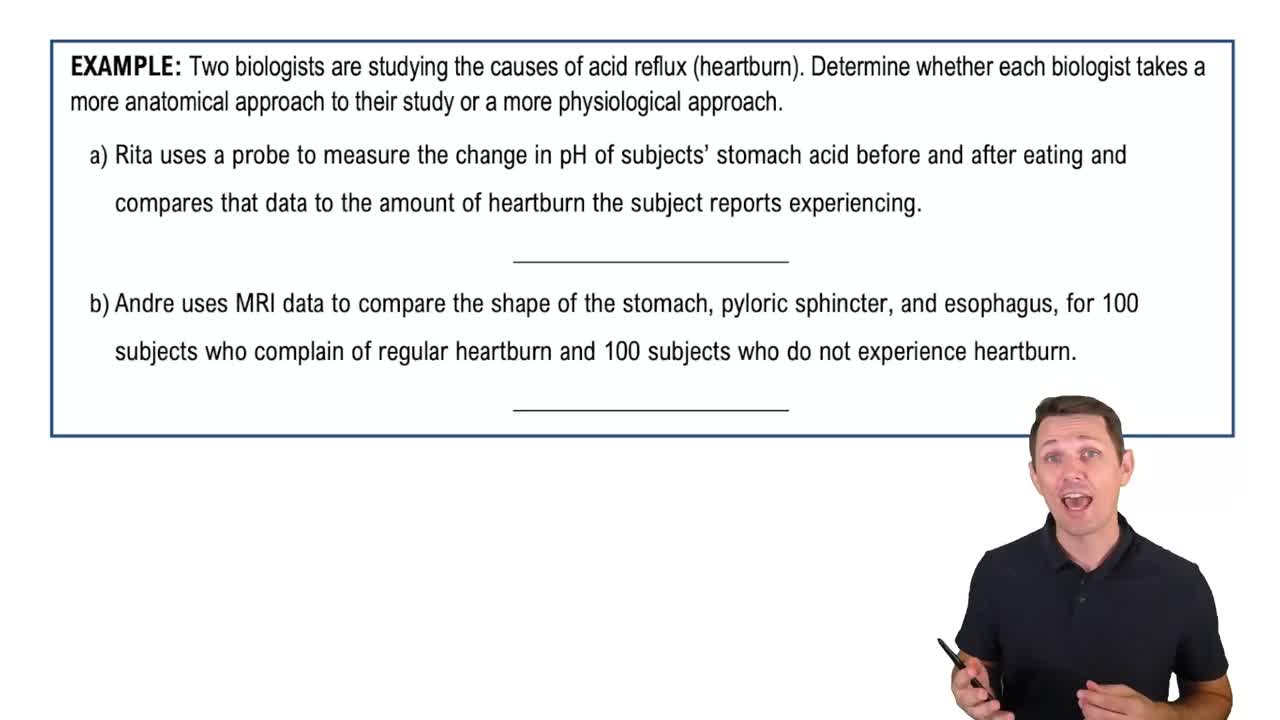
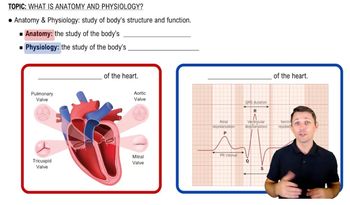
Anatomy is the study of body structure; Physiology is the study of body function.
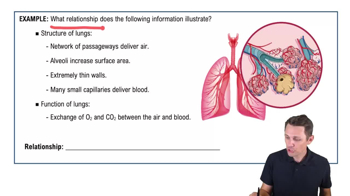
Structure determines function; for example, the shape of a bone supports its role in movement and protection.
Cell < Tissue < Organ < Organ system < Organism.
Examples: Circulatory (transports blood), Respiratory (gas exchange), Digestive (nutrient breakdown), Nervous (control and communication).
Examples: Superior (above), Inferior (below), Anterior (front), Posterior (back), Medial (toward midline), Lateral (away from midline).
Ventral cavity: thoracic (heart, lungs), abdominal (digestive organs), pelvic (reproductive organs). Dorsal cavity: cranial (brain), spinal (spinal cord).
Standard position: standing, facing forward, arms at sides, palms forward. Planes: Sagittal (left/right), Coronal (front/back), Transverse (top/bottom).
Parietal membranes line cavity walls; Visceral membranes cover organs.
Homeostasis maintains stable internal conditions. Negative feedback reverses a change; Positive feedback amplifies a change.
Ionic bonds transfer electrons; Covalent bonds share electrons; Hydrogen bonds are weak attractions between polar molecules.
Acids release H+ ions; Bases release OH- ions. pH measures H+ concentration; low pH is acidic, high pH is basic.
General formula \((CH_2O)_n\). Functions: energy source and structural support.
Monosaccharides: single sugars (glucose). Disaccharides: two sugars (sucrose). Polysaccharides: many sugars (glycogen).
Types: triglycerides (energy storage), phospholipids (membranes), cholesterol (steroid precursor). Functions: energy, membrane structure, signaling.
Amino acids link by peptide bonds. Protein structures: primary (sequence), secondary (alpha helix/beta sheet), tertiary (3D folding), quaternary (multiple subunits).
DNA: double-stranded, deoxyribose sugar, stores genetic info. RNA: single-stranded, ribose sugar, involved in protein synthesis.
Membrane is a fluid bilayer of phospholipids with embedded proteins, cholesterol, glycolipids, and glycoproteins.
Passive transport moves substances down concentration gradients without energy. Active transport requires energy to move substances against gradients.
Osmosis is water diffusion across a membrane. Isotonic: equal solute concentration; Hypertonic: higher solute outside; Hypotonic: lower solute outside.
Prophase, metaphase, anaphase, telophase; result in two identical daughter cells.
DNA unwinds; new strands form by complementary base pairing; replication is semi-conservative.
Transcription: DNA to mRNA in nucleus. Translation: mRNA to protein at ribosome with tRNA.