 Back
BackAnatomy & Physiology Exam 1 Terminology
 3:06
3:06
Terms in this set (30)
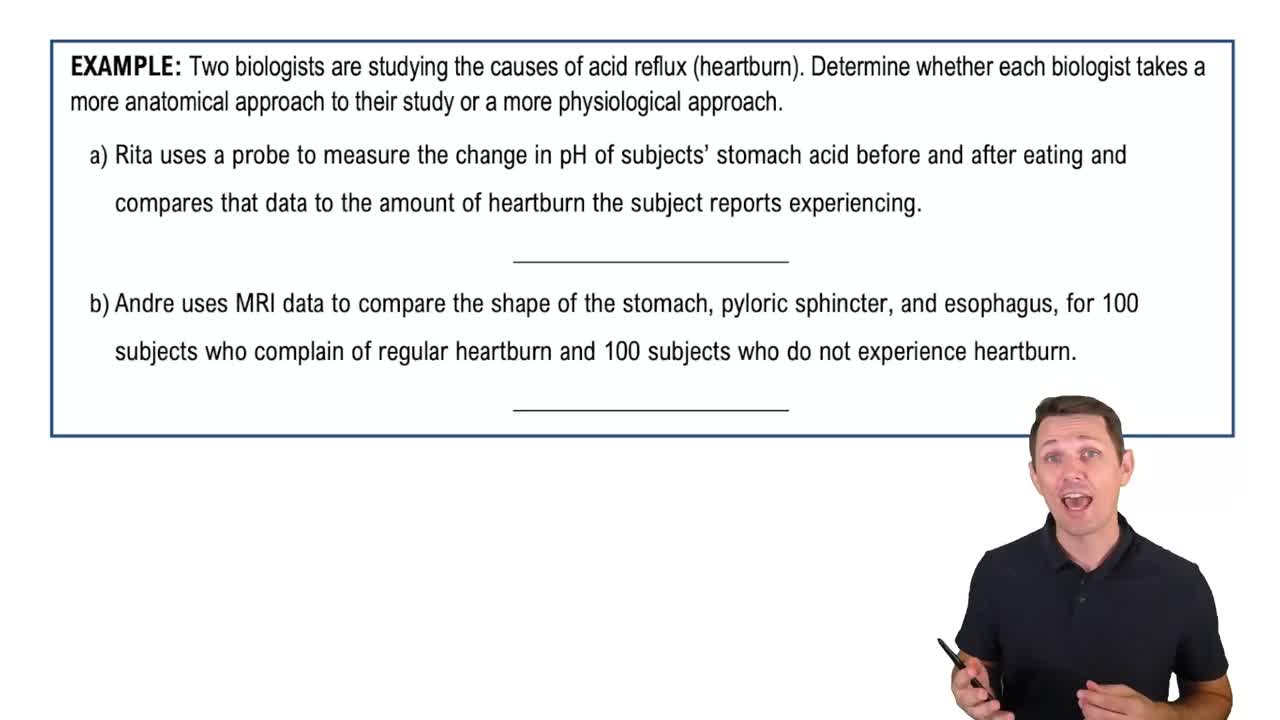
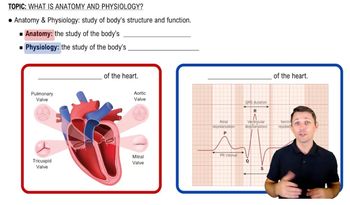
the study of the structure and shape of the body and its parts.
the study of the function of the body and how its parts work.
the body's ability to maintain a stable internal environment despite external changes.
amplifies a change or output in a system, moving it further from the starting state.
reverses a change to return the system to its set point, maintaining stability.
A receptor detects changes in the environment and sends information to the control center.
The control center processes information from receptors and sends instructions to effectors.
An effector carries out instructions from the control center to produce a response.
An atom is the smallest unit of an element that retains its chemical properties.
An ion is an atom or molecule that is charged due to losing or gaining electrons
Cations are positively charged ions so if an ion loses an electron; anions are negatively charged ions - they gain a electron and become anion
An ionic bond forms when electrons are transferred between atoms, creating charged ions that attract.
A covalent bond forms when atoms share electrons to fill their outer shells.
A polar covalent bond occurs when electrons are shared unequally, creating partial charges.
A hydrogen bond is a weak attraction between a hydrogen atom and an electronegative atom.
pH measures the acidity or alkalinity of a solution on a scale from 0 to 14.
A buffer stabilizes pH by neutralizing excess acids or bases.
Metabolism is the sum of all chemical reactions in the body, including catabolism and anabolism.
Catabolism breaks down molecules into smaller units, releasing energy.
Anabolism builds larger molecules from smaller ones, requiring energy.
Carbohydrates are organic molecules made of monosaccharides, disaccharides, or polysaccharides used for energy.
Lipids include fatty acids, triglycerides, phospholipids, and steroids, important for energy storage and membranes.
Proteins are polymers of amino acids linked by peptide bonds, with complex structures determining function.
Denature means the loss of a protein's shape and function due to heat or pH changes.
Nucleic acids like DNA and RNA are polymers of nucleotides that store and transmit genetic information.
ATP (adenosine triphosphate) is the primary energy carrier in cells.
The plasma membrane is a selectively permeable barrier that controls entry and exit of substances in a cell.
Diffusion is the passive movement of molecules from high to low concentration.
Osmosis is the diffusion of water across a semipermeable membrane.
Active transport moves substances against their concentration gradient using energy.