 Back
BackAnatomy & Physiology Final Exam Key Concepts
 03:26
03:26
Terms in this set (30)
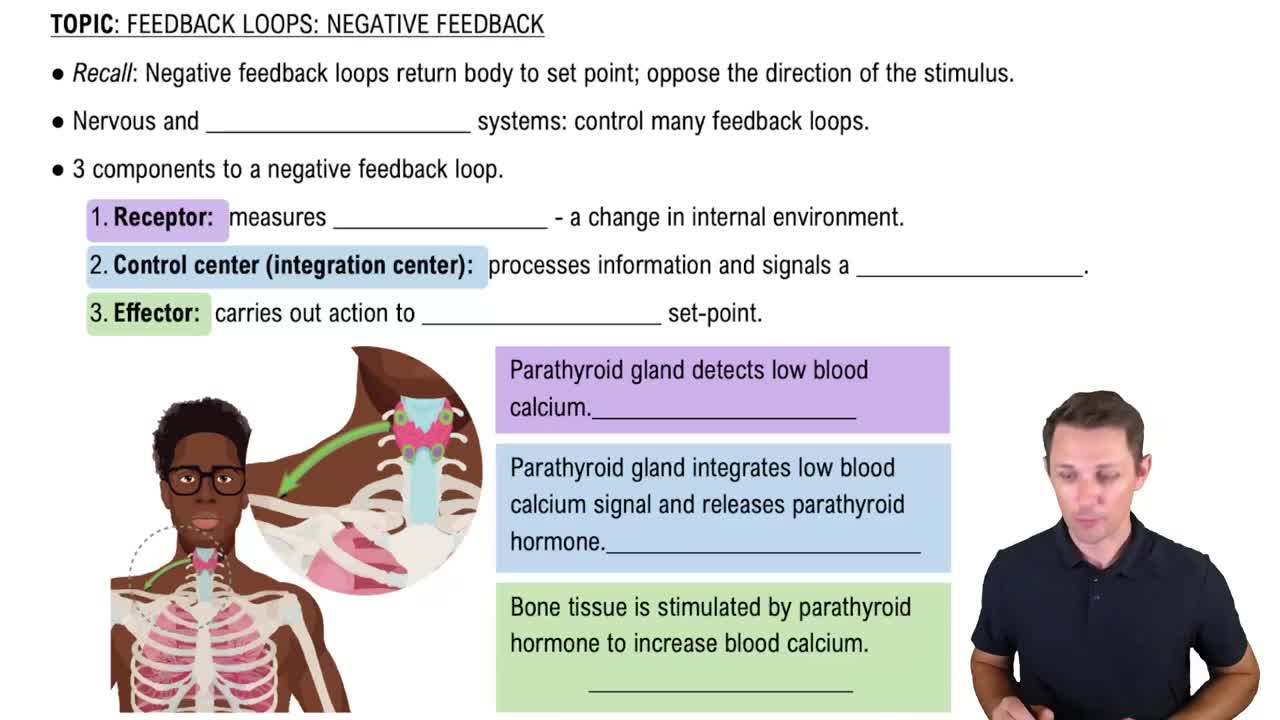
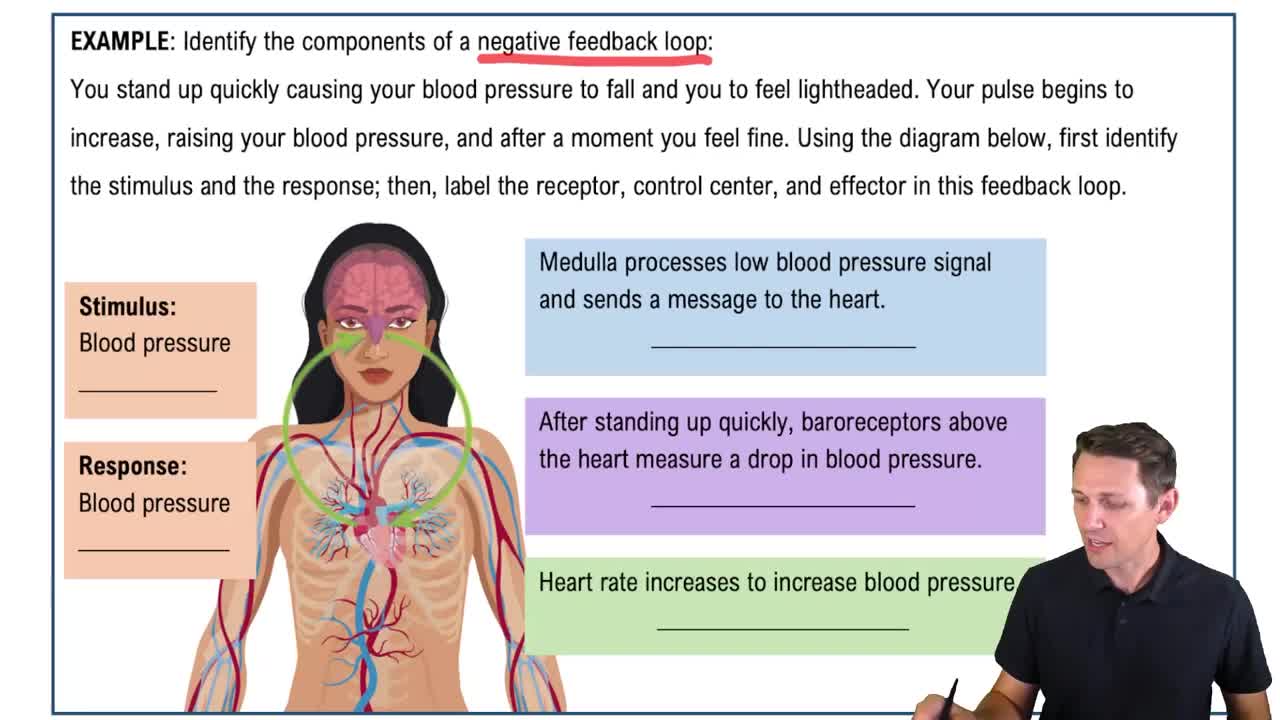
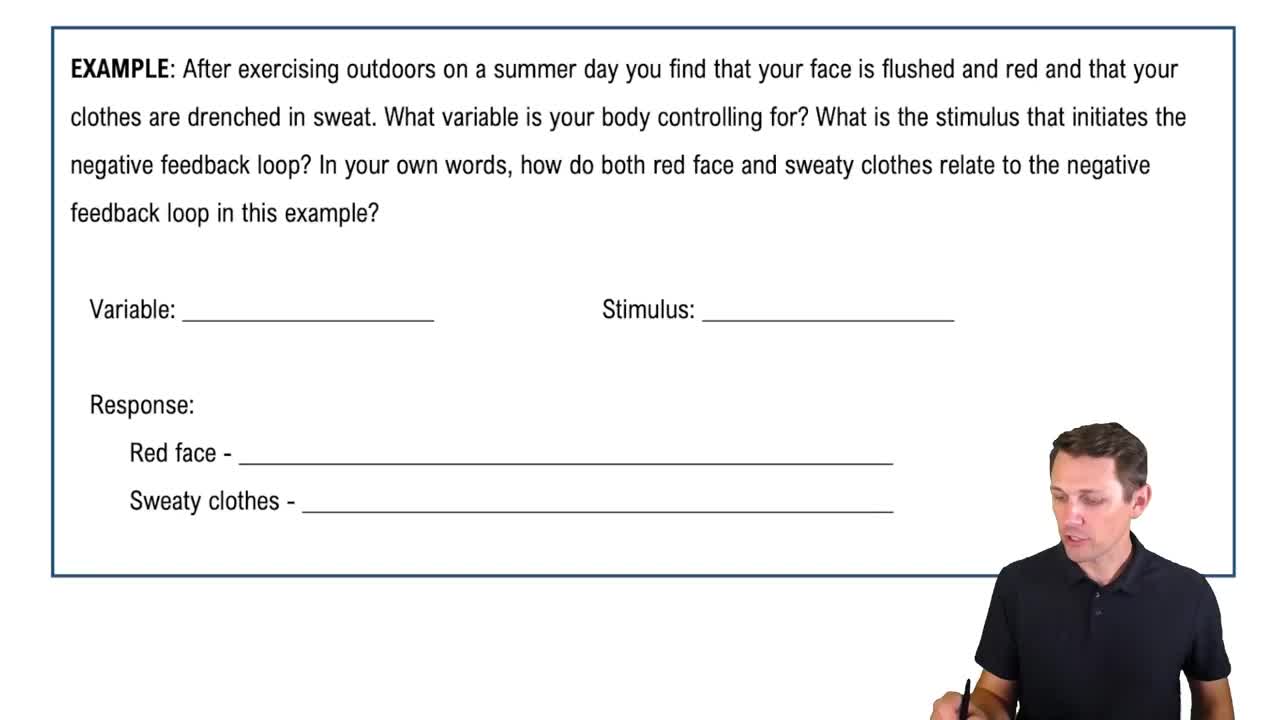
Negative feedback is a control mechanism that reverses a change to maintain homeostasis, such as regulating blood pressure or ventilation rate.
Positive feedback amplifies a response, like during blood clotting or childbirth contractions.
Cardiac output is the volume of blood the heart pumps per minute, calculated as stroke volume multiplied by heart rate.
Stroke volume is the amount of blood ejected by the left ventricle in one contraction.
EDV is the volume of blood in the ventricle at the end of filling (diastole).
ESV is the volume of blood remaining in the ventricle after contraction (systole).
MAP is the average pressure in arteries during one cardiac cycle, influencing blood flow.
Determined by capillary hydrostatic pressure, interstitial fluid osmotic pressure, capillary osmotic pressure, and interstitial fluid hydrostatic pressure.
Agglutinogens are antigens on red blood cells that determine blood type, such as A, B, and Rh factors.
Agglutinins are antibodies in plasma that react against foreign agglutinogens during blood transfusions.
Blood flows from the vena cava → right atrium → right ventricle → pulmonary artery → lungs → pulmonary veins → left atrium → left ventricle → aorta.
Elastic arteries conduct blood; muscular arteries distribute blood; arterioles regulate flow into capillaries.
Includes the SA node, AV node, bundle of His, bundle branches, and Purkinje fibers, coordinating heart contractions.
Flow = Pressure / Resistance; blood and air flow depend on pressure gradients and resistance factors like vessel diameter.
Non-specific resistance includes barriers and inflammation; immunity involves specific responses like antibodies and T cells.
The complement system enhances immune responses by promoting inflammation, opsonization, and cell lysis.
Also called humoral immunity, it involves B cells producing antibodies to neutralize pathogens.
Involves T cells attacking infected or abnormal cells directly.
O2 is mostly bound to hemoglobin; CO2 is transported dissolved, as bicarbonate, or bound to hemoglobin.
Blood consists of plasma and formed elements: erythrocytes, leukocytes, and platelets, each with specific functions.
Hemostasis stops bleeding via vascular spasm, platelet plug formation, and coagulation.
Intrinsic pathway is activated by damage inside vessels; extrinsic pathway is triggered by external trauma.
Shows hemoglobin's affinity for O2; factors like pH, CO2, temperature shift the curve affecting O2 release.
P wave: atrial depolarization; QRS complex: ventricular depolarization; T wave: ventricular repolarization.
Includes systole and diastole phases; valves open and close due to pressure changes causing heart sounds.
Preload is ventricular filling pressure; afterload is resistance the heart must pump against.
Inotropic effect changes contractility; chronotropic effect changes heart rate.
Cardiac output = stroke volume × heart rate (\(CO=SV\times HR\)).
Include blood pressure, filtration pressure, and autoregulation mechanisms in the kidneys.
In the nephron, it concentrates urine by creating an osmotic gradient in the medulla.