 Back
BackAnatomy & Physiology: Human Body Organization and Systems
 3:06
3:06
Terms in this set (31)
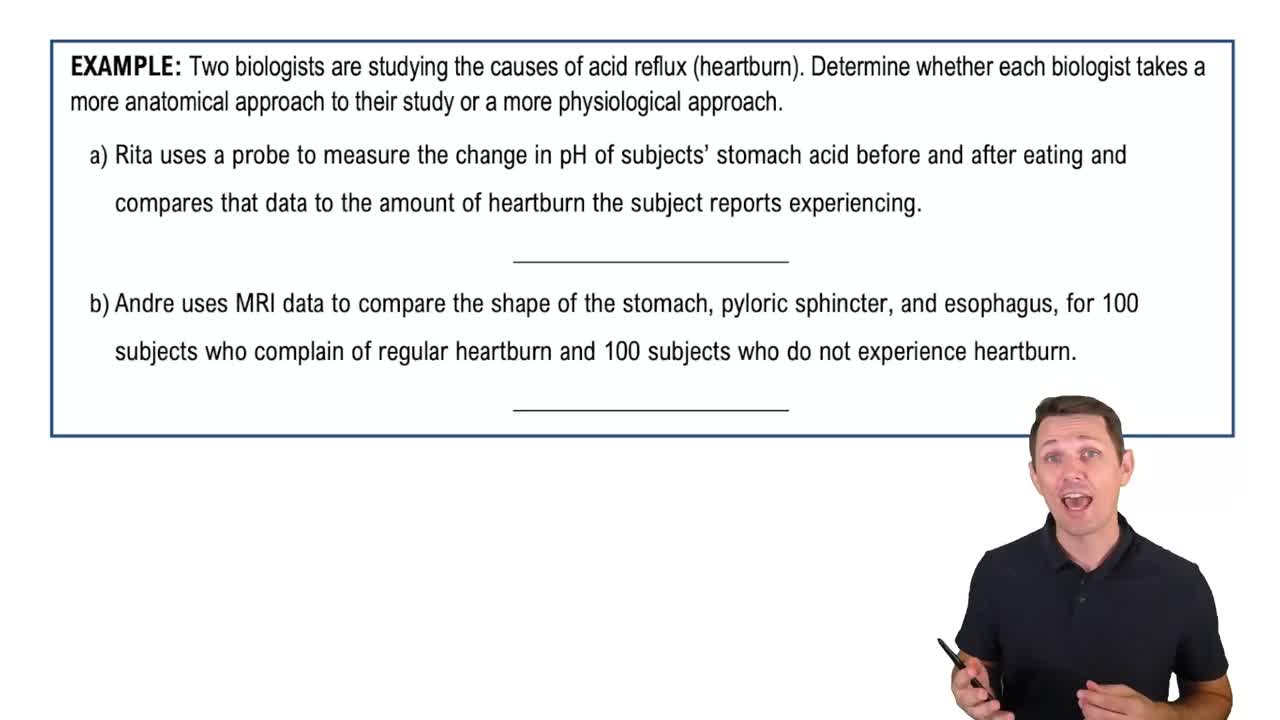
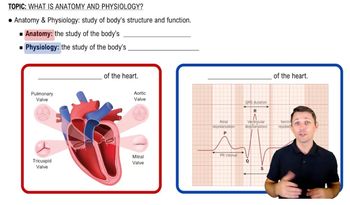
Anatomy is the study of the structure of body parts and their relationships to each other.
Physiology is the study of the function of the body and its parts.
Chemical, Cellular, Tissue, Organ, Organ system, and Organism levels.
Cells are the smallest units of life.
Protects the body, waterproofs, cushions deeper tissues, produces vitamin D, excretes salts, regulates temperature, and houses nerve receptors.
Provides muscle attachment for movement, protects organs, forms blood cells, and stores minerals.
Skeletal muscles contract to produce movement and generate heat.
Returns leaked fluids to bloodstream, cleanses blood, and houses white blood cells for immunity.
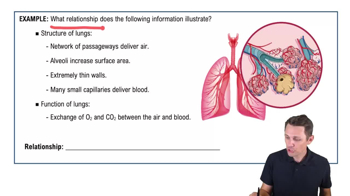
Exchanges gases with blood, supplies oxygen, and removes carbon dioxide.
Eliminates nitrogenous wastes, maintains acid-base balance, regulates water and electrolytes, and helps control blood pressure.
Fast-acting control system that responds to stimuli, processes information, and activates muscles and glands.
Secretes hormones that regulate growth, reproduction, and nutrient use.
Pumps and transports blood carrying oxygen, carbon dioxide, nutrients, hormones, and immune cells.
Breaks down food, absorbs nutrients into blood, and eliminates indigestible material as feces.
Produces sperm and transports it to the exterior.
Produces eggs and provides a site for fetal development.
The state of maintaining a stable internal environment despite external changes.
Receptor (sensor), Control center (analyzes input), and Effector (carries out response).
A response that reduces or turns off the original stimulus to maintain balance.
A response that enhances or increases the original stimulus, such as in labor or blood clotting.
Standing upright, facing forward, arms at sides, palms facing forward.
Superior means toward the head; Inferior means toward the lower part of the body.
Anterior is toward the front; Posterior is toward the back of the body.
Medial is toward the midline; Lateral is away from the midline.
Proximal is closer to the origin of a body part; Distal is farther from the origin.
Sagittal (divides left and right), Frontal (divides front and back), and Transverse (divides top and bottom).
Dorsal cavity (protects nervous system) and Ventral cavity (contains most organs).
Cranial cavity (brain) and Spinal cavity (spinal cord).
Thoracic cavity (lungs, heart) and Abdominopelvic cavity (abdominal and pelvic organs).
Right and Left Hypochondriac, Epigastric, Right and Left Lumbar, Umbilical, Right and Left Iliac, Hypogastric.
Right Upper, Left Upper, Right Lower, and Left Lower quadrants.