 Back
BackAnatomy & Physiology: Human Body Orientation and Homeostasis
 3:06
3:06
Terms in this set (28)
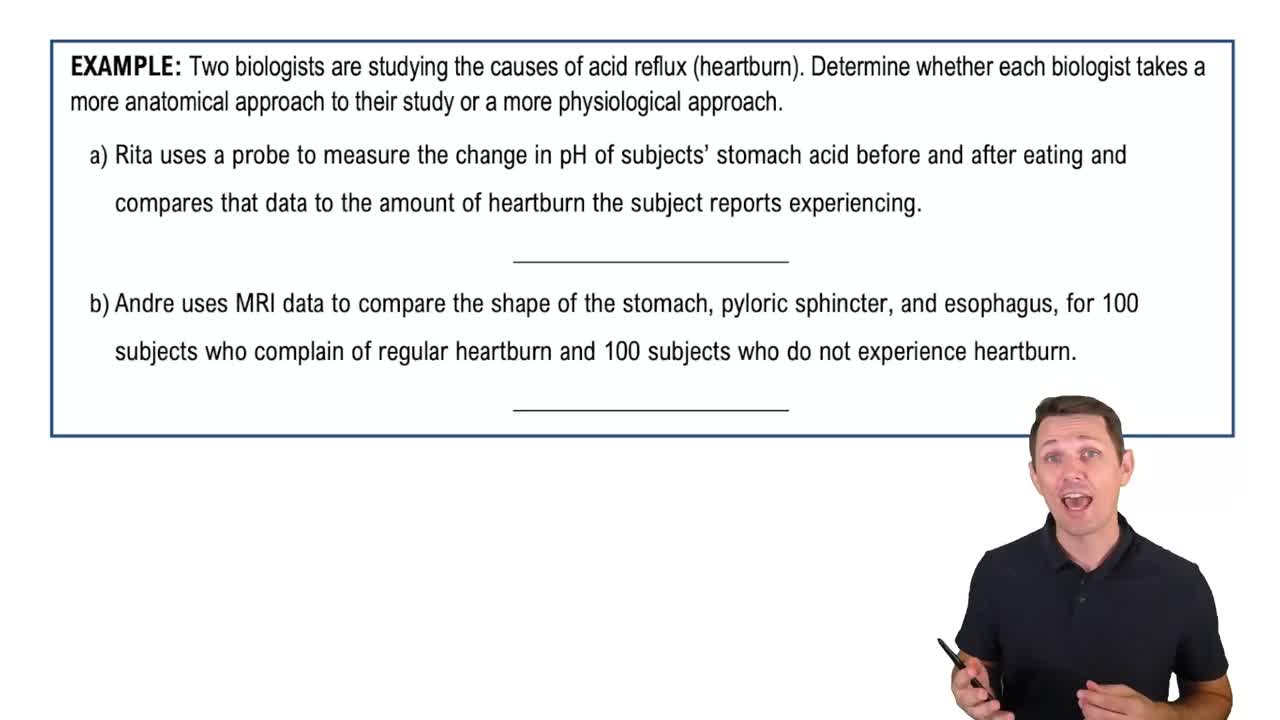
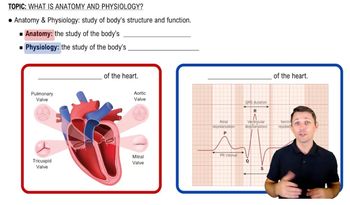
Anatomy is the study of the structure of the body and how its parts are arranged.
Gross (macroscopic), Microscopic (cytology and histology), and Developmental (embryology).
Physiology is the study of the function of the body and how its parts work.
Complementarity of Structure and Function, Hierarchy of Organization, and Homeostasis.
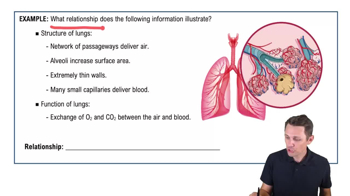
Function always reflects structure; what a structure can do depends on its specific form.
Chemical, Cellular, Tissue, Organ, Organ System, Organismal.
Maintaining boundaries, movement, responsiveness, digestion, metabolism, excretion, reproduction, and growth.
Maintenance of relatively stable internal conditions despite continuous changes in the environment; a dynamic state of equilibrium.
Stimulus, Receptor, Control Center, and Effector.
A response that reduces or shuts off the original stimulus to maintain homeostasis, e.g., regulation of body temperature.
A response that enhances or exaggerates the original stimulus, usually controlling infrequent events like blood clotting or labor contractions.
Nutrients, oxygen, water, normal body temperature, and appropriate atmospheric pressure.
Protects against environmental hazards, helps regulate body temperature, and provides sensory information.
Provides support and protection, stores minerals, and forms blood cells.
Provides movement, protection, support, and generates heat to maintain body temperature.
Directs immediate responses to stimuli, coordinates activities of other organ systems, and provides sensory information.
Directs long-term changes in other organ systems, adjusts metabolic activity, and controls development.
Distributes blood cells, nutrients, oxygen, carbon dioxide, and heat throughout the body.
Defends against infection, returns tissue fluids to the bloodstream, and houses immune cells.
Supplies oxygen to the blood, removes carbon dioxide, and produces sounds for communication.
Processes and digests food, absorbs nutrients and water, and stores energy reserves.
Eliminates nitrogenous wastes, controls water balance, stores urine, and regulates blood ion concentrations and pH.
Produces male sex cells (sperm), suspending fluids, hormones, and facilitates sexual intercourse.
Produces female sex cells (oocytes), supports embryo development, provides milk, and facilitates sexual intercourse.
Organ systems cooperate and depend on each other to meet the survival needs of cells and maintain homeostasis.
They communicate via nerve impulses and hormones to monitor and regulate body functions.
Regulation of body temperature by the hypothalamus activating sweat glands and blood vessel dilation.
Blood clotting where platelets release chemicals that attract more platelets to the injury site.