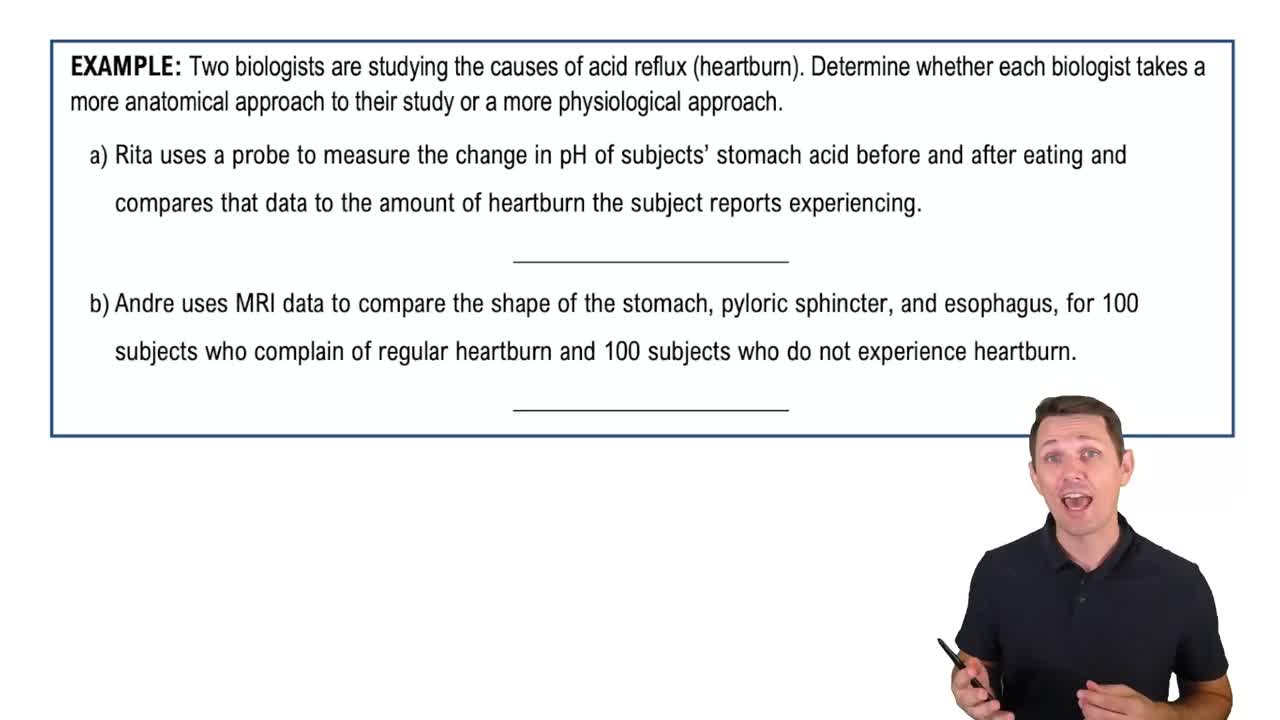
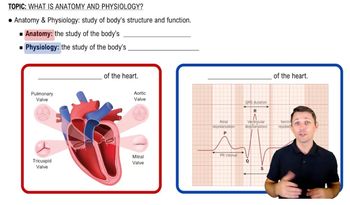
What is the difference between anatomy and physiology?
Anatomy is the study of the body's structure, while physiology is the study of the body's function.
What is the principle of complementarity in anatomy and physiology?
Structure exists to perform a function. To understand why an organ is shaped a certain way, you must understand what it does, and vice versa.
List the levels of organization in the human body from smallest to largest.
Atomic and molecular, cellular, tissue, organ, organ system, organism.
What is homeostasis?
Maintenance of a stable internal environment within a narrow range or set-point despite external changes.
What are the two main types of feedback loops that control homeostasis?
Negative feedback moves the system toward the set point, maintaining homeostasis. Positive feedback moves the system away from the set point, amplifying changes.
Give an example of a negative feedback loop in the human body.
Body temperature regulation: sweating to cool down when hot, shivering to warm up when cold.
Give an example of a positive feedback loop in the human body.
Labor contractions: oxytocin release increases contractions, which increases oxytocin release until delivery.
What is anatomical position and why is it important?
A standardized body position: standing upright, face forward, feet shoulder-width apart, palms facing forward. It provides a consistent reference for anatomical terminology.
Define the directional terms: superior and inferior.
Superior means toward the head or upper part of the body; inferior means toward the feet or lower part.
Define the directional terms: anterior and posterior.
Anterior means toward the front of the body; posterior means toward the back.
What do the terms medial and lateral mean?
Medial means toward the midline of the body; lateral means away from the midline.
What is the difference between proximal and distal?
Proximal means closer to the point of attachment of a limb; distal means farther from the point of attachment.
What are the three main anatomical planes?
Frontal (divides front and back), sagittal (divides left and right), and transverse (divides top and bottom).
 Back
Back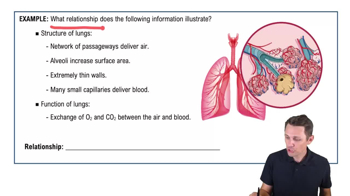
 3:06
3:06