What is the difference between anatomy and physiology?
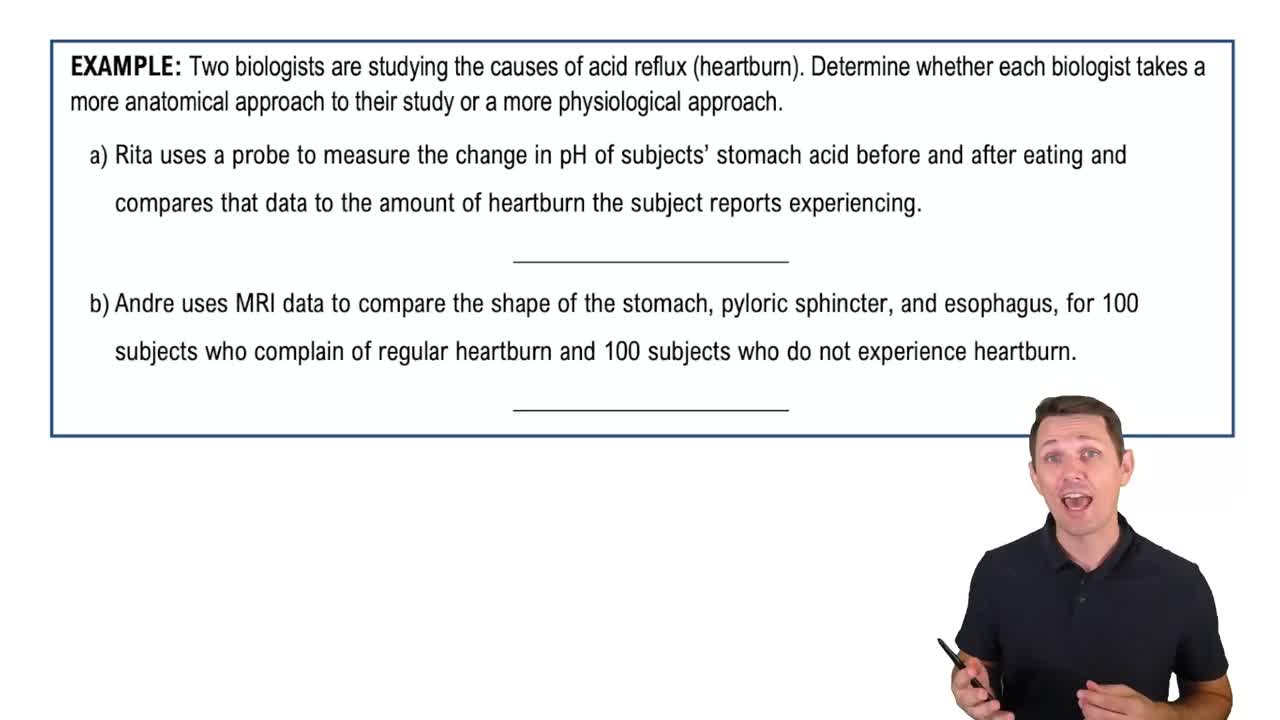
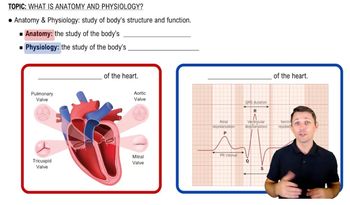
Anatomy is the study of the body’s structure, while physiology is the study of the body’s function.
What is the principle of complementarity in anatomy and physiology?
Structure exists to perform a function. To understand why an organ is shaped a certain way, you must understand what it does, and vice versa.
List the levels of organization in the human body from smallest to largest.
Atomic and molecular level, cellular level, tissue level, organ level, organ system level, organism level.
What is anatomical variation and why is it important?
Anatomical variation refers to differences in body structures among individuals. It is important because textbooks show a 'standard' body, but variations can affect medical procedures.
What is the anatomical position?
Body upright, face forward, feet shoulder-width apart, toes forward, arms at sides, palms facing forward. Left and right refer to the body's own left and right.
Define the terms anterior, posterior, ventral, and dorsal.
Anterior: toward the front; Posterior: toward the back; Ventral: toward the belly; Dorsal: toward the back. In humans, anterior and ventral are the same.
What do medial, lateral, ipsilateral, and contralateral mean?
Medial: toward the midline; Lateral: away from the midline; Ipsilateral: same side; Contralateral: opposite side.
Explain proximal and distal in relation to limbs.
Proximal: closer to the limb's attachment point; Distal: farther from the limb's attachment point.
What do superficial and deep describe?
They describe depth within the body. Superficial means closer to the surface; Deep means farther from the surface.
Maintenance of a stable internal environment within narrow limits despite external changes.
What are negative and positive feedback loops?
Negative feedback opposes changes to maintain homeostasis. Positive feedback amplifies changes, moving the system away from set point.
Give an example of a negative feedback loop.
Body temperature regulation: If body temperature rises, sweating cools the body; if it falls, shivering generates heat.
Give an example of a positive feedback loop.
Labor contractions: Oxytocin release causes contractions, which increase pressure on the cervix, causing more oxytocin release.
What are the three components of a negative feedback loop?
Receptor: detects change; Control center: processes info and signals response; Effector: carries out response to restore set point.
What is the function of the thoracic cavity?
Houses the heart and lungs, protected by the rib cage and sternum.
What organs are found in the abdominopelvic cavity?
Abdominal cavity contains digestive organs and kidneys; pelvic cavity contains bladder and internal reproductive organs.
What is the difference between the peritoneal cavity and retroperitoneum?
Peritoneal cavity is a serous membrane-bound space surrounding most abdominal organs; retroperitoneum is behind the peritoneum housing kidneys, pancreas, and rectum.
Why is anatomical position important in medicine?
It provides a consistent reference for describing body parts and directions, minimizing errors and improving communication.
What is bilateral symmetry in humans?
The body has mirror-image left and right sides, except for some internal organs.
 Back
Back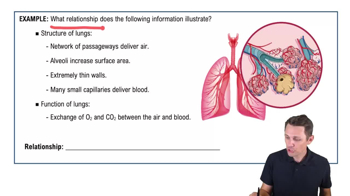
 3:06
3:06