 Back
BackAnatomy & Physiology: Introduction to the Body
 3:06
3:06
Terms in this set (25)
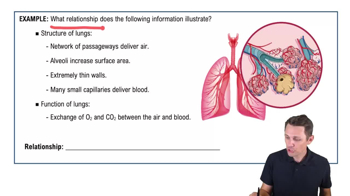
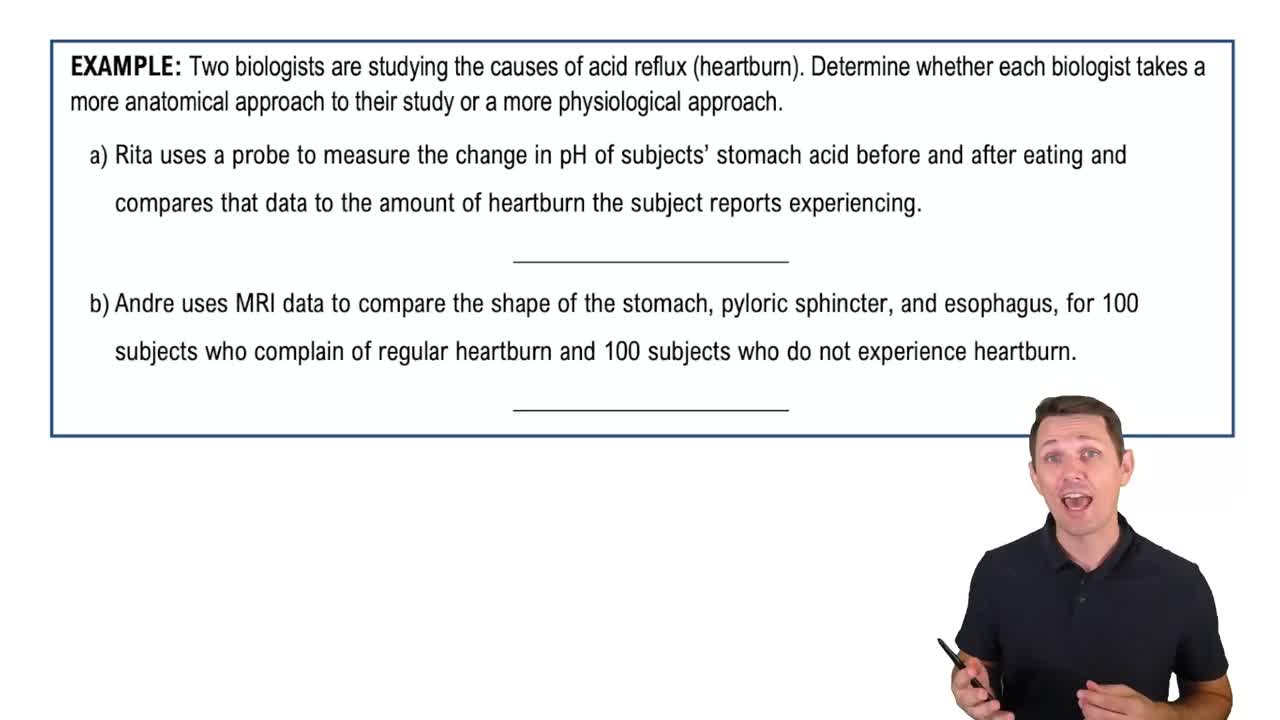
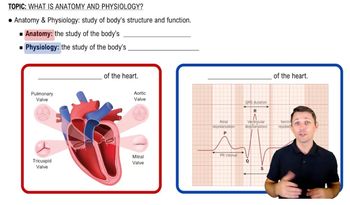
Anatomy is the study of the structure of an organism and the relationships of its parts.
Physiology is the study of the functions of living organisms and their parts.
Pathology is the scientific study of disease.
Atoms and molecules (chemical level), cells, tissues, organs, systems, organism.
The body standing erect, feet slightly apart, arms at sides, palms facing forward; used as a reference for directional terms.
Superior means toward the head, upper, or above.
Inferior means toward the feet, lower, or below.
Anterior means front or in front of; same as ventral in humans.
Posterior means back or in back of; same as dorsal in humans.
Medial means toward the midline; lateral means away from the midline or toward the side.
Proximal means nearer the trunk or point of origin; distal means farther from the trunk or point of origin.
Superficial means nearer the body surface; deep means farther from the body surface.
A lengthwise plane dividing the body into right and left sections.
A sagittal plane dividing the body into two equal right and left halves.
A lengthwise plane dividing the body into anterior and posterior sections.
A horizontal plane dividing the body into upper and lower sections.
Dorsal cavity (cranial and spinal cavities) and ventral cavity (thoracic and abdominopelvic cavities).
The brain is contained within the cranial cavity.
The heart, trachea, esophagus, thymus, and blood vessels in the mediastinum; lungs in pleural cavities.
The abdominal cavity contains the stomach, intestines, liver, gallbladder, pancreas, and spleen; the pelvic cavity contains reproductive organs, urinary bladder, and lowest part of intestine.
Axial region includes head, neck, and torso; appendicular region includes upper and lower extremities.
Homeostasis is the maintenance of a relative constancy of the internal environment.
A sensor detects change, a control center processes information, and an effector produces a response.
Negative feedback reverses a change to maintain homeostasis; positive feedback amplifies a change, often to complete a process.
Uterine contractions during childbirth increase in strength and frequency due to positive feedback.