 Back
BackAnatomy & Physiology Key Terms
 3:06
3:06
Terms in this set (35)
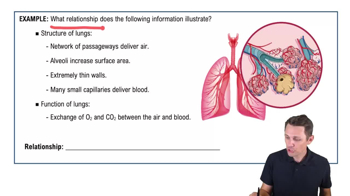
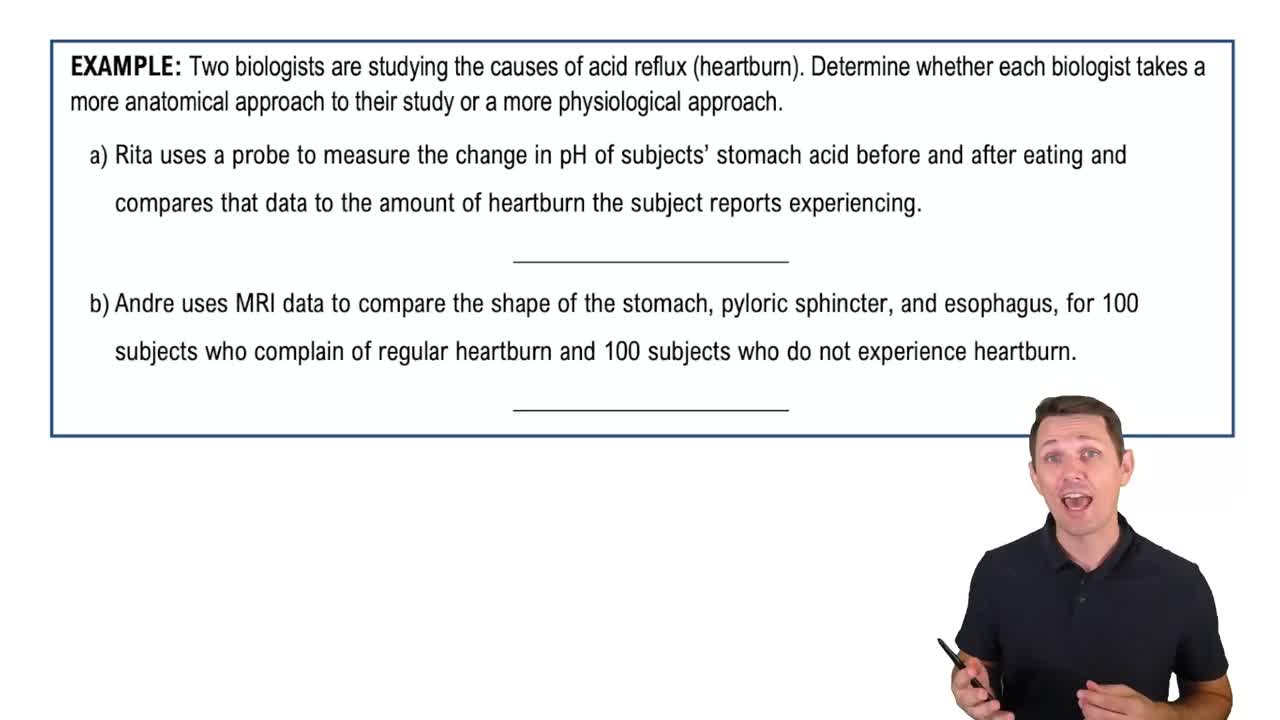
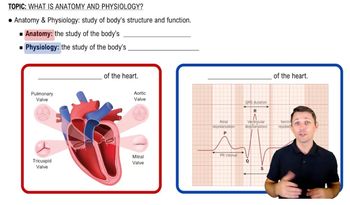
Anatomy is the study of the structure and shape of the body and its parts.
Physiology is the study of how the body and its parts function.
Metabolism refers to all chemical reactions that occur within the body to maintain life.
Catabolism is the breakdown of complex molecules into simpler ones, releasing energy.
Anabolism is the synthesis of complex molecules from simpler ones, requiring energy.
Responsiveness is the ability of an organism to detect and respond to changes in its environment.
An atom is the smallest unit of matter that retains the properties of an element.
A molecule is two or more atoms bonded together.
A cell is the basic structural and functional unit of life.
Tissues are groups of similar cells that perform a common function.
An organ is a structure composed of two or more tissue types working together.
An organ system is a group of organs that work together to perform a specific function.
An organism is a living individual made up of organ systems.
Anterior means toward the front of the body.
Posterior means toward the back of the body.
Ventral refers to the belly side or front of the body.
Dorsal refers to the back side of the body.
Thoracic relates to the chest region of the body.
Abdominopelvic refers to the abdominal and pelvic regions combined.
Mediastinum is the central compartment of the thoracic cavity between the lungs.
Serous membranes line body cavities and cover organs, producing lubricating fluid.
Pleura is the serous membrane surrounding the lungs.
Pericardium is the serous membrane enclosing the heart.
Peritoneum is the serous membrane lining the abdominal cavity and covering abdominal organs.
Visceral refers to the layer of a serous membrane that covers an organ.
Parietal refers to the layer of a serous membrane that lines the body cavity.
Homeostasis is the maintenance of a stable internal environment despite external changes.
Negative feedback is a control mechanism that reverses a change to maintain homeostasis.
Positive feedback amplifies a change, moving the system further from its starting state.
A receptor detects changes in the environment and sends information to the control center.
An effector carries out the response to restore homeostasis.
Set point is the ideal value or range that a physiological variable is maintained at.
A gradient is a difference in chemical concentration, electrical charge, temperature, or pressure between two points.
Neurotransmitters are chemical messengers that transmit signals across a synapse between neurons.
Hormones are chemical messengers secreted by glands that regulate body functions.