 Back
BackAnatomy & Physiology Module 01 Study Guide
 3:06
3:06
Terms in this set (37)
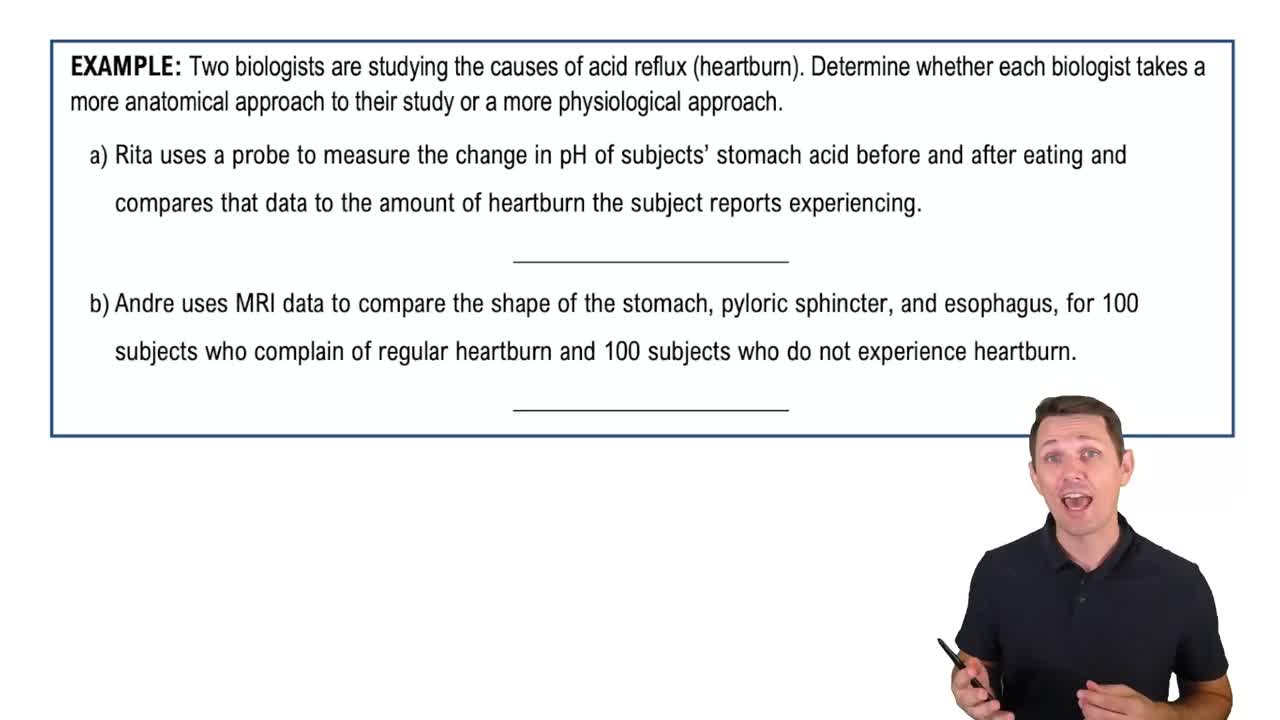
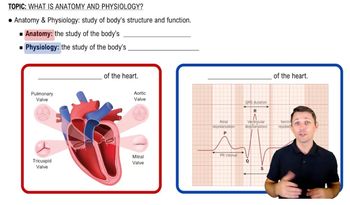
Anatomy is the study of the structure of body parts and their relationships to one another.
1) Gross anatomy – study of structures visible to the naked eye.
2) Microscopic anatomy – study of cells and tissues using a microscope.
3) Developmental anatomy – study of structural changes across the lifespan.
Physiology is the study of the function of the body and how its parts work together.
Examples include cell physiology, systemic physiology, and pathophysiology.
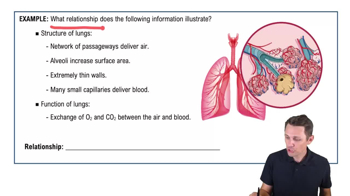
Structure determines function.
The shape of red blood cells (biconcave) allows them to carry oxygen efficiently.
1) Chemical – atoms/molecules
2) Cellular – cells
3) Tissue – groups of similar cells
4) Organ – composed of tissues
5) Organ system – organs working together
6) Organism – entire living being
Organs: skin, hair
Functions: protection, temperature regulation
Organs: bones, cartilage
Functions: support, protection, blood cell production
Organs: skeletal muscles, tendons
Functions: movement, posture maintenance
Organs: brain, spinal cord
Functions: control and communication, response to stimuli
Organs: glands (e.g., thyroid, adrenal)
Functions: hormone production, regulation of body processes
Organs: heart, blood vessels
Functions: transport of nutrients and oxygen
Organs: lymph nodes, spleen
Functions: immunity, fluid balance
Organs: lungs, trachea
Functions: gas exchange, oxygen supply
Organs: stomach, intestines
Functions: digestion and absorption of nutrients
Organs: kidneys, bladder
Functions: waste elimination, fluid balance
Organs: ovaries/testes, uterus
Functions: reproduction and hormone production
Examples include metabolism, responsiveness, movement, growth, differentiation, reproduction, and maintaining homeostasis.
Homeostasis is the maintenance of a stable internal environment despite external changes.
It ensures optimal conditions for cellular function and survival.
Set point: ideal value for a variable.
Acceptable range: range around the set point.
Regulated variable: variable monitored.
Controlled variable: variable adjusted to maintain balance.
Stimulus → Receptor → Control center → Effector → Response
Negative feedback: reverses stimulus, common, e.g., body temperature regulation.
Positive feedback: enhances stimulus, less common, e.g., blood clotting.
Body standing upright, facing forward, feet flat, arms at sides with palms facing forward.
From the patient's or subject's perspective, not the observer's.
Superior: toward the head.
Inferior: toward the feet.
Anterior: front of the body.
Posterior: back of the body.
Medial: toward the midline.
Lateral: away from the midline.
Proximal: closer to the point of attachment.
Distal: farther from the point of attachment.
Superficial: toward or on the surface.
Deep: away from the surface, internal.
RUQ: liver
LUQ: stomach
RLQ: appendix
LLQ: large intestine
Sagittal plane: divides body into left and right.
Frontal (coronal) plane: divides body into front and back.
Transverse plane: divides body into top and bottom.
Dorsal cavity: cranial and spinal cavities.
Ventral cavity: thoracic and abdominopelvic cavities.
Dorsal: brain, spinal cord.
Ventral: heart, lungs.
The cutaneous membrane is the skin; it protects the body and prevents water loss.
Mucous membranes line body cavities open to the exterior and secrete mucus for protection and lubrication.
Serous membranes line closed body cavities and secrete fluid to reduce friction between organs.
Synovial membranes line joint cavities and produce synovial fluid for lubrication.