Skip to main content
Anatomy & Physiology
My Course
Learn
Exam Prep
AI Tutor
Study Guides
Textbook Solutions
Flashcards
Explore
Try the app
My Course
Learn
Exam Prep
AI Tutor
Study Guides
Textbook Solutions
Flashcards
Explore
Try the app
Back
Anatomy & Physiology Practical 2 Key Terms
You can tap to flip the card.
Osteoblast
You can tap to flip the card.
👆
Osteoblast
A cell that synthesizes and secretes the organic components of bone matrix, responsible for bone formation.
Track progress
Control buttons has been changed to "navigation" mode.
1/28
Recommended videos
Guided course
01:07
Introduction to Thermoregulation
12296
views
254
rank
Guided course
05:07
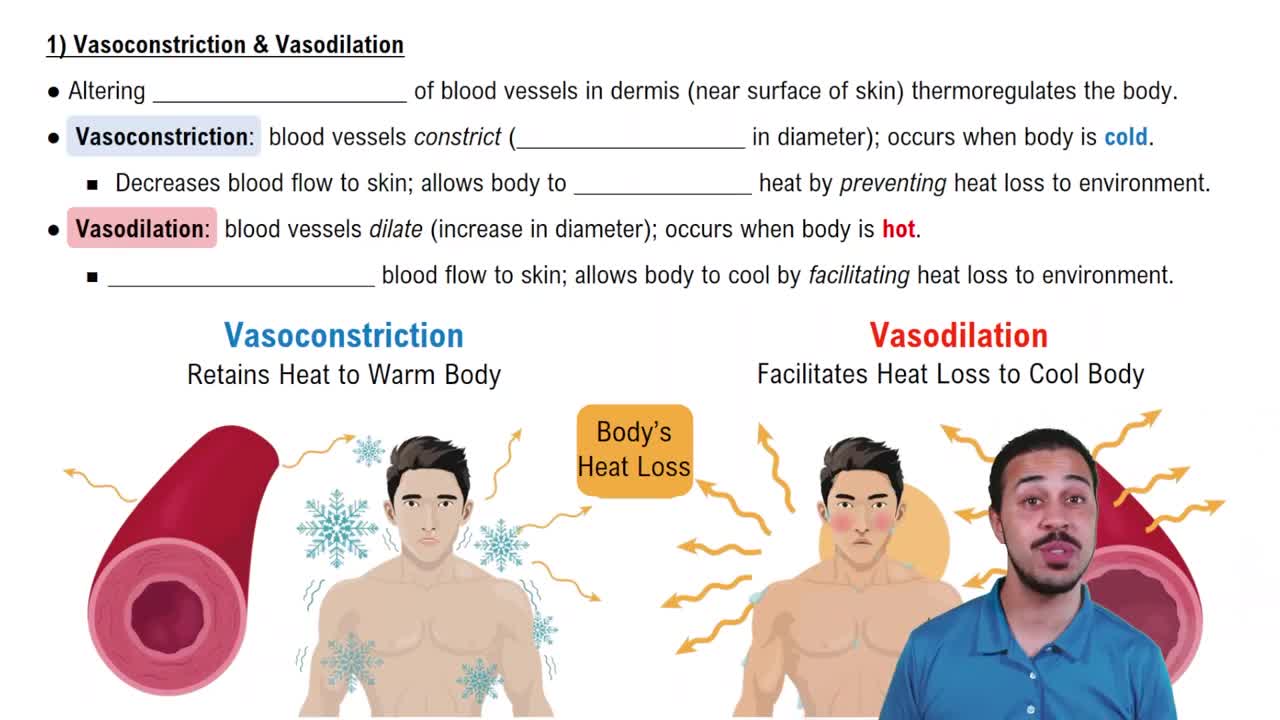
Vasoconstriction & Vasodilation
12703
views
231
rank
1
comments
Guided course
02:00
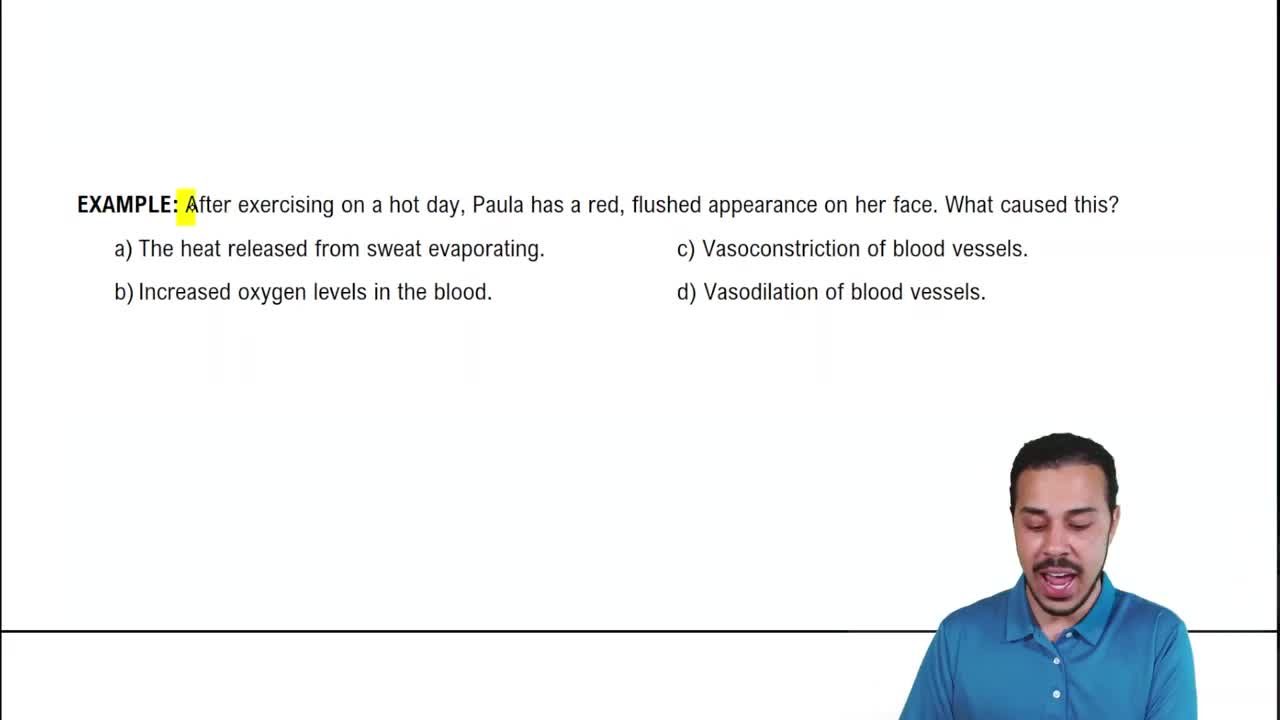
Integumentary System: Thermoregulation Example 1
9046
views
174
rank
1
comments
Terms in this set (28)
Hide definitions
Osteoblast
A cell that synthesizes and secretes the organic components of bone matrix, responsible for bone formation.
Osteocyte
A mature bone cell that maintains the bone matrix and resides in lacunae.
Osteoclast
A large multinucleated cell that breaks down bone tissue during bone resorption.
Compact bone
Dense bone tissue that forms the outer layer of bones, providing strength and protection.
Spongy bone
Porous bone tissue found inside bones, containing trabeculae and bone marrow.
Stratum basale
The deepest layer of the epidermis where keratinocytes are produced.
Stratum spinosum
The epidermal layer above the stratum basale, characterized by keratinocytes connected by desmosomes.
Stratum granulosum
The epidermal layer where keratinocytes begin to die and accumulate keratohyalin granules.
Stratum corneum
The outermost layer of the epidermis composed of dead, keratinized cells that provide a protective barrier.
Periosteum
A dense layer of vascular connective tissue enveloping bones except at the surfaces of joints.
Endosteum
A thin vascular membrane lining the inner surface of the bone, including the medullary cavity.
Medullary cavity
The central cavity of bone shafts where yellow bone marrow is stored.
Epiphyseal plate
A hyaline cartilage plate in the metaphysis at each end of a long bone where growth occurs.
Epiphyseal line
The remnant of the epiphyseal plate, indicating where bone growth has ceased.
Trabeculae
The lattice-like network of bone tissue in spongy bone that supports and protects bone marrow.
Osteon
The fundamental functional unit of compact bone, consisting of concentric lamellae around a central canal.
Central canal
A channel in the center of an osteon containing blood vessels and nerves.
Lamellae
Concentric rings of calcified matrix in an osteon.
Lacunae
Small spaces between lamellae that house osteocytes.
Canaliculi
Tiny canals connecting lacunae, allowing communication and nutrient exchange between osteocytes.
Hair follicle
A tubular invagination of the epidermis that produces hair.
Arrector pili muscle
A small muscle attached to hair follicles that causes hair to stand erect when contracted.
Sebaceous (Oil) gland
A gland that secretes sebum to lubricate and waterproof the skin and hair.
Sweat gland
A gland that produces sweat to help regulate body temperature.
Dermal papillae
Projections of the dermis that interlock with the epidermis, increasing surface area for nutrient exchange.
Papillary layer
The upper layer of the dermis composed of loose connective tissue and dermal papillae.
Reticular layer
The deeper, thicker layer of the dermis composed of dense irregular connective tissue.
Keratinized stratified squamous epithelium
The type of epithelium forming the epidermis, characterized by layers of dead cells filled with keratin.
 BackBack

 01:07