 Back
BackAnatomy & Physiology Test 1 Study Guide (Ch 1-3)
 3:06
3:06
Terms in this set (30)
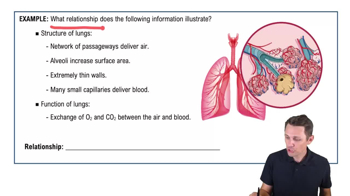
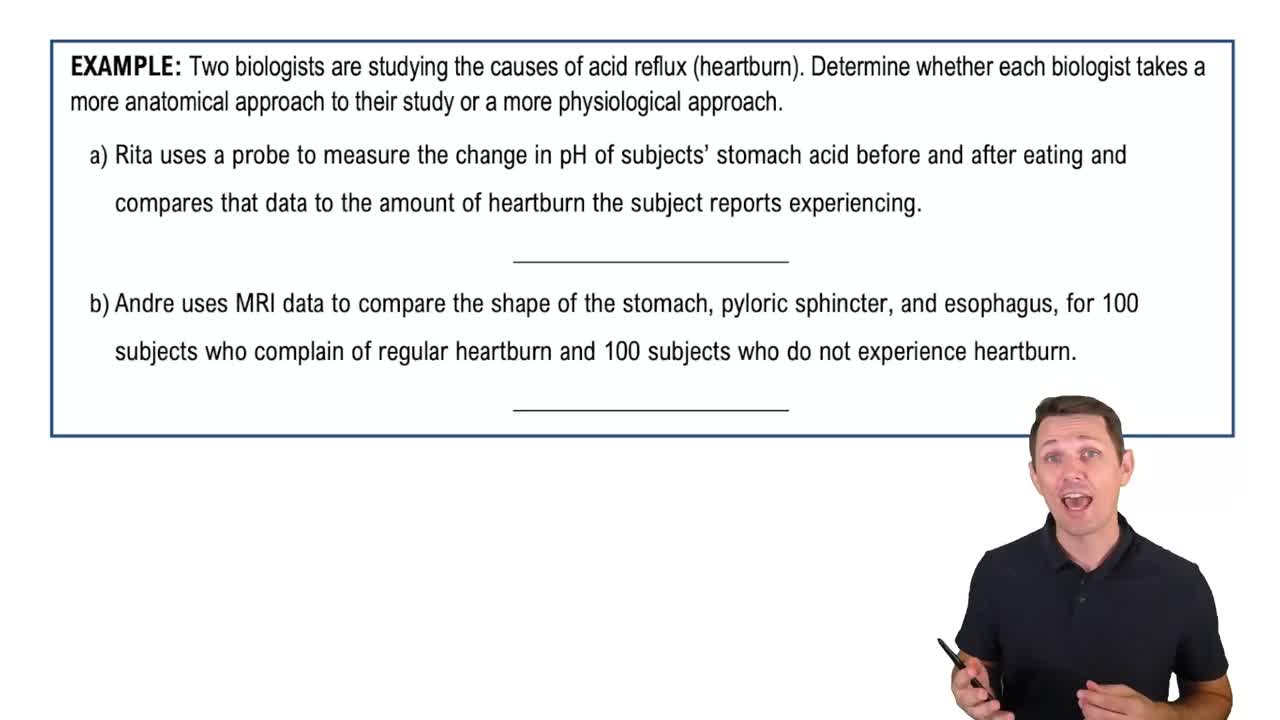
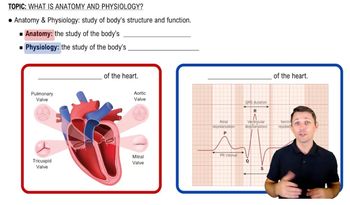
Anatomy is the study of body structure; physiology is the study of body function.
Body standing upright, facing forward, feet flat and slightly apart, arms at sides with palms facing forward.
Right hypochondriac, epigastric, left hypochondriac, right lumbar, umbilical, left lumbar, right iliac, hypogastric, left iliac.
Homeostasis is the body's ability to maintain a stable internal environment despite external changes.
Receptor, control center, and effector.
Negative feedback reverses a change to maintain stability; positive feedback amplifies a change to drive a process to completion.
Proximal means closer to the point of attachment; distal means farther from the point of attachment.
The brain and spinal cord (central nervous system) are located in the dorsal body cavity.
Protons (+), neutrons (neutral), electrons (-).
Atomic number = number of protons; atomic weight = protons + neutrons.
Electrons, especially those in the outer shell, determine chemical properties.
Ionic, covalent, and hydrogen bonds.
High heat capacity, cohesion, adhesion, solvent abilities, and surface tension.
Monosaccharides: single sugars (glucose); disaccharides: two sugars (sucrose); polysaccharides: many sugars (starch).
Saturated fats have no double bonds and are solid at room temp; unsaturated fats have double bonds and are liquid.
Carbohydrates (energy), lipids (energy storage), proteins (structure/function), nucleic acids (genetic info).
Adenine pairs with thymine; cytosine pairs with guanine.
Acid: pH < 7; neutral: pH = 7; base: pH > 7.
Proteins that act as biological catalysts to speed up chemical reactions without being consumed.
DNA is double-stranded with deoxyribose sugar; RNA is single-stranded with ribose sugar and uracil instead of thymine.
The cell is the basic structural and functional unit of all organisms.
The liquid interior of the cell, containing organelles and cytosol.
A phospholipid bilayer with hydrophilic heads facing outward and hydrophobic tails inward, containing proteins and cholesterol.
Hydrophilic: phosphate head; hydrophobic: fatty acid tails.
Nuclear envelope, nucleolus, chromatin (DNA and proteins).
Diffusion: movement of molecules from high to low concentration; osmosis: diffusion of water across a membrane.
Isotonic: equal solute concentration; hypertonic: higher solute outside; hypotonic: lower solute outside.
A group of similar cells performing a common function.
Epithelial (covering), connective (support), muscle (movement), nervous (control).
Endocrine glands secrete hormones into blood; exocrine glands secrete onto surfaces via ducts.