 Back
BackAnatomy & Physiology: Tetrodotoxin and Nervous Tissue Case Study
 03:35
03:35
Terms in this set (16)
Diaphoresis is excessive sweating, often a symptom of nervous system or systemic distress.
Motor dysfunction refers to impaired muscle movement or control due to nervous system problems.
Paresthesias are abnormal sensations such as tingling, numbness, or 'pins and needles'.
Cyanotic describes a bluish discoloration of the skin due to low oxygen levels in the blood.
Hypoventilating means breathing at an abnormally slow or shallow rate, leading to inadequate oxygen intake.
Bradycardia is a slower than normal heart rate, typically below 60 beats per minute in adults.
Gastric lavage is a medical procedure to wash out the contents of the stomach, often used in poisoning cases.
Oxygen saturation measures the percentage of hemoglobin binding sites in the bloodstream occupied by oxygen.
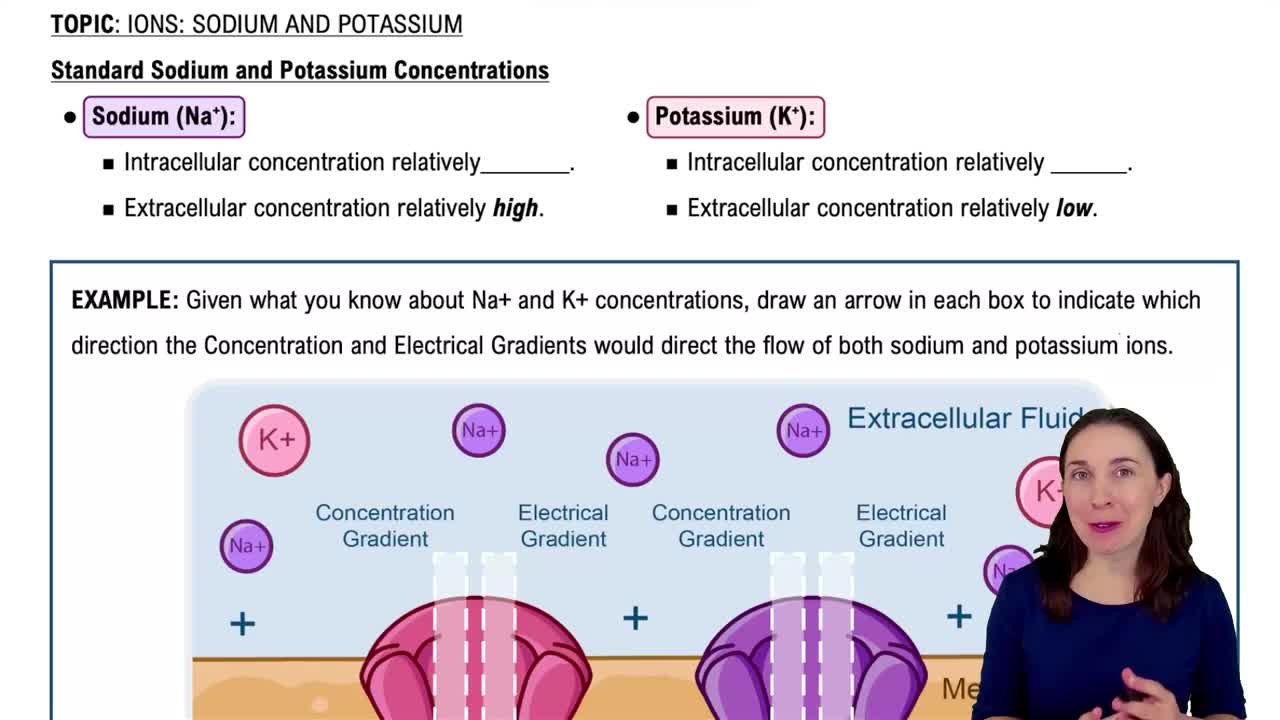
A voltage-gated sodium ion channel is a protein channel in neuron membranes that opens in response to voltage changes, allowing Na+ ions to enter and initiate action potentials.
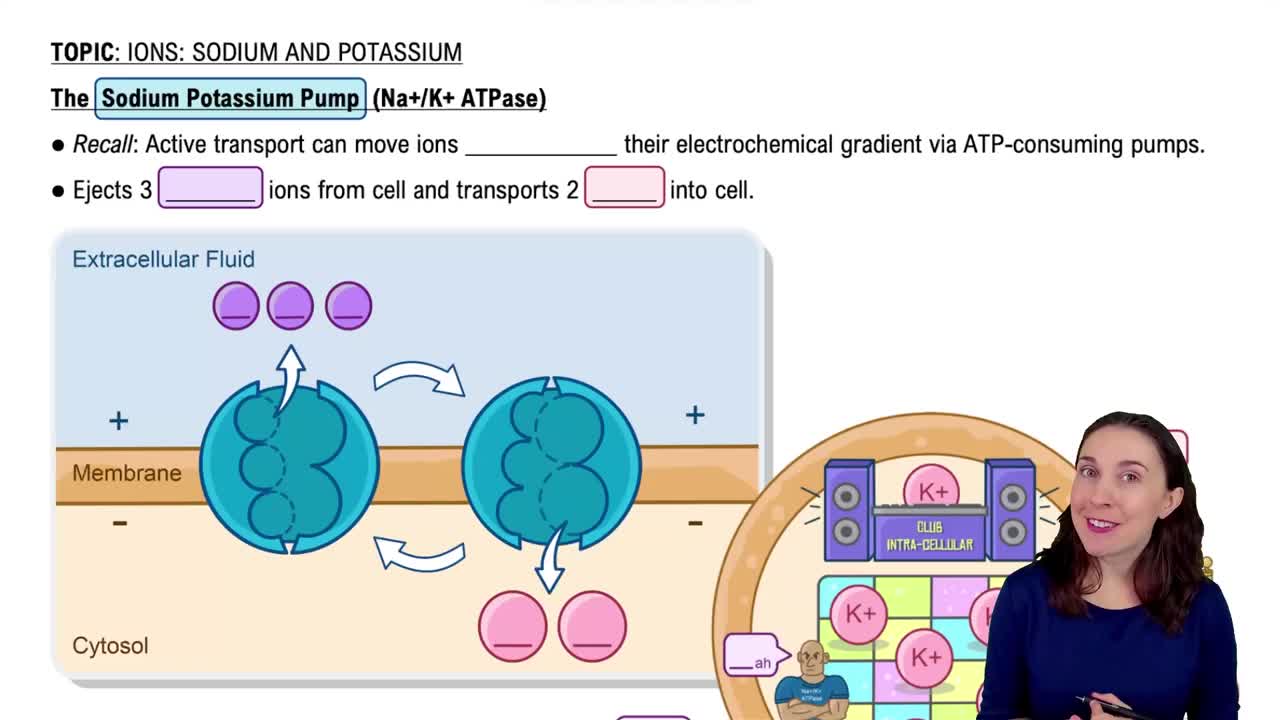
The resting membrane potential is the electrical charge difference across a neuron's membrane at rest, created by unequal ion distribution and maintained by ion pumps.
During an action potential, the neuron's membrane potential rapidly depolarizes and repolarizes, transmitting an electrical signal along the neuron.
The action potential allows neurons to communicate by transmitting electrical signals rapidly over long distances.
Sodium ions enter the neuron through voltage-gated sodium channels during depolarization, causing the rising phase of the action potential.
Tetrodotoxin blocks voltage-gated sodium channels, preventing sodium influx and thus stopping action potentials and neuron communication.
Numbness occurs because tetrodotoxin blocks nerve signals by inhibiting sodium channels, disrupting sensory neuron function.
Paralysis results because motor neurons cannot generate action potentials due to sodium channel blockage, preventing muscle contraction.