 Back
BackAnatomy & Physiology Unit I Study Guide pt. 1
 3:06
3:06
Terms in this set (22)
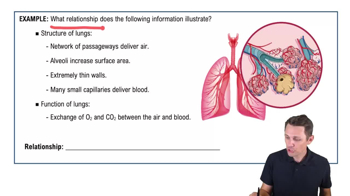
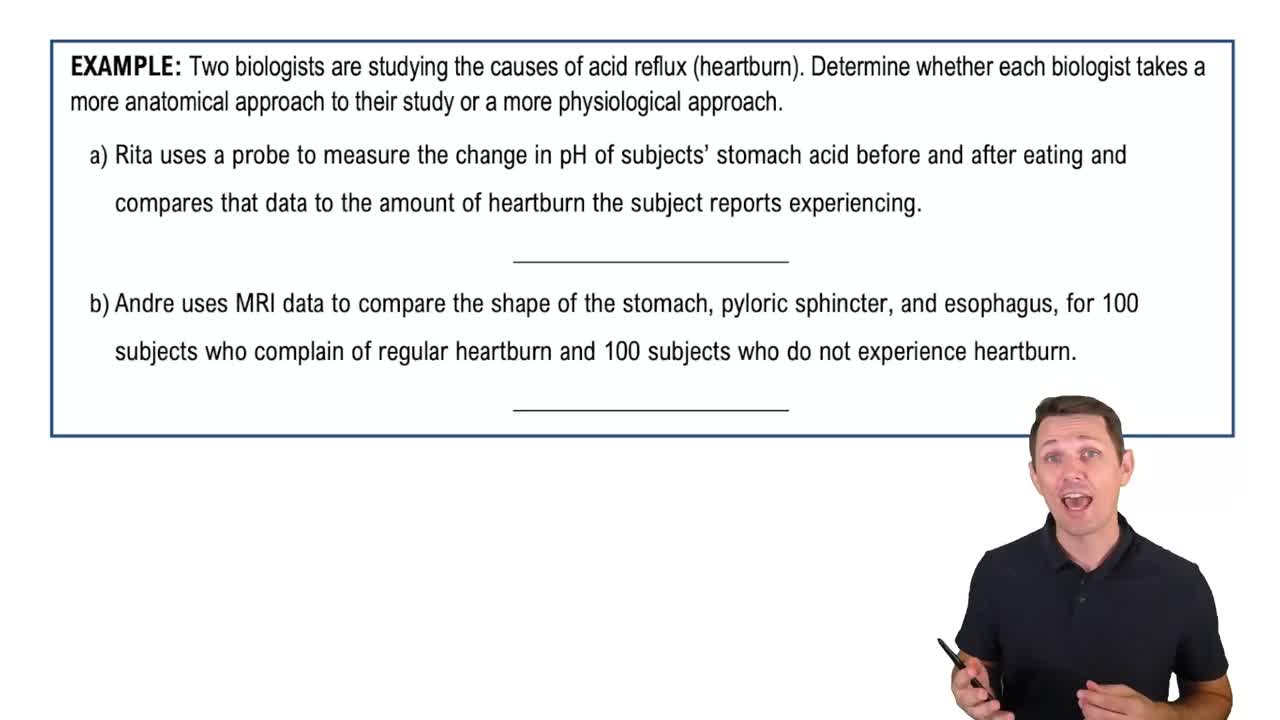
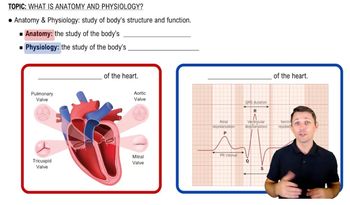
Anatomy is the study of body structure; Physiology is the study of body function. They are related because structure influences function.
Atom → Molecule → Organelle → Cell → Tissue → Organ → Organ system → Organism
Homeostasis is maintaining a stable internal environment. Components: receptors detect change, control center processes info, effectors respond to restore balance.
Negative feedback reverses a change (e.g., body temperature regulation). Positive feedback amplifies a change (e.g., blood clotting, childbirth contractions).
Word roots are basic meaningful parts. Prefixes modify meaning at the start. Suffixes modify meaning at the end of terms.
Coronal (frontal): divides front/back. Sagittal (midsagittal): divides left/right. Transverse: divides top/bottom.
Body standing upright, facing forward, arms at sides, palms forward. Terms: superior, inferior, anterior, posterior, medial, lateral, proximal, distal, etc.
Examples: Integumentary - protection; Skeletal - support; Muscular - movement; Cardiovascular - transport; Respiratory - gas exchange.
Body cavities: dorsal, ventral (thoracic, abdominopelvic). Abdominopelvic quadrants: right upper, left upper, right lower, left lower.
Carbohydrates (monosaccharides), Lipids (fatty acids), Proteins (amino acids), Nucleic acids (nucleotides).
Isotonic: equal solute concentration. Hypotonic: lower solute outside, causes cell swelling. Hypertonic: higher solute outside, causes cell shrinkage.
Diffusion: movement down concentration gradient. Osmosis: water diffusion. Facilitated diffusion: uses carrier proteins.
Pumps: move substances against gradient. Endocytosis: phagocytosis (cell eating), pinocytosis (cell drinking). Exocytosis: expels materials.
Plasma membrane: controls entry/exit. Nucleus: stores DNA. Mitochondria: energy production. Ribosomes: protein synthesis.
Epithelial: covers surfaces. Connective: supports (bone, blood). Muscular: movement (skeletal, smooth). Nervous: transmits signals.
Fibroblasts: produce fibers. Mast cells: inflammation. Macrophages: phagocytosis. Fibers: collagen, elastic, reticular.
Mucous: lines cavities open to outside. Serous: lines closed cavities. Cutaneous: skin. Synovial: joint cavities.
Protection, temperature regulation, sensation, vitamin D synthesis, excretion, and immunity.
Epidermis: stratum basale to stratum corneum. Dermis: papillary and reticular regions. Hypodermis: adipose tissue.
Hair: protection and sensation. Sebaceous glands: sebum production. Sweat glands: thermoregulation. Nails: protect fingertips.
Melanin (eumelanin and pheomelanin), carotene, and hemoglobin affect color.
Vitamin D3 is made in the skin under UV light and is essential for calcium absorption and bone health.