 Back
BackAPHY101 Chapter 1: Anatomy & Physiology Fundamentals
 3:06
3:06
Terms in this set (29)
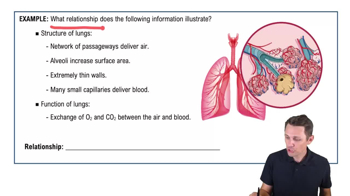
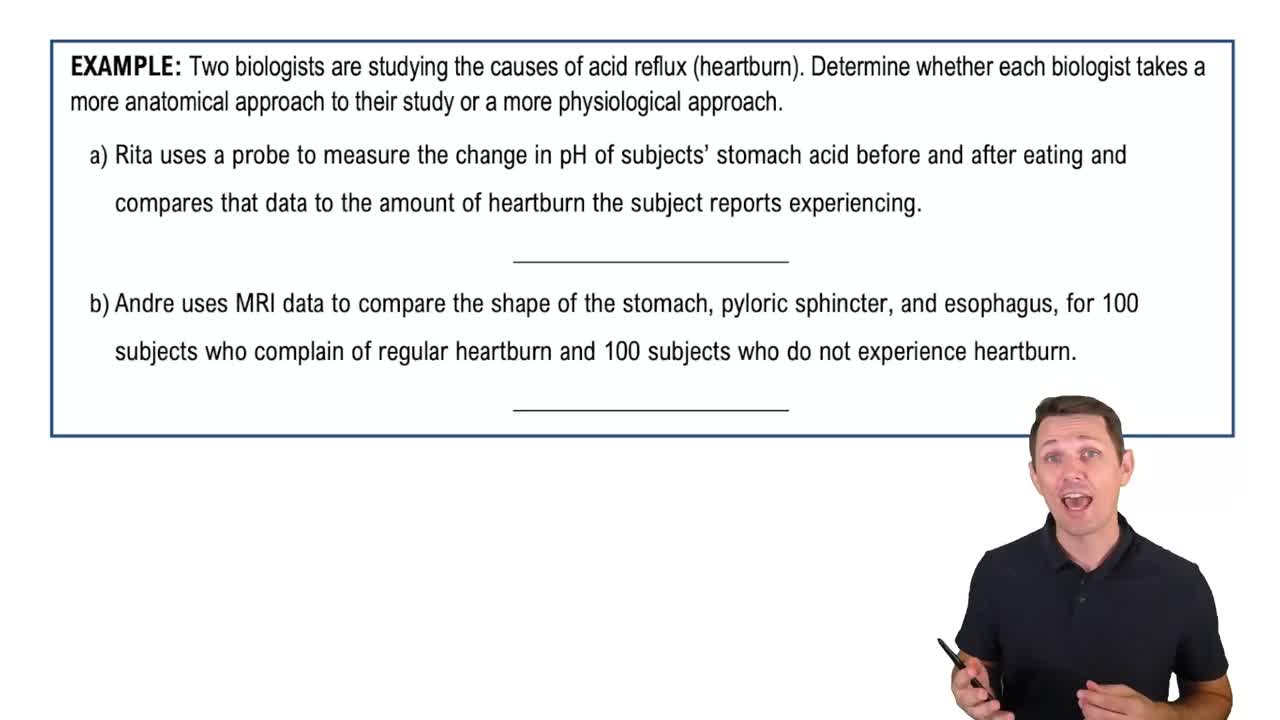
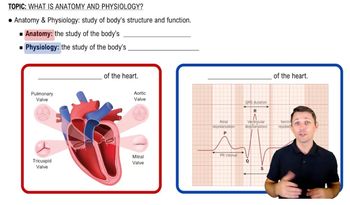
Anatomy is the study of body structure and relationships. Physiology is the study of body function and how parts work.
Chemical, Cellular, Tissue, Organ, Organ System, and Organism levels.
Maintaining boundaries, movement, responsiveness, digestion, metabolism, excretion, reproduction, and growth.
Nutrients, oxygen, water, normal body temperature, and appropriate atmospheric pressure.
Homeostasis is the body's ability to maintain a stable internal environment despite external changes.
A mechanism that reverses a change to return the body to its set point, maintaining stability.
A mechanism that amplifies a change, moving the system further from its starting state.
Body standing upright, feet parallel, arms at sides, palms facing forward, and head facing forward.
Superior, inferior, anterior, posterior, medial, lateral, proximal, distal, superficial, and deep.
Sagittal (divides left/right), frontal (divides front/back), and transverse (divides top/bottom).
Dorsal cavity (cranial and vertebral) and ventral cavity (thoracic and abdominopelvic).
Right and left hypochondriac, epigastric, right and left lumbar, umbilical, right and left iliac, and hypogastric regions.
Right upper, left upper, right lower, and left lower quadrants.
Integumentary (protection), skeletal (support), muscular (movement), nervous (control), endocrine (hormones), cardiovascular (transport), lymphatic (immunity), respiratory (gas exchange), digestive (nutrient breakdown), urinary (waste removal), reproductive (offspring production).
Protects the body, regulates temperature, and prevents water loss.
Provides support, protects organs, stores minerals, and produces blood cells.
Allows movement, maintains posture, and produces heat.
Controls body activities with electrical signals and processes information.
Secretes hormones that regulate growth, metabolism, and reproduction.
Transports oxygen, nutrients, hormones, and wastes throughout the body.
Returns fluid to blood, defends against infection, and absorbs fats from the digestive tract.
Exchanges oxygen and carbon dioxide between blood and air.
Breaks down food, absorbs nutrients, and eliminates waste.
Removes nitrogenous wastes and maintains water and electrolyte balance.
Produces offspring and sex hormones.
To identify and understand key anatomical structures and terms covered in the first lab session.
It provides a standard reference for describing body parts and positions consistently.
By detecting deviations and initiating responses that reverse the change to restore balance.
Blood clotting and childbirth contractions are examples where the response amplifies the stimulus.