 Back
Chapter 3: The Cell - slideshow 3
 03:45

Terms in this set (20)
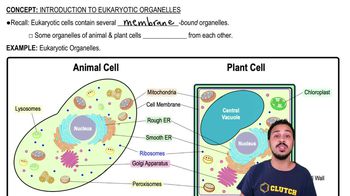
Nucleus, cytoplasm, and plasma membrane.
It forms a selective barrier between extracellular fluid (ECF) and cytosol, controlling substance movement.
It has hydrophilic polar phosphate heads facing water and hydrophobic nonpolar fatty acid tails repelling water.
The membrane is a fluid bilayer of phospholipids with embedded proteins that move laterally, creating a mosaic pattern.
Structural support, linking adjacent cells, enzymes catalyzing reactions, channels for substances, carriers for transport, and receptors for signaling.
They span the membrane and function as channels, carriers, enzymes, or receptors.
Agonists mimic ligand actions activating receptors; antagonists bind receptors but inhibit activation.
Cytosol (intracellular fluid), organelles, and the cytoskeleton.
A watery gel containing proteins, dissolved solutes, and various forms of RNA.
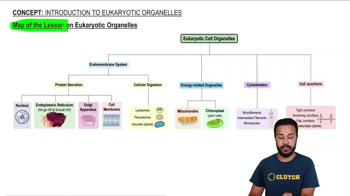
It supports the cell structurally and helps maintain its shape.
They produce energy (ATP) through oxidative catabolism of organic fuels.
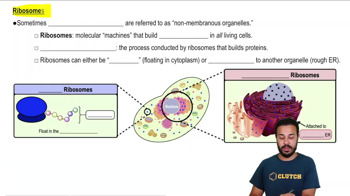
Ribosomes are molecular machines made of rRNA and proteins; they are the site of protein synthesis.
Free ribosomes float in cytosol; bound ribosomes attach to membranes of organelles like the rough ER.
A group of organelles including the rough and smooth endoplasmic reticulum, Golgi apparatus, and vesicles involved in protein and lipid processing.
It contains DNA and is the primary site for RNA synthesis, controlling protein synthesis and cell functions.
Transcription is copying DNA to mRNA; translation is decoding mRNA to build proteins.
ACE2 is an integral membrane protein that SARS-CoV-2 binds to enter human cells and replicate.
They bind ligands to trigger changes in the cell or membrane protein activity.
They catalyze chemical reactions at the membrane surface.
Channels allow substances to pass through; carriers bind and transport substances across the membrane.