 Back
BackFoundations of Anatomy & Physiology
 3:06
3:06
Terms in this set (30)
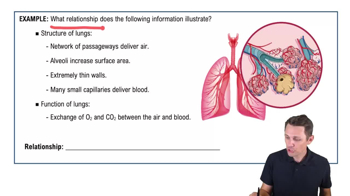
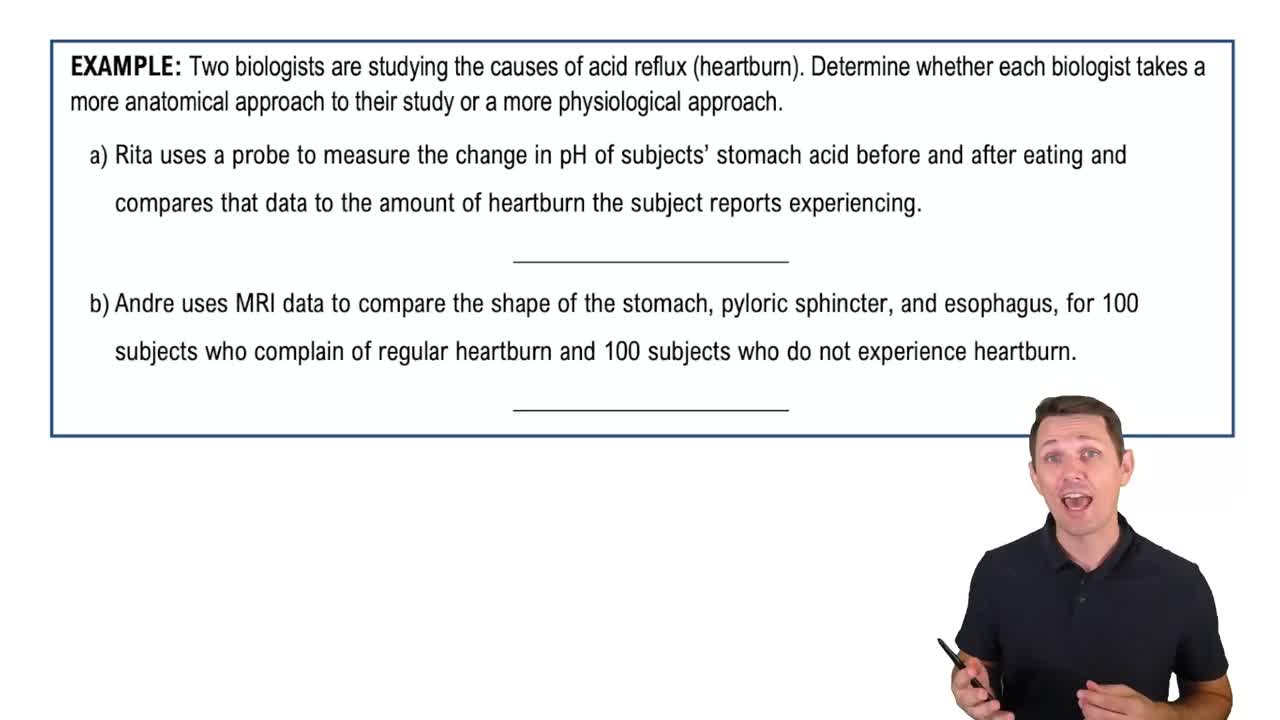
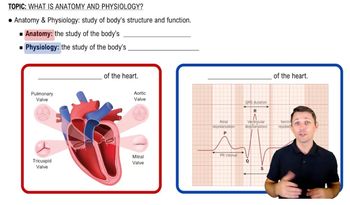
Anatomy is the study of body structure and the relationships among body parts.
Physiology is the study of how living things perform their vital functions, with homeostasis as its central principle.
Cytology is the study of cells, including their structure and function.
Histology is the study of tissues.
Embryology is the study of development before birth.
Surface Anatomy studies the general form and superficial markings of the body.
Regional Anatomy studies all superficial and internal features in a specific area of the body.
Pathological Anatomy studies structural changes caused by disease.
Systemic Physiology studies the functions of specific organ systems.
Chemical → Cellular → Tissue → Organ → Organ system → Organism level.
Homeostasis is the maintenance of a stable internal environment despite external changes.
Failure of homeostasis leads to disease, illness, or death.
Nervous system produces rapid, immediate responses; endocrine system directs long-term responses via hormones.
Negative feedback reduces or reverses the original stimulus.
Positive feedback amplifies or enhances the original stimulus.
Body temperature regulation or blood glucose regulation.
Childbirth contractions or blood clotting.
Body standing upright, palms facing forward, arms at sides, head and eyes facing forward, feet flat and slightly apart.
Proximal means closer to the point of attachment or trunk (e.g., elbow is proximal to wrist).
Distal means farther from the point of attachment or trunk (e.g., wrist is distal to elbow).
Superior (also cephalic or cranial) means toward the head.
Inferior (also caudal) means toward the feet or tail.
Right Upper Quadrant (RUQ), Left Upper Quadrant (LUQ), Right Lower Quadrant (RLQ), Left Lower Quadrant (LLQ).
The lungs, heart, trachea, and esophagus.
The central region of the thoracic cavity between the lungs containing the heart, trachea, esophagus, thymus, and major blood vessels.
They line ventral body cavities and cover organs, reducing friction during organ movement.
Pleura covers the lungs and lines the thoracic cavity.
Pericardium covers the heart and lines the pericardial cavity.
The suffix -itis denotes inflammation.
Peritonitis is inflammation of the peritoneum, the abdominal lining.