 Back
BackFoundations of Human Anatomy & Physiology
 3:06
3:06
Terms in this set (30)
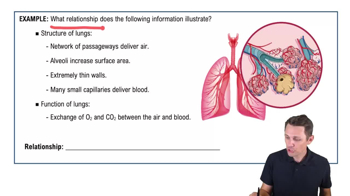
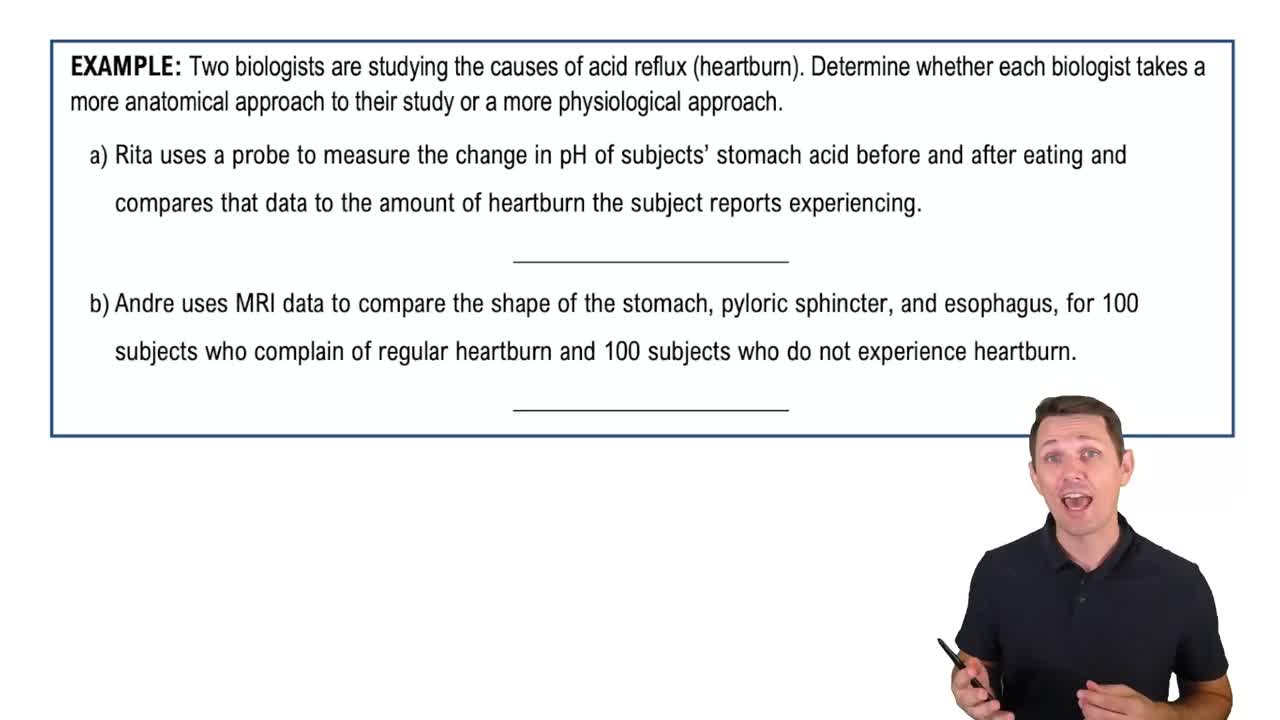
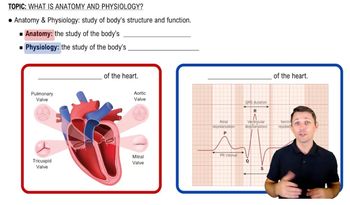
Anatomy is the study of external and internal structures of the body and the relationships between body parts.
Physiology is the study of how the body functions and the mechanisms within the body.
The study of structures that cannot be seen without magnification, including cytology (cells) and histology (tissues).
The study of structures visible without magnification, including surface anatomy, regional anatomy, and systemic anatomy.
Developmental anatomy, embryology, comparative anatomy, clinical anatomy, surgical anatomy, radiographic anatomy, and cross-sectional anatomy.
All vertebrates share a basic anatomical pattern including a braincase, vertebrae, limb buds, and body cavities like thoracic and abdominopelvic cavities.
Chemical/molecular, cellular, tissue, organ, organ system, and organism levels.
Hydrogen, Oxygen, Carbon, and Nitrogen.
Water (66%), Proteins (20%), Lipids (10%), Carbohydrates (3%).
The cell, which consists of organelles.
A combination of various organs working together to perform specific functions, e.g., digestive or cardiovascular systems.
Integumentary, Skeletal, Muscular, Nervous, Endocrine, Cardiovascular, Lymphatic, Respiratory, Digestive, Urinary, Reproductive.
Protects against environmental hazards and helps control body temperature.
Supports and protects tissues, stores minerals, and forms blood cells.
Allows locomotion, provides support, and produces heat.
Directs immediate responses to stimuli and coordinates activities of other organ systems.
Directs long-term changes in activities of other organ systems through hormones.
Transports cells and dissolved materials including nutrients, wastes, and gases.
Defends against infection and disease; returns tissue fluid to the bloodstream.
Delivers air to sites of gas exchange and produces sound.
Processes food and absorbs nutrients.
Eliminates excess water, salts, and wastes.
Produces sex cells and hormones; supports embryonic and fetal development (female).
Standing with feet flat, hands at sides, palms facing forward; reference for all anatomical descriptions.
Supine: lying face up; Prone: lying face down, both in anatomical position.
Right upper quadrant (RUQ), Left upper quadrant (LUQ), Right lower quadrant (RLQ), Left lower quadrant (LLQ).
Superior: toward the head; Inferior: toward the feet.
Anterior (ventral): front; Posterior (dorsal): back.
Sagittal (left/right), Transverse (top/bottom), Frontal (front/back).
Posterior (cranial and spinal) and Anterior (thoracic, abdominal, pelvic) cavities.