 Back
BackFundamentals of Anatomy & Physiology - Chapter 1
 3:06
3:06
Terms in this set (28)
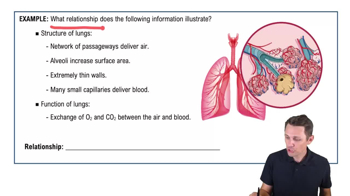
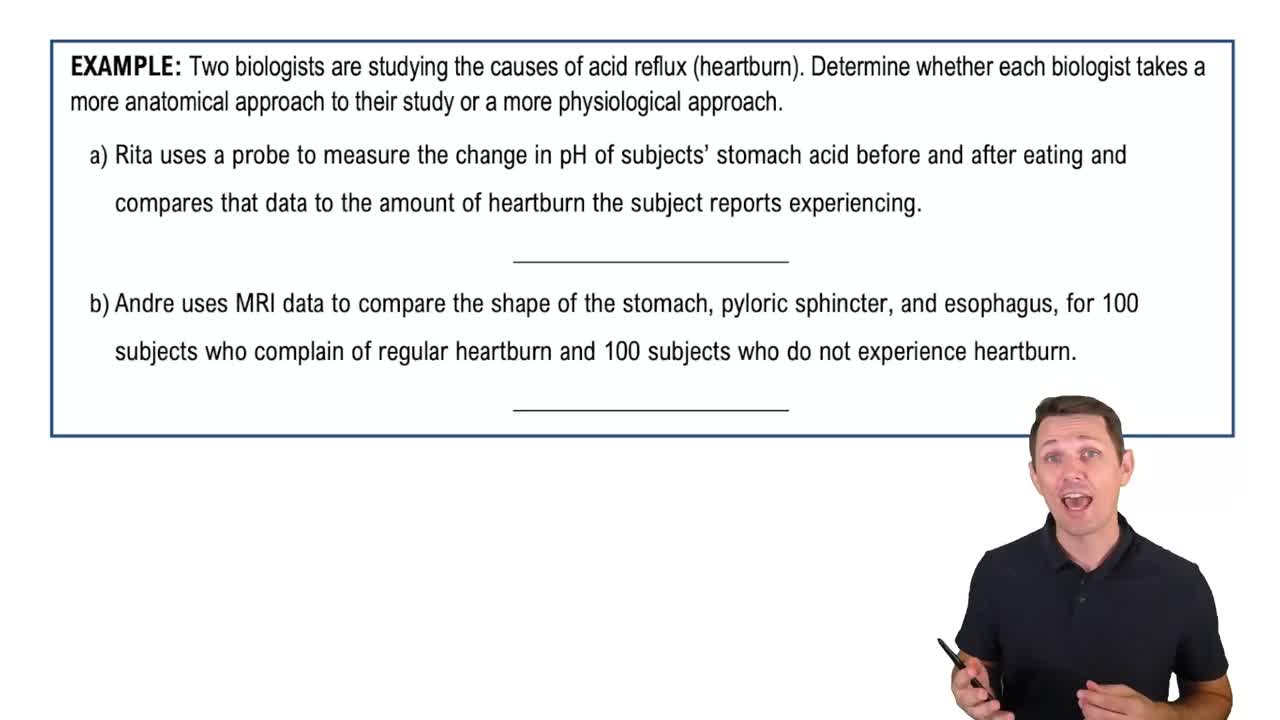
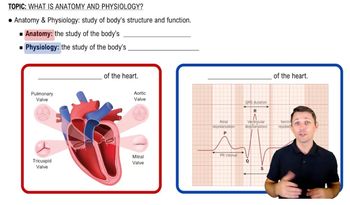
Anatomy describes the structures of the body, including what they are made of, where they are located, and associated structures.
Physiology is the study of the functions of anatomical structures and how individual and cooperative functions occur.
Gross (macroscopic) anatomy and microscopic anatomy.
- Gross anatomy examines large, visible structures.
- Microscopic anatomy examines cells and molecules.
Surface anatomy, regional anatomy, sectional anatomy, systemic anatomy, clinical anatomy, developmental anatomy (including embryology).
Cytology (study of cells) and histology (study of tissues).
Cell physiology, organ physiology, systemic physiology, and pathological physiology.
Atoms are the smallest stable units of matter, and molecules consist of groups of atoms.
Cells are the smallest living units in the body.
A tissue is a group of cells working together.
Organs are made of two or more tissues working together.
An organ system is a group of interacting organs; humans have 11 organ systems.
An individual life form is an organism.
Organs: skin, hair, sweat glands, nails.
Functions: protects against environmental hazards, regulates body temperature, provides sensory information.
Organs: bones, cartilages, ligaments, bone marrow.
Functions: support and protection, stores minerals, forms blood cells.
Organs: skeletal muscles and tendons.
Functions: movement, protection, support, generates heat to maintain body temperature.
Organs: brain, spinal cord, peripheral nerves, sense organs.
Functions: directs immediate responses to stimuli, coordinates other systems, provides sensory information.
Organs: pituitary, thyroid, adrenal glands, pancreas, gonads.
Functions: directs long-term changes, adjusts metabolism, controls development.
Organs: heart, blood, blood vessels.
Functions: distributes blood cells, nutrients, wastes, oxygen, carbon dioxide, and heat.
Organs: spleen, thymus, lymphatic vessels, lymph nodes, tonsils.
Functions: defends against infection, returns tissue fluids to bloodstream.
Organs: nasal cavities, sinuses, larynx, trachea, bronchi, lungs, alveoli.
Functions: delivers air to alveoli, provides oxygen, removes carbon dioxide, produces sounds.
Organs: teeth, tongue, pharynx, esophagus, stomach, intestines, liver, gallbladder, pancreas.
Functions: processes and digests food, absorbs water and nutrients, stores energy.
Organs: kidneys, ureters, urinary bladder, urethra.
Functions: excretes waste, controls water balance, stores urine, regulates blood ions and pH.
Organs: testes, epididymides, ductus deferentia, seminal vesicles, prostate gland, penis, scrotum.
Functions: produces sperm, seminal fluids, hormones, sexual intercourse.
Organs: ovaries, uterine tubes, uterus, vagina, labia, clitoris, mammary glands.
Functions: produces oocytes and hormones, supports embryo, provides milk, sexual intercourse.
Homeostasis is the maintenance of a stable internal environment by all body systems responding to internal and external changes.
1. Receptor: receives stimulus.
2. Control center: processes signal and sends instructions.
3. Effector: carries out instructions to maintain set point.
Negative feedback is a response that negates the original stimulus, bringing the body back to normal range and maintaining homeostasis.
Positive feedback amplifies the original change, moving the body away from homeostasis temporarily to complete a process quickly, such as blood clotting.