 Back
BackIntroduction to Anatomy and Physiology
 3:06
3:06
Terms in this set (71)
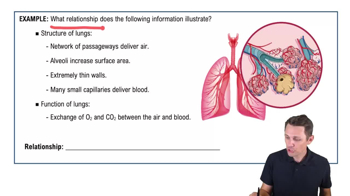
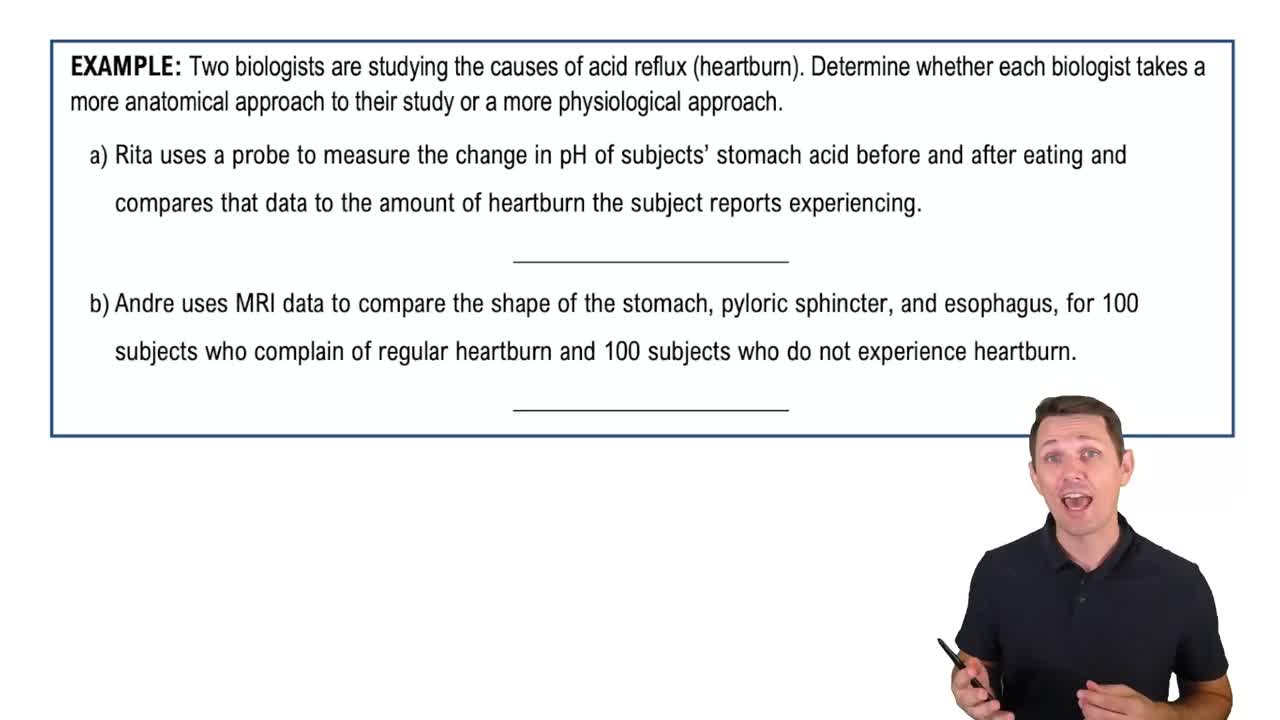
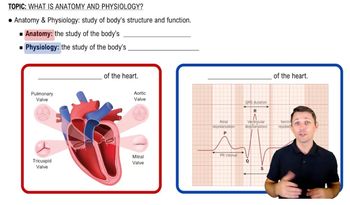
Anatomy is the study of body structure, while physiology is the study of body function. They are related because structure often determines function.
A healthcare technique involving listening to internal body sounds, such as heart or lung sounds, using a stethoscope.
A technique where healthcare professionals use their hands to feel body parts to assess size, consistency, texture, location, and tenderness.
A technique involving tapping on the body surface to evaluate the underlying structures based on the sound produced.
Atom < Cell < Tissue < Organ < Organ system < Organism
Urinary system
Urinary system
Cardiovascular system
Reproductive system
Muscular system
Muscular system
Integumentary system
Endocrine system
Nervous system
Endocrine and Digestive systems
Skeletal system
Respiratory system
Skeletal system
Digestive system
Lymphatic/Immune system
Respiratory system
Reproductive system
Nervous system
Digestive system
Lymphatic/Immune system
Reproductive system
Urinary system
Muscular system
Integumentary system
Respiratory system
Skeletal system
Nervous system
Respiratory system
Reproductive system
Lymphatic/Immune system
Cardiovascular system
Endocrine system
Muscular system
Cardiovascular system
Standing up, body facing forward, arms at sides, palms facing forward.
Posterior
Medial
Inferior
Anterior
Superior
Deep
Lateral
Distal
Superficial
Proximal
Contralateral
Transverse section
Sagittal section
Frontal (coronal) section
Thoracic cavity
Abdominal cavity
Pelvic cavity
Pleural cavity
Abdominal cavity
Thoracic cavity
Pelvic cavity
Abdominal cavity
Abdominal cavity
Pericardial cavity
The mediastinum is the central compartment of the thoracic cavity between the lungs containing the heart, trachea, esophagus, and major vessels.
Parietal pleura lines the thoracic cavity; visceral pleura covers the lungs.
Parietal pericardium lines the pericardial sac; visceral pericardium covers the heart surface.
Parietal peritoneum lines the abdominal cavity; visceral peritoneum covers abdominal organs.
When blood glucose rises, the pancreas secretes insulin to lower it. Once normal, insulin secretion stops.
Oxytocin release increases uterine contractions, which causes more oxytocin release until birth.
Homeostasis is the body's ability to maintain a stable internal environment despite external changes, essential for survival and function.