 Back
BackIntroduction to Anatomy & Physiology & Study Of A&P
 3:06
3:06
Terms in this set (20)
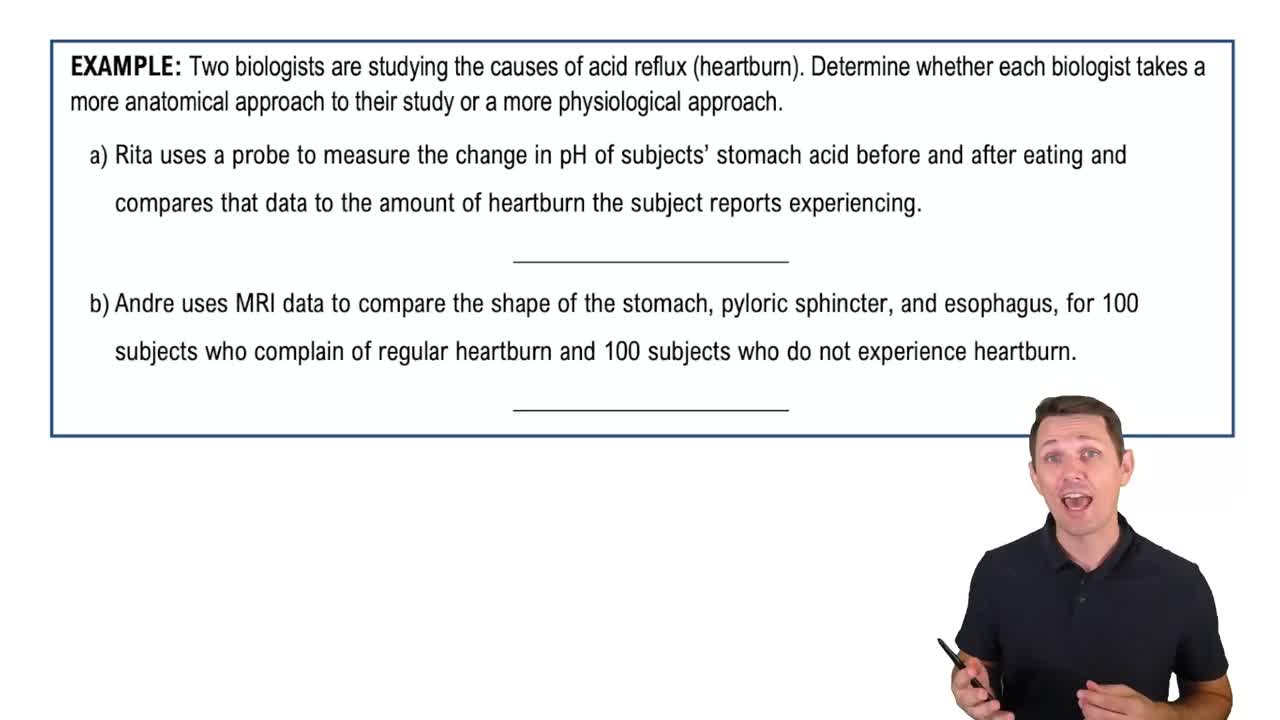
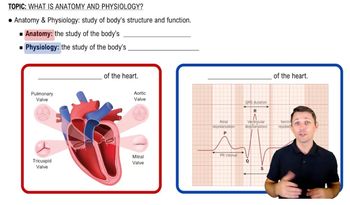
Anatomy is the study of the structure of body parts and their relationships to one another. It includes gross (macroscopic) and microscopic anatomy.
Physiology is the study of the function of body structures, including bones, muscles, and neurophysiology.
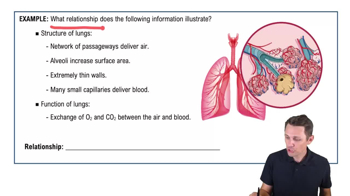
The function of a body part depends on its structure. If the structure is damaged, the function is impaired. Example: the small intestine's folds increase surface area for nutrient absorption.
Atoms, small molecules, macromolecules, cells, tissues, organs, organ systems, organism.
A group of cells similar in structure and function.
A structure composed of two or more tissue types that performs a specific function for the body.
A group of organs that act together to perform a particular body function.
There are 11 organ systems in the human body, all highly interrelated.
Chromosomal sex is defined by genetics/DNA, such as XX or XY chromosomes.
Gonadal sex is defined by possession of primary sex organs (ovaries, testes).
Anatomical sex is defined by external anatomy, such as genitalia.
Gender is a personal sense of which sex one belongs to, which may or may not correspond with chromosomal, gonadal, or anatomical sex.
Individuals whose gender identity does not fully correspond with their biological sex.
Individuals whose gender identity corresponds with their biological sex.
Chromosomal sex: XX; Gonadal sex: ovaries; Anatomical sex: female external genitalia.
Chromosomal sex: XY; Gonadal sex: testes; Anatomical sex: male external genitalia.
Understanding normal structure and function is necessary to understand dysfunction and disease (pathology).
Absorption of ingested nutrients into the body.
Folds in the intestinal lining increase surface area (~250 m2) to maximize nutrient absorption.
The cell is the basic building block of all living things.