 Back
BackIntroduction to Anatomy & Physiology - Chapter 1
 3:06
3:06
Terms in this set (20)
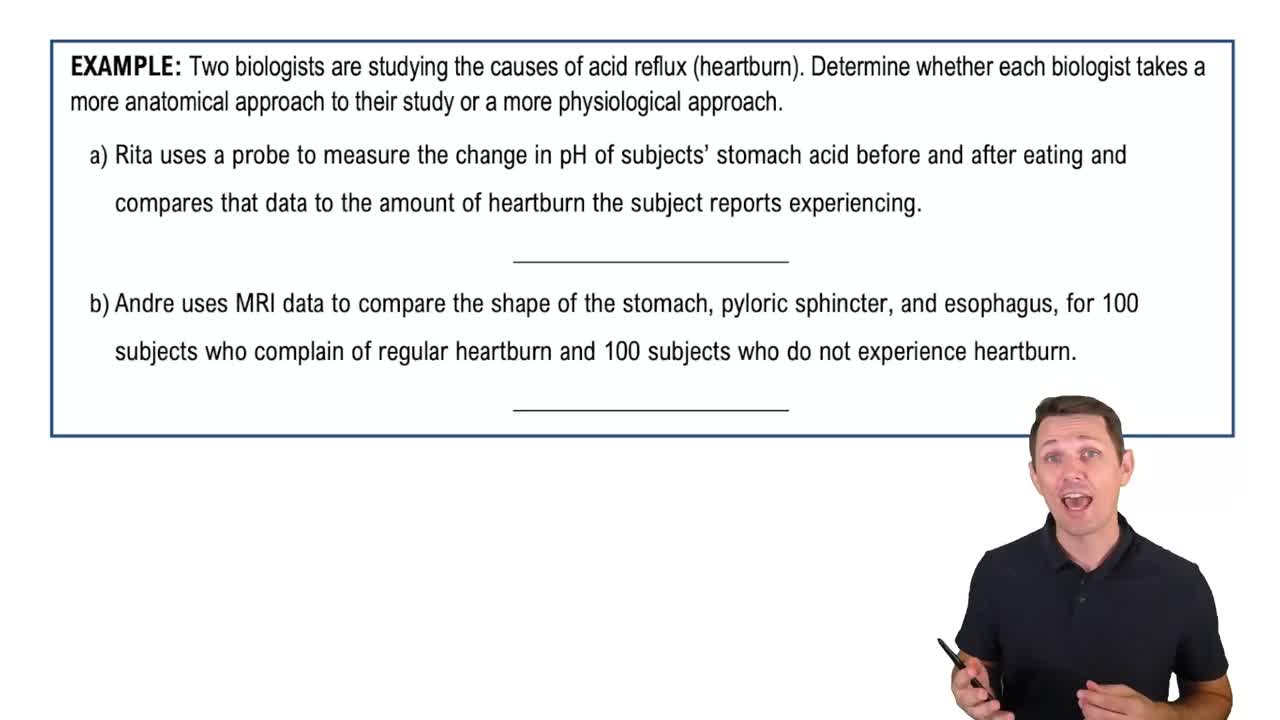
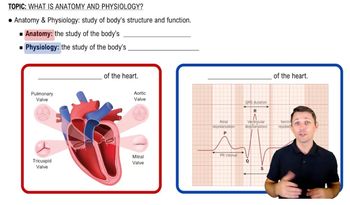
Human Anatomy is the study of the structure or form of the human body.
Human Physiology is the study of the body’s functions.
Bring It Back, Space It Out, and Mix It Up to improve long-term memory and understanding.
Homeostasis is the condition in which the body maintains a relatively stable internal environment.
The Thoracic Cavity (superior to diaphragm) and the Abdominopelvic Cavity (inferior to diaphragm).
Includes systems such as digestive, respiratory, cardiovascular, nervous, muscular, skeletal, lymphatic, urinary, reproductive, endocrine, and integumentary.
A feedback mechanism that opposes the initial change and reduces the output to maintain stability.
A feedback mechanism that reinforces the initial change and increases the output, often leading to a definitive event.
Body standing upright, feet shoulder-width apart, arms at sides, palms and head facing forward.
Anterior means toward the front; Posterior means toward the back.
Proximal means closer to the point of origin; Distal means farther from the point of origin (used for limbs).
Sagittal (right and left), Frontal (anterior and posterior), and Transverse (superior and inferior).
They form double-layered structures filled with serous fluid to lubricate organs in body cavities.
Visceral layer contacts the organ; Parietal layer attaches to surrounding structures.
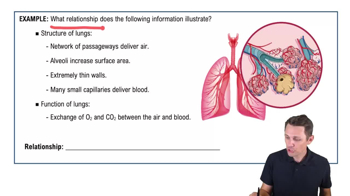
The form of a structure is such that it best suits its function at all levels of organization.
Gradients exist when more of something is in one area than another; they drive many physiological processes.
Through electrical signals between neighboring cells and chemical messengers that affect nearby or distant cells.
Chemical, Cellular, Tissue, Organ, Organ System, and Organism levels.
All chemical processes in the body, including anabolism (building up) and catabolism (breaking down).
Survey, Question, Read, Recite, Review to improve comprehension and retention.