Introduction to Limits
- Download the worksheet to save time writing
- Start solving the practice problems
- If you're stuck, watch the video solutions
- See your summary to get more insights

Introduction to Limits
7 problems
Problem 1Multiple Choice
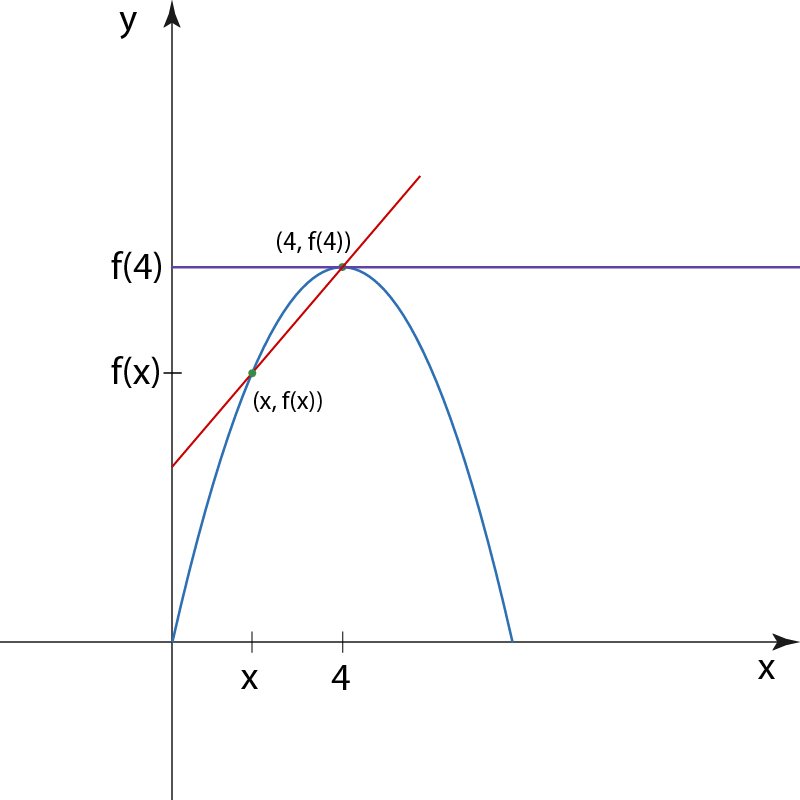
Consider the quadratic function . Calculate the slopes of the secant lines between the points and , for .
Problem 2Multiple Choice
Consider the position function . Approximate the instantaneous velocity at by completing the given table with the average velocities.

Problem 3Multiple Choice
A runner's position along a track is recorded at various times during a race. The data is presented in a table. Find the runner's average velocity between the time interval of 0 to 2 seconds.

Problem 5Multiple Choice
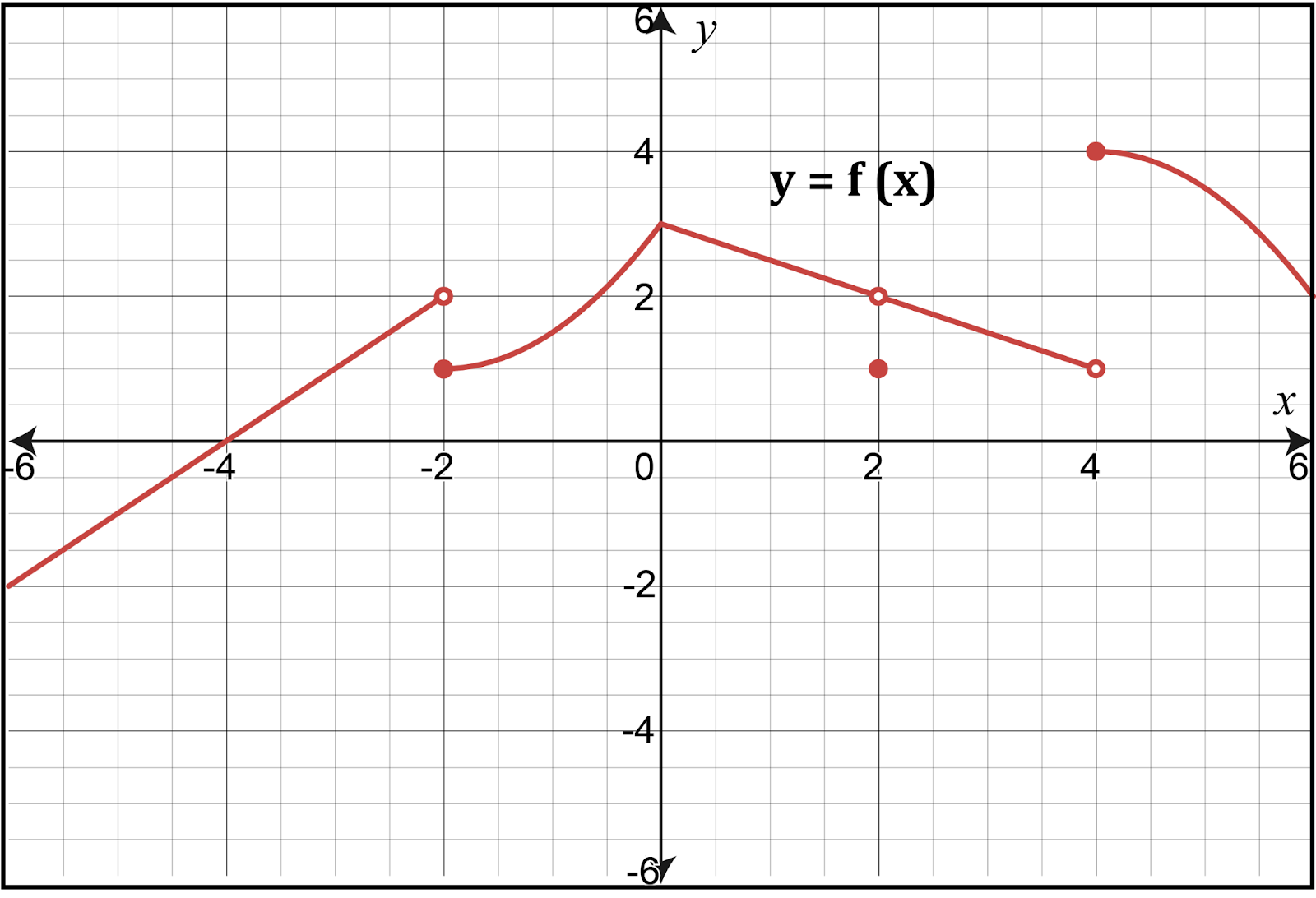
Determine using the following graph: