Skip to main content
Anatomy & Physiology
Il mio corso
Impara
Preparazione agli esami
AI Tutor
Guide di studio
Soluzioni per libri di testo
Flashcard
Esplora
Prova l'app
Il mio corso
Impara
Preparazione agli esami
AI Tutor
Guide di studio
Soluzioni per libri di testo
Flashcard
Esplora
Prova l'app
Indietro
Anatomy & Physiology: Body Cavities, Regions, and Feedback Loops
Puoi toccare per girare la carta.
What are the two main body cavities and their general locations?
Puoi toccare per girare la carta.
👆
What are the two main body cavities and their general locations?
Posterior (dorsal) cavity
located along the back of the body;
Anterior (ventral) cavity
located along the front of the body.
Avanzamenti del tracciato
I pulsanti di controllo sono stati cambiati in modalità "navigazione".
1/20
Video consigliati
02:29
Introduction to Organ Systems
29804
views
756
rank
02:18
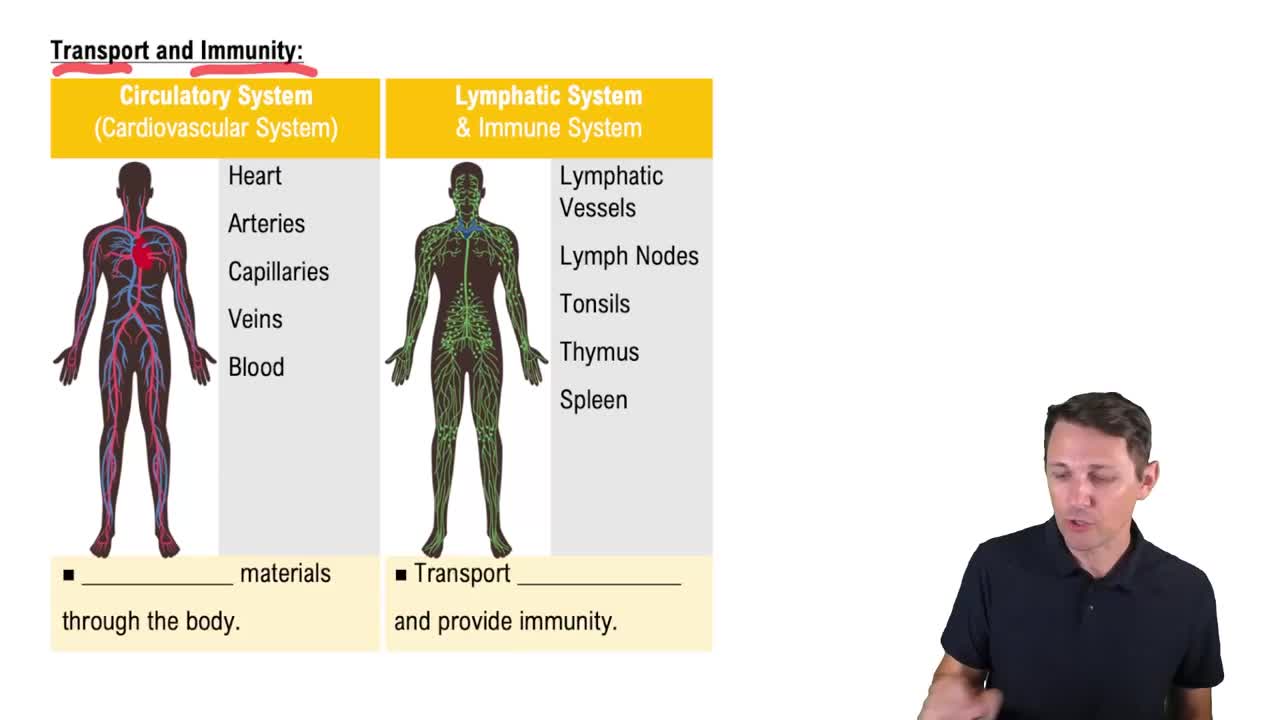
Transport and Immunity
17043
views
464
rank
1
comments
02:12
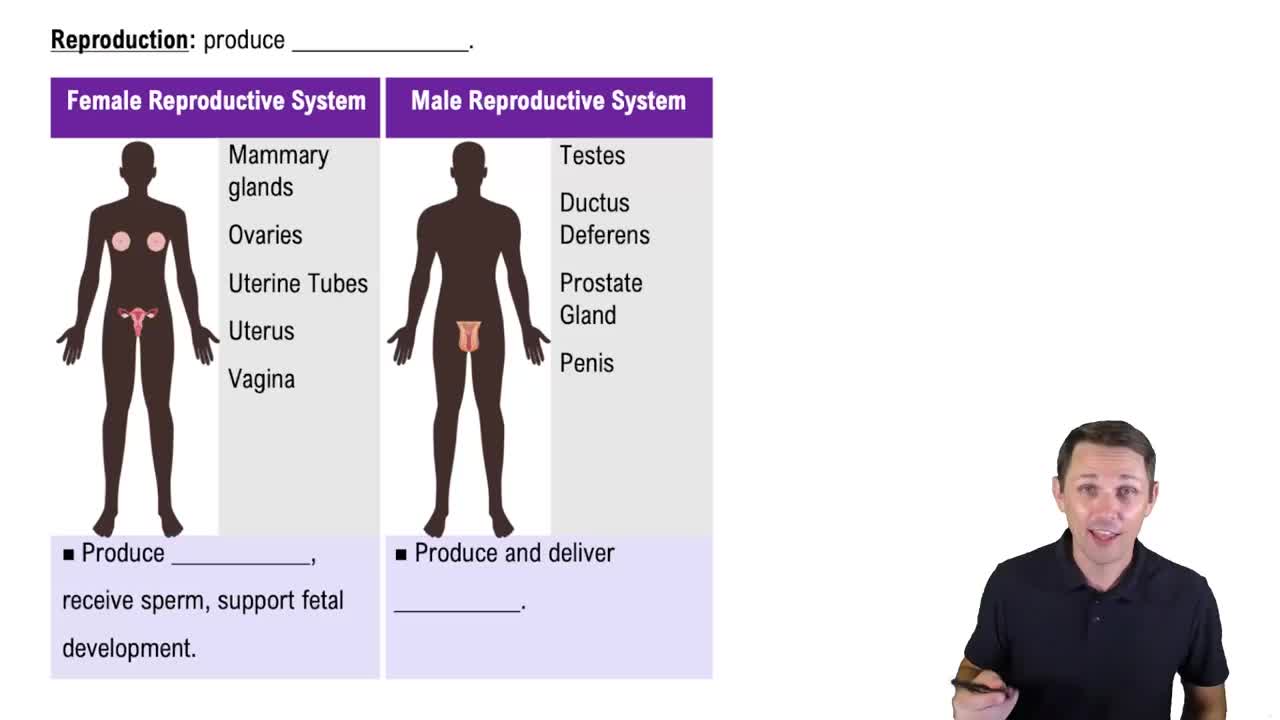
Reproduction
14272
views
384
rank
2
comments
Termini in questo insieme (20)
Nascondere definizioni
What are the two main body cavities and their general locations?
Posterior (dorsal) cavity
located along the back of the body;
Anterior (ventral) cavity
located along the front of the body.
What are the two subcavities within the posterior body cavity?
Cranial cavity
(houses the brain) and
vertebral (spinal) cavity
(houses the spinal cord).
What separates the thoracic cavity from the abdominopelvic cavity?
The
diaphragm muscle
, which functions in breathing.
Name the three smaller cavities within the thoracic cavity.
Right and left pleural cavities
(each surrounds a lung),
mediastinum
(central area), and
pericardial cavity
(surrounds the heart).
What are the two main divisions of the abdominopelvic cavity?
Abdominal cavity
(from diaphragm to pelvis) and
pelvic cavity
(within the pelvis).
How many quadrants are in the abdominopelvic cavity and what are they called?
Four quadrants:
Right upper quadrant (RUQ)
,
Left upper quadrant (LUQ)
,
Right lower quadrant (RLQ)
, and
Left lower quadrant (LLQ)
.
What are the nine regions of the abdominopelvic cavity?
Right and left hypochondriac
,
epigastric
,
right and left lumbar
,
umbilical
,
right and left iliac (inguinal)
, and
hypogastric
regions.
What is the function of serous membranes in body cavities?
They are thin tissue layers that enclose spaces and produce
serous fluid
to lubricate organs and prevent friction.
Name the three main serous membranes and the cavities they surround.
Pleural membranes
(lungs),
pericardial membranes
(heart), and
peritoneal membranes
(some abdominal organs).
Describe the anatomical position.
Body standing upright, feet shoulder-width apart, arms at sides, palms and face facing forward.
What is the difference between the sagittal, frontal, and transverse planes?
Sagittal plane
divides body into right and left;
frontal (coronal) plane
divides into front and back;
transverse plane
divides into top and bottom.
What is a negative feedback loop in homeostasis?
A process where the effector opposes the initial stimulus to return a variable to its normal range, maintaining stability.
Give an example of a negative feedback loop controlling body temperature.
When hot, receptors detect temperature rise, control center signals effectors like sweat glands to cool the body.
What is a positive feedback loop?
A process where the effector amplifies the initial stimulus, reinforcing the change until a specific event occurs.
Give an example of a positive feedback loop in the body.
Blood clotting: platelets activate more platelets to rapidly seal a blood vessel injury.
What is the principle of complementarity of structure and function?
The function of a body part depends on its structure; e.g., a heart defect impairs blood supply.
Define a gradient and give an example.
A difference in concentration or pressure between two connected areas; e.g., temperature gradient from a heater.
What is the role of receptors, control centers, and effectors in homeostasis?
Receptors detect changes, control centers process info and send commands, effectors carry out responses.
What is the peritoneal cavity?
A subcavity within the abdominopelvic cavity enclosed by the peritoneal serous membrane.
What is the mediastinum and what does it contain?
The central compartment of the thoracic cavity containing the heart, great vessels, trachea, and esophagus.
 IndietroIndietro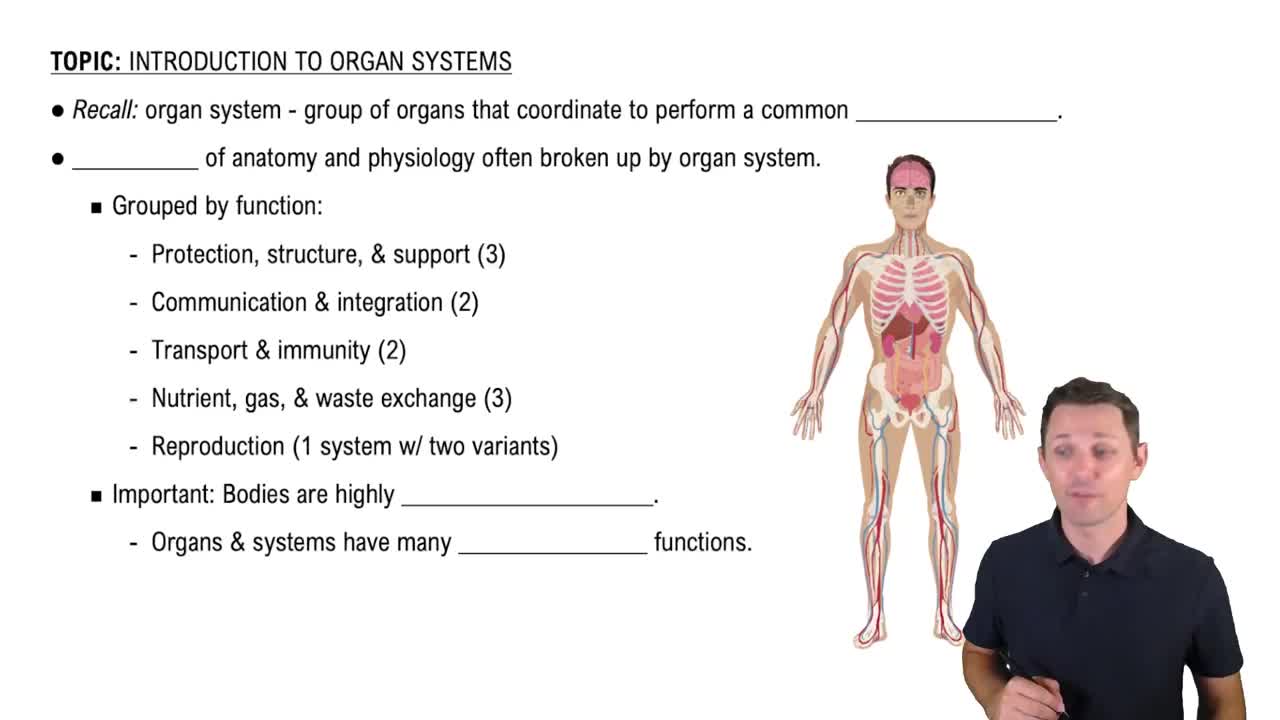
 02:29
02:29