 Indietro
Anatomy & Physiology Chapter 2 & 3 Key Concepts
 01:59

Termini in questo insieme (20)
Carbon, Oxygen, Hydrogen, and Nitrogen make up about 96% of the human body.
Solid: definite shape and volume.
Liquid: changeable shape, definite volume.
Gas: changeable shape and volume.
Protons (+), Neutrons (neutral), Electrons (-).
Protons and neutrons are located in the nucleus at the center of the atom.
The atomic number is the number of protons in the nucleus of an atom.
An ion is an atom with a positive or negative charge due to an uneven number of protons and electrons.
Compounds involve chemical bonding and are homogenous; mixtures are physical combinations that can be homogenous or heterogenous and can be separated physically.
Solutions (homogenous), Colloids (heterogenous but mixed), Suspensions (heterogenous and visibly separated).
Chemical energy is stored in the bonds of chemical substances.
All cells come from other cells.
A double or bilayer of phospholipids with embedded proteins and carbohydrate chains.
The fatty acid tail is hydrophobic (water-hating), and the phosphate head is hydrophilic (water-loving).
The plasma membrane allows only certain substances to pass through it.
Proteins embedded in the membrane that are important for selective permeability and transport.
The glycocalyx is a sugar coating on the cell surface that helps with self-recognition.
Tight junctions: seal cells tightly (e.g., epithelial tissue).
Desmosomes: anchor cells together.
Gap junctions: allow communication between cells.
Passive transport requires no energy and moves substances down their concentration gradient; active transport requires energy to move substances against the gradient.
Simple diffusion, facilitated diffusion (through integral proteins), and osmosis.
ATP provides energy for cellular processes, including active transport.
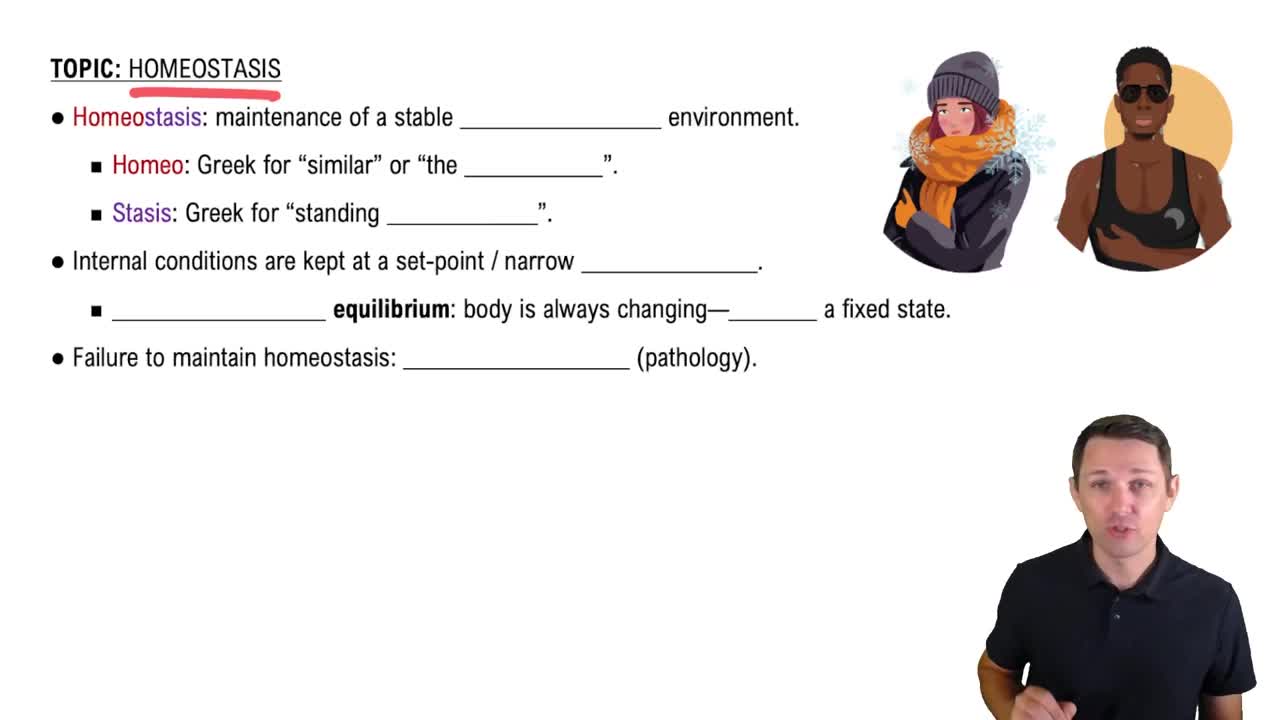
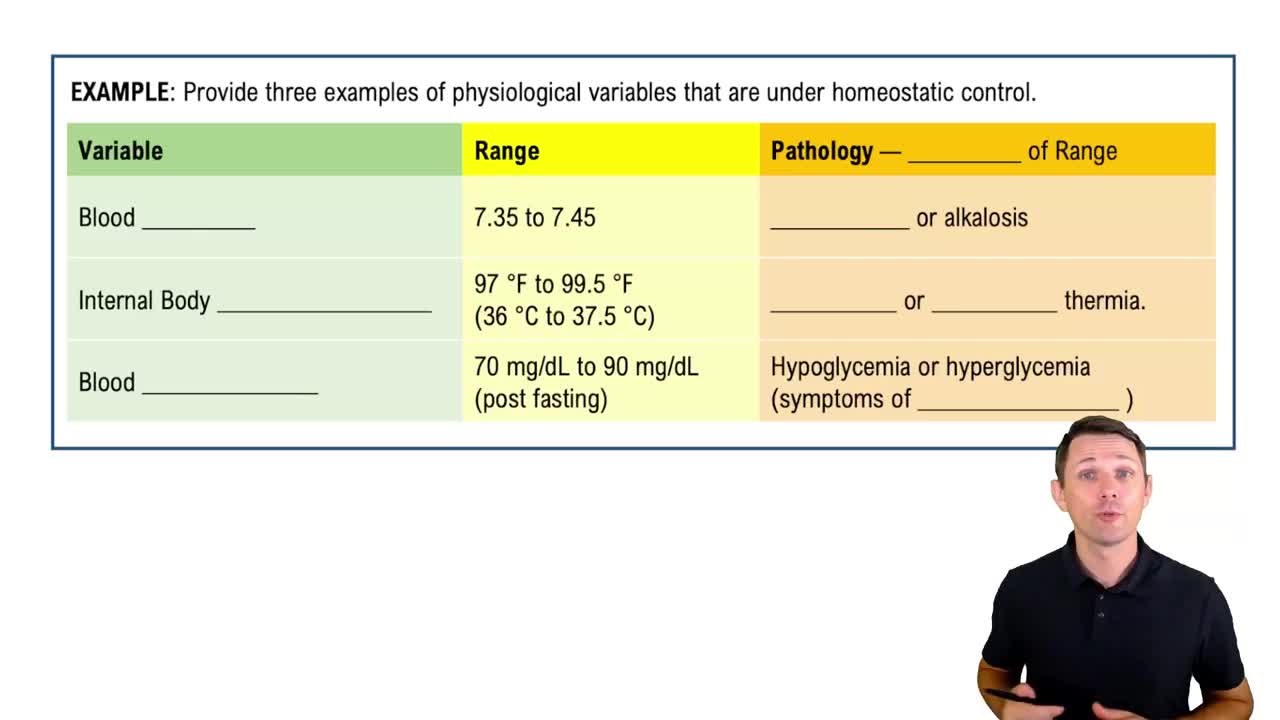
Homeostatic imbalance begins with cells malfunctioning, such as in cancer.