 Indietro
Anatomy & Physiology Core Concepts
 04:01

Termini in questo insieme (20)
The cell is the smallest living unit in the human body.
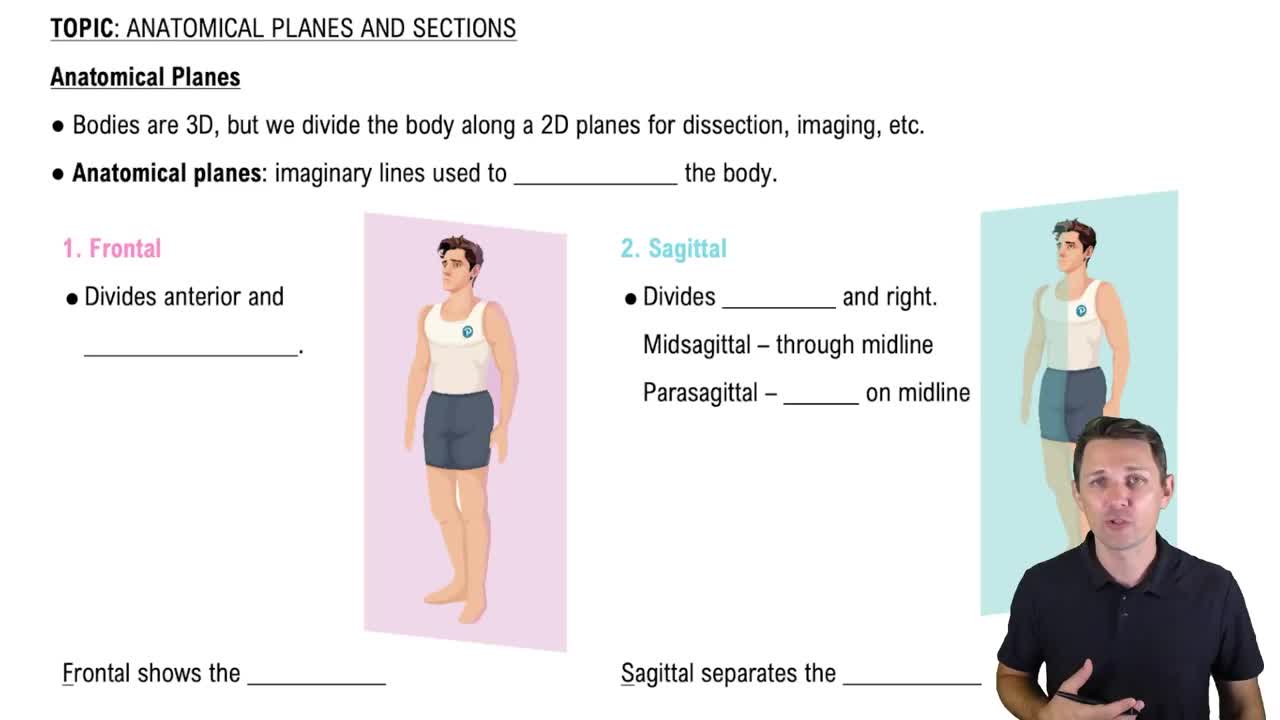
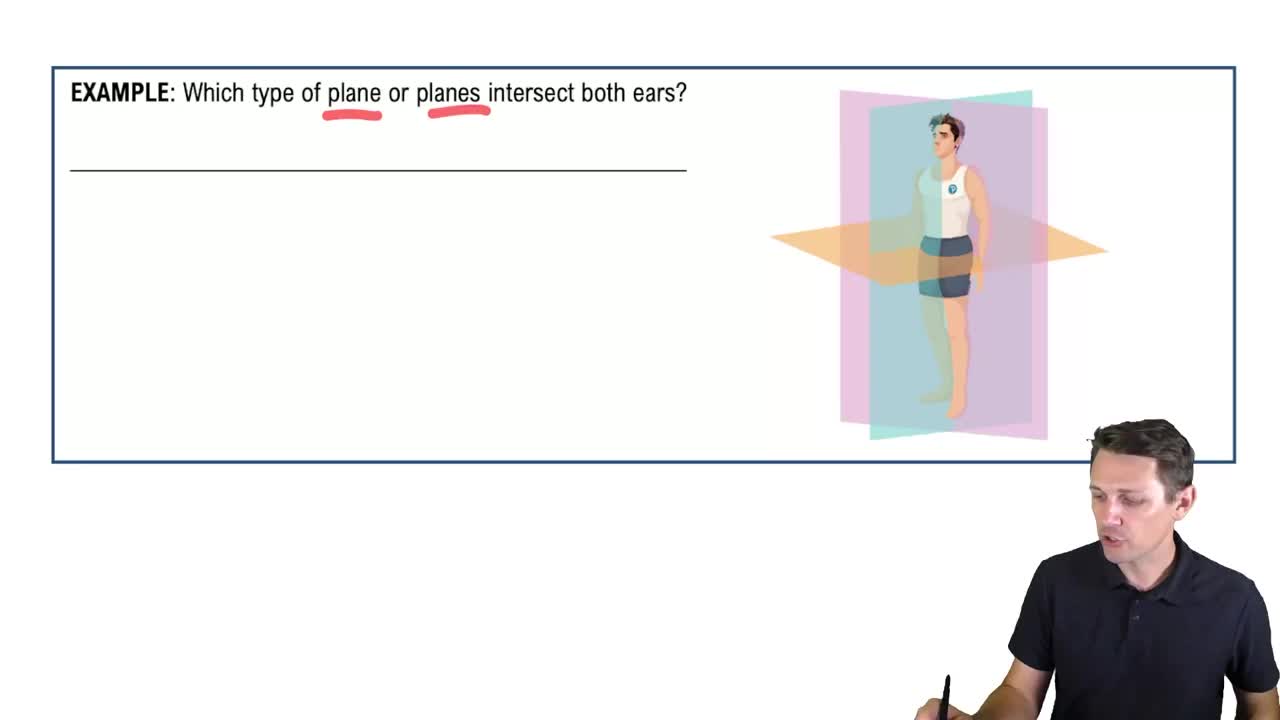
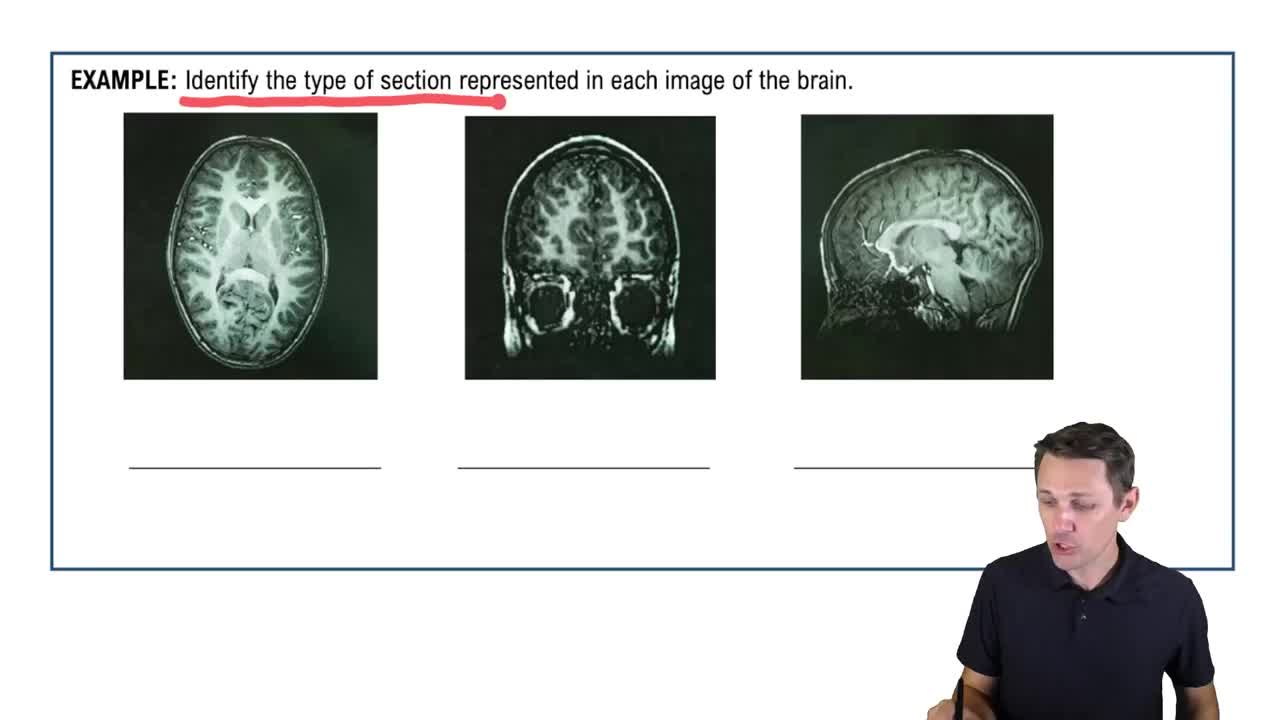
A transverse cut divides the body into superior (upper) and inferior (lower) parts.
A coronal (frontal) cut divides the body into ventral (front) and dorsal (back) sides.
A sagittal cut divides the body into left and right sides. A midsagittal cut is exactly at the midline, while a parasagittal cut is off the midline.
The dorsal cavity contains the cranial cavity (brain) and spinal cavity (spinal cord). The ventral cavity includes the thoracic cavity (lungs and mediastinum) and abdominopelvic cavity (kidneys, stomach, liver, intestines, pancreas, gallbladder, bladder, reproductive organs, ureters, rectum).
The serous membrane is a thin lining that covers cavity walls (parietal layer) and organs (visceral layer). It produces serous fluid to reduce friction. Examples include pleura (lungs), pericardium (heart), and peritoneum (abdominopelvic organs).
Levels: Atom (oxygen), molecule (water), organelle (mitochondria), cell (muscle cell), tissue (epithelial tissue), organ (heart), organ system (cardiovascular system), organism (human).
Organs: lungs. Function: deliver oxygen to blood and remove carbon dioxide.
Organs: heart and blood vessels. Function: deliver oxygen and nutrients to body tissues.
Organs: oral cavity, esophagus, stomach, intestines, liver, pancreas, kidneys. Function: process food, absorb nutrients, eliminate waste as feces.
Organs: brain and nerves. Function: respond to internal and external changes by activating muscles and glands.
Organs: kidneys and urinary tract. Function: remove nitrogenous waste, regulate electrolytes, pH, and acid-base balance.
Organs: skin, nails, hair. Function: protect deeper tissues, synthesize vitamin D, house sweat and oil glands, and sensory receptors.
Organs: lymph nodes, lymph vessels, spleen, thymus. Function: return leaked fluid to blood, remove debris, and support immunity.
Organs: pituitary, thymus, pancreas, hypothalamus, adrenal glands. Function: secrete hormones regulating growth, reproduction, and metabolism.
Organs: ovaries, testes, and associated structures. Function: produce offspring, sperm, eggs, and sex hormones.
Organs: bones. Function: provide framework, protect organs, and support muscles.
Organs: skeletal muscles. Function: enable movement, maintain posture, and produce heat.
Body standing with head and toes pointing forward, arms at sides, and palms facing forward.
Serosa is a thin membrane lining cavity walls (parietal layer) and covering organs (visceral layer), producing fluid to reduce friction. Examples: pleura (lungs), pericardium (heart), peritoneum (abdominopelvic organs).