 Indietro
Anatomy & Physiology II Key Concepts
 7:06

Termini in questo insieme (20)
The endocrine, cardiovascular, lymphatic, immune, respiratory, digestive, metabolic, and reproductive systems.
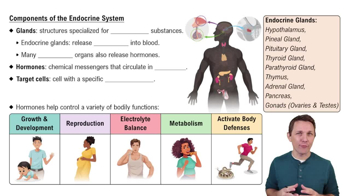
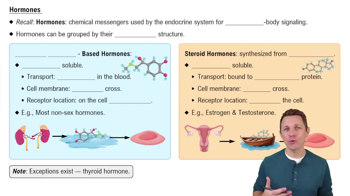
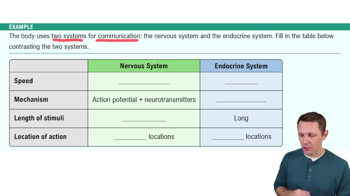
The endocrine system regulates body functions through hormones secreted by glands.
Blood consists of plasma, red blood cells, white blood cells, and platelets.
To transport blood throughout the body, delivering oxygen and nutrients and removing waste.
Blood vessels carry blood to and from the heart and tissues, including arteries, veins, and capillaries.
The lymphatic system returns excess tissue fluid to the bloodstream and participates in immune defense.
Structures like lymph nodes, spleen, thymus, and tonsils involved in immune responses.
Innate (nonspecific) defenses and adaptive (specific) defenses.
To facilitate gas exchange between the air and blood, supplying oxygen and removing carbon dioxide.
Includes the mouth, esophagus, stomach, intestines, liver, pancreas, and gallbladder.
All chemical reactions in the body that produce energy and build or break down molecules.
To filter blood, remove waste, and maintain fluid and electrolyte balance.
The regulation of pH levels in body fluids to maintain homeostasis.
To produce gametes and support fertilization, pregnancy, and development of offspring.
Study of embryonic and fetal development and physiological changes during pregnancy.
Understanding how genetic information is passed from parents to offspring.
It is used to analyze data, solve problems, and explain natural phenomena in the human body.
Inquiry and analysis, problem-solving, teamwork, and information literacy.
Successful completion of Human Anatomy & Physiology I with a grade of C or better.
Students must bring Scantron sheets 882-E and #2 pencils to every exam.