 Indietro
Anatomy & Physiology Key Concepts
 3:06
3:06
Termini in questo insieme (20)
The skeletal system provides support, protection for organs, movement via attachment points for muscles, mineral storage, and blood cell production.
Homeostasis is the body's ability to maintain a stable internal environment despite external changes.
Epithelial, connective, muscle, and nervous tissues.
A neuron has a cell body, dendrites that receive signals, and an axon that transmits impulses.
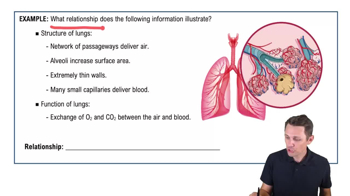
To facilitate gas exchange, bringing oxygen into the body and removing carbon dioxide.
Skeletal, cardiac, and smooth muscle tissues.
Protects the body, regulates temperature, and prevents water loss through the skin, hair, and nails.
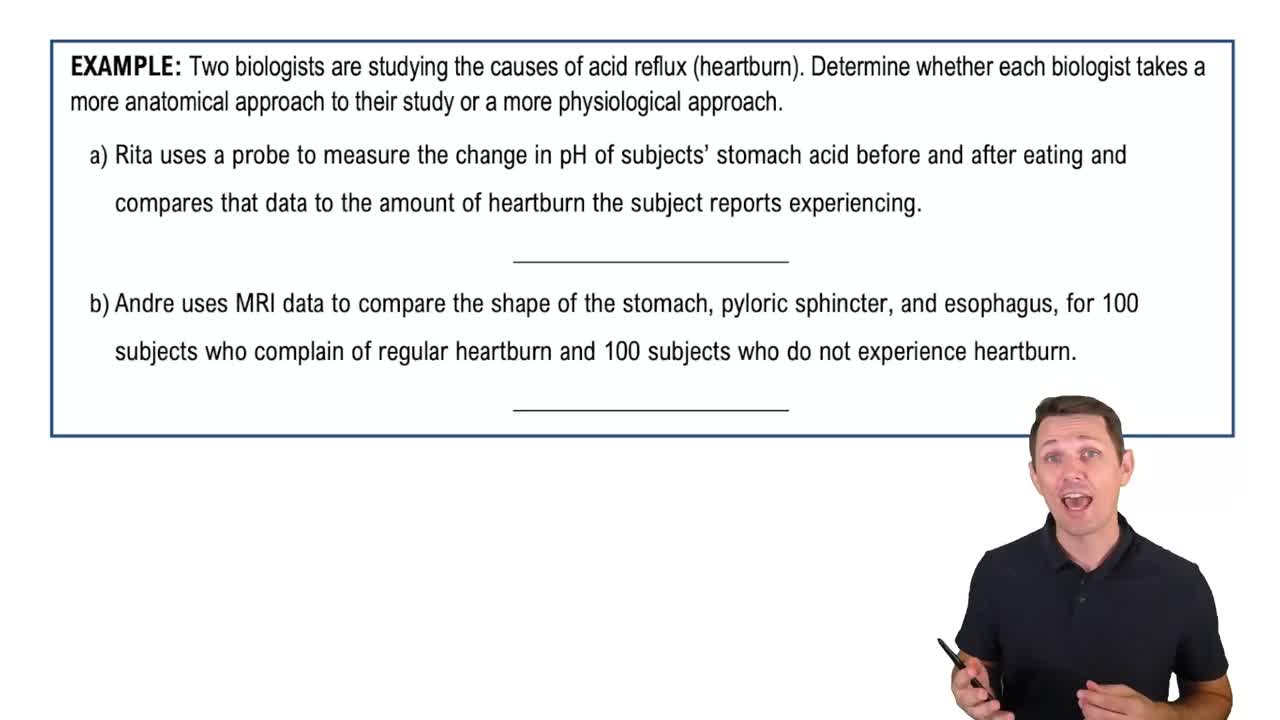
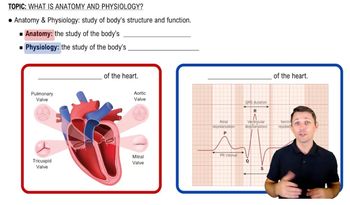
Anatomy studies the structure of body parts; physiology studies their function.
The cell is the basic structural and functional unit of life.
An organ system is a group of organs that work together to perform complex functions.
To carry oxygen from the lungs to body tissues and transport carbon dioxide back to the lungs.
It transports blood, nutrients, gases, and wastes throughout the body via the heart and blood vessels.
To break down food into nutrients for absorption and eliminate waste.
Epidermis, dermis, and hypodermis (subcutaneous layer).
To return excess fluid to the bloodstream and provide immune defense.
Metabolism is the sum of all chemical reactions that occur in the body to maintain life.
To regulate body functions through hormones secreted by glands.
Axial skeleton includes the skull, vertebral column, and rib cage; appendicular skeleton includes limbs and girdles.
To control and coordinate body activities by transmitting electrical signals.
Muscle contraction occurs when actin and myosin filaments slide past each other, shortening the muscle fiber.