What is the primary function of the lymphatic system?
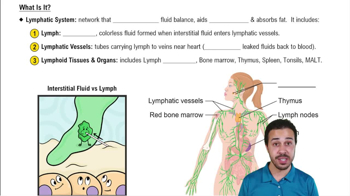
The lymphatic system maintains fluid balance, absorbs fats from the digestive tract, and provides immune defense by transporting lymph and filtering pathogens.
What is lymph?
Lymph is a clear fluid derived from interstitial fluid that circulates through lymphatic vessels, carrying immune cells and waste products.
Name the main components of the lymphatic system.
The main components are lymph, lymphatic vessels, lymph nodes, the spleen, thymus, and tonsils.
What role do lymph nodes play in the lymphatic system?
Lymph nodes filter lymph, trapping bacteria, viruses, and foreign particles, and house lymphocytes that initiate immune responses.
How does lymph move through the lymphatic vessels?
Lymph moves by skeletal muscle contractions, respiratory movements, and valves that prevent backflow.
What is the function of the spleen in the lymphatic system?
The spleen filters blood, removes old red blood cells, and helps mount immune responses.
Where is the thymus located and what is its function?
The thymus is located in the upper chest and is where T lymphocytes mature.
What are lymphatic capillaries?
Lymphatic capillaries are tiny, thin-walled vessels that absorb excess interstitial fluid to form lymph.
How does the lymphatic system contribute to fat absorption?
Lymphatic vessels called lacteals in the small intestine absorb dietary fats and transport them as chyle.
What prevents lymph from flowing backward in lymphatic vessels?
One-way valves in lymphatic vessels prevent backflow of lymph.
What is the difference between lymphatic vessels and veins?
Lymphatic vessels carry lymph and have thinner walls with more valves, while veins carry blood back to the heart.
What triggers an immune response in lymph nodes?
The presence of pathogens or foreign antigens in lymph triggers lymphocytes in lymph nodes to respond.
What is the role of tonsils in the lymphatic system?
Tonsils trap pathogens entering through the mouth and nose and contain lymphocytes to fight infections.
How does the lymphatic system help maintain fluid balance?
It returns excess interstitial fluid to the bloodstream, preventing tissue swelling (edema).
What is chyle?
Chyle is lymph enriched with absorbed fats from the digestive system, transported by lacteals.
Describe the flow of lymph from tissues back to the bloodstream.
Lymph flows from lymphatic capillaries to larger vessels, through lymph nodes, into lymphatic trunks, then into the thoracic or right lymphatic duct, and finally into the subclavian veins.
What is the thoracic duct?
The thoracic duct is the largest lymphatic vessel that drains lymph from most of the body into the left subclavian vein.
What is the right lymphatic duct?
The right lymphatic duct drains lymph from the right upper limb, right side of the thorax, and right side of the head and neck into the right subclavian vein.
How do lymphocytes develop and mature?
Lymphocytes develop from stem cells in bone marrow; B cells mature in bone marrow, T cells mature in the thymus.
What is lymphedema?
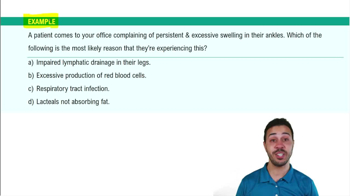
Lymphedema is swelling caused by impaired lymph drainage, leading to fluid accumulation in tissues.
 Indietro
 3:32