 Indietro
Chapter one
 05:04

Termini in questo insieme (30)
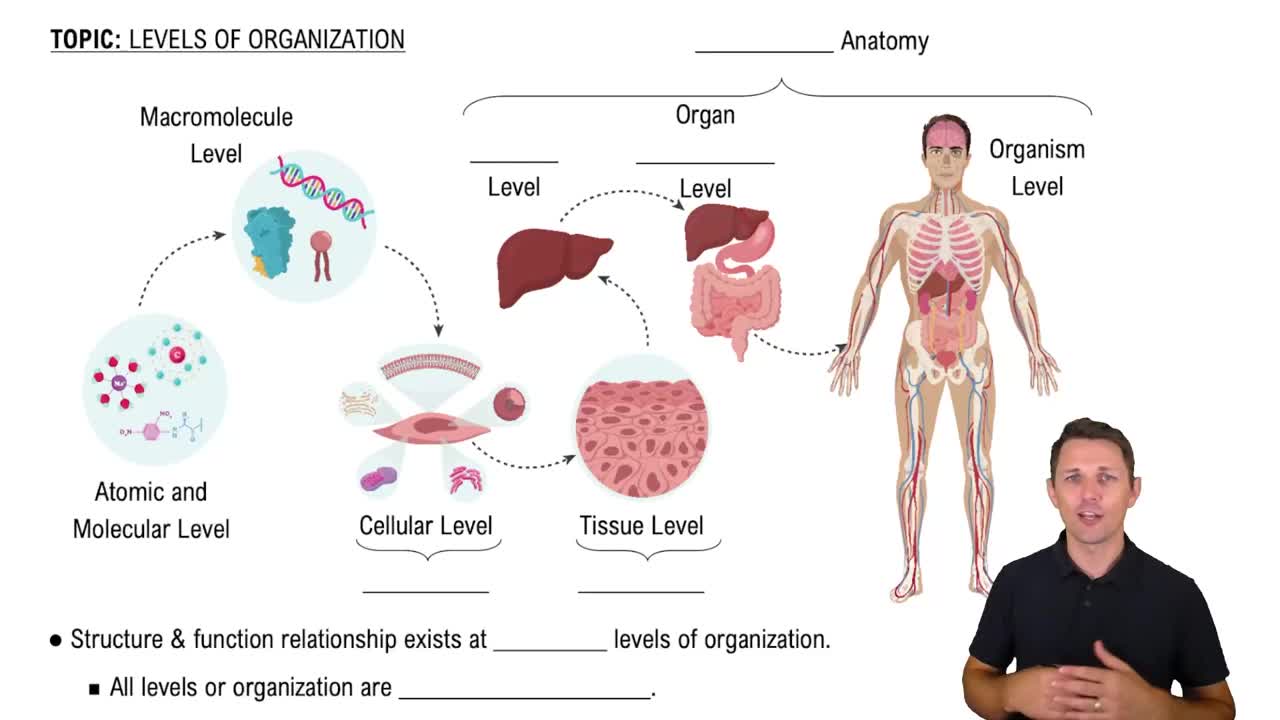
Anatomy is the study of the structures of the body, including what they are made of and where they are located.
Physiology is the study of the functions of anatomical structures and how individual and cooperative functions occur.
Atom, molecule, macromolecule, organelle, cell, tissue, organ, organ system, organism.
Skin, hair, sweat glands, and nails.
Protects against environmental hazards, helps regulate body temperature, and provides sensory information.
Bones, cartilages, associated ligaments, and bone marrow.
Provides support and protection for other tissues, stores calcium and other minerals, and forms blood cells.
Skeletal muscles and associated tendons.
Provides movement, protection and support for other tissues, and generates heat to maintain body temperature.
Brain, spinal cord, peripheral nerves, and sense organs.
Directs immediate responses to stimuli, coordinates activities of other organ systems, and provides sensory information about external conditions.
Pituitary gland, thyroid gland, pancreas, suprarenal glands, gonads (testes and ovaries), and endocrine tissues in other systems.
Directs long-term changes in activities of other organ systems, adjusts metabolic activity and energy use, and controls structural and functional changes during development.
Heart, blood, and blood vessels.
Distributes blood cells, water, and dissolved materials including nutrients, waste products, oxygen, and carbon dioxide; distributes heat and assists in temperature control.
Spleen, thymus, lymphatic vessels, lymph nodes, and tonsils.
Defends against infection and disease, and returns tissue fluids to the bloodstream.
Nasal cavities, sinuses, larynx, trachea, bronchi, lungs, and alveoli.
Delivers air to alveoli for gas exchange, provides oxygen to the bloodstream, removes carbon dioxide, and produces sounds for communication.
Teeth, tongue, pharynx, esophagus, stomach, small intestine, large intestine, liver, gallbladder, and pancreas.
Processes and digests food, absorbs and conserves water, absorbs nutrients, and stores energy reserves.
Kidneys, ureters, urinary bladder, and urethra.
Excretes waste products from the blood, controls water balance by regulating urine volume, stores urine prior to elimination, and regulates blood ion concentrations and pH.
Testes, epididymides, ductus deferens, seminal vesicles, prostate gland, penis, and scrotum.
Produces male sex cells (sperm), suspending fluids, hormones, and enables sexual intercourse.
Ovaries, uterine tubes, uterus, vagina, labia, clitoris, and mammary glands.
Produces female sex cells (oocytes) and hormones, supports embryo development, provides milk to nourish newborns, and enables sexual intercourse.
Homeostasis is the maintenance of a stable internal environment by all body systems working together.
Negative feedback reverses a change to return the body to its normal range, such as sweating to cool the body when too warm.
Positive feedback amplifies a change, moving the body away from homeostasis, such as during childbirth or blood clotting.