Skip to main content
Anatomy & Physiology
Il mio corso
Impara
Preparazione agli esami
AI Tutor
Guide di studio
Soluzioni per libri di testo
Flashcard
Esplora
Prova l'app
Il mio corso
Impara
Preparazione agli esami
AI Tutor
Guide di studio
Soluzioni per libri di testo
Flashcard
Esplora
Prova l'app
Indietro
Organs and Their Body Systems
Puoi toccare per girare la carta.
Heart
Puoi toccare per girare la carta.
👆
Heart
The heart is an organ in the
cardiovascular system
responsible for pumping blood throughout the body.
Avanzamenti del tracciato
I pulsanti di controllo sono stati cambiati in modalità "navigazione".
1/20
Video consigliati
VideoThumbView.guidedCourse
02:29
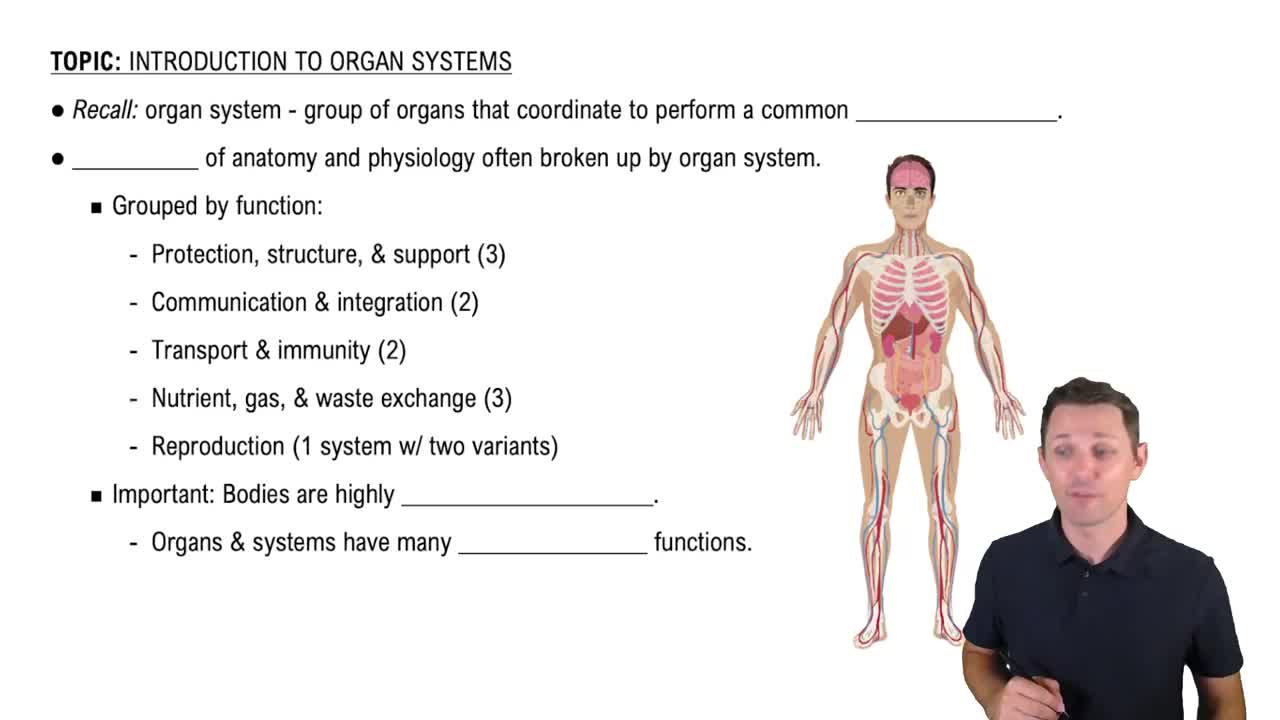
Introduction to Organ Systems
30146
views
762
rank
VideoThumbView.guidedCourse
02:18
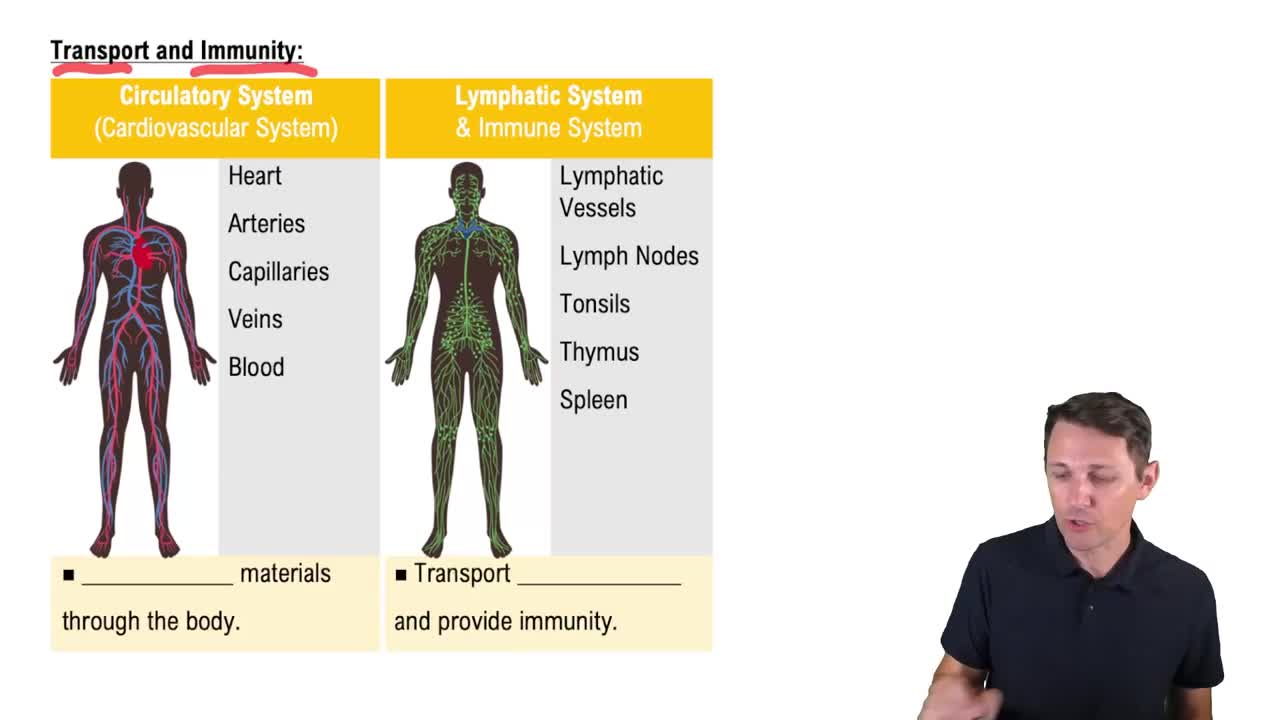
Transport and Immunity
17249
views
467
rank
1
comments
VideoThumbView.guidedCourse
02:12
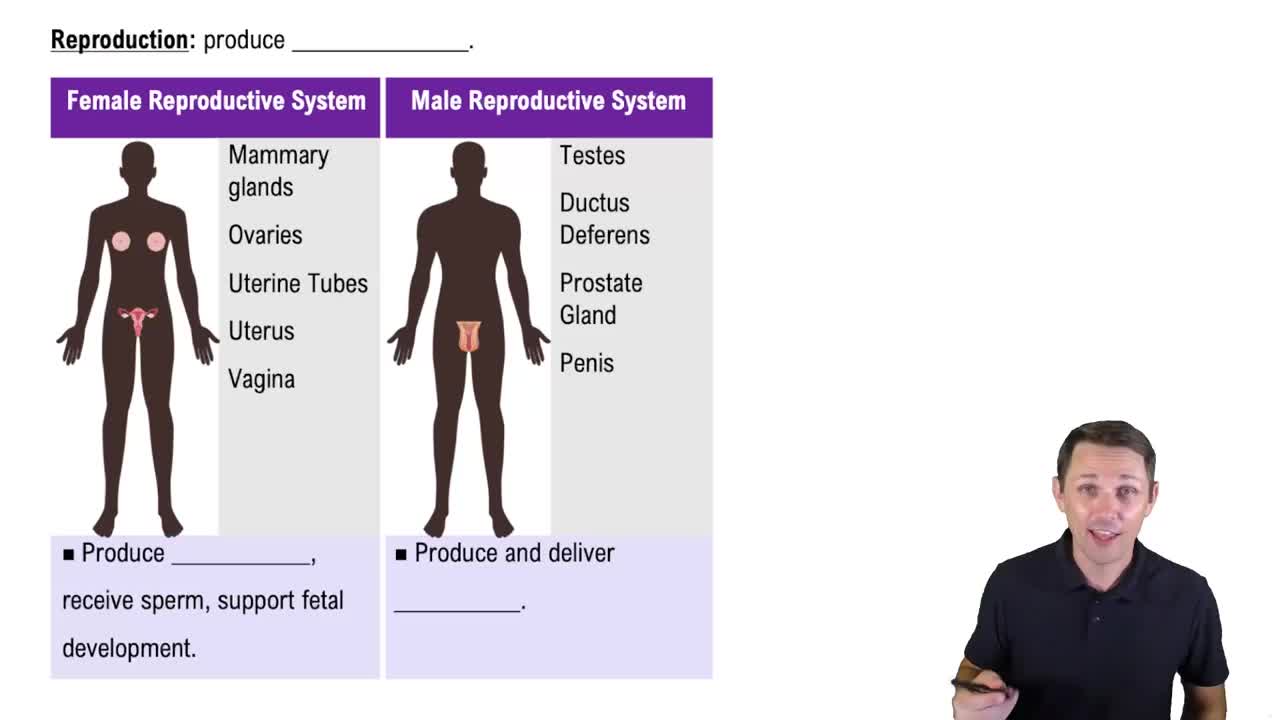
Reproduction
14450
views
386
rank
2
comments
Termini in questo insieme (20)
Nascondere definizioni
Heart
The heart is an organ in the
cardiovascular system
responsible for pumping blood throughout the body.
Lungs
Lungs belong to the
respiratory system
and are responsible for gas exchange, taking in oxygen and expelling carbon dioxide.
Kidneys
Kidneys are part of the
urinary system
and filter blood to produce urine, removing waste and balancing fluids.
Liver
The liver is an organ in the
digestive system
that processes nutrients, detoxifies chemicals, and produces bile.
Stomach
The stomach is part of the
digestive system
where food is mixed with acid and enzymes to begin digestion.
Brain
The brain is the control center of the
nervous system
, responsible for processing sensory information and coordinating responses.
Skin
Skin is the largest organ of the
integumentary system
, protecting the body and regulating temperature.
Small Intestine
The small intestine is part of the
digestive system
where most nutrient absorption occurs.
Pancreas
The pancreas belongs to the
digestive and endocrine systems
, producing digestive enzymes and hormones like insulin.
Spleen
The spleen is part of the
lymphatic system
, filtering blood and supporting immune function.
Bladder
The bladder is an organ in the
urinary system
that stores urine before excretion.
Bones
Bones are the main components of the
skeletal system
, providing structure, protection, and producing blood cells.
Muscles
Muscles belong to the
muscular system
and enable movement by contracting and relaxing.
Thyroid Gland
The thyroid gland is part of the
endocrine system
, regulating metabolism through hormone secretion.
Large Intestine
The large intestine is part of the
digestive system
responsible for water absorption and feces formation.
Adrenal Glands
Adrenal glands are part of the
endocrine system
, producing hormones like adrenaline and cortisol.
Eyes
Eyes are organs of the
sensory system
that detect light and enable vision.
Ears
Ears belong to the
sensory system
and are responsible for hearing and balance.
Esophagus
The esophagus is part of the
digestive system
, transporting food from the mouth to the stomach.
Lymph Nodes
Lymph nodes are part of the
lymphatic system
, filtering lymph and supporting immune defense.
 IndietroIndietro
 02:29